In recent developments concerning the conflict involving Iran, there is cautious optimism about a peaceful resolution. Former US President Donald Trump expressed confidence that the war could conclude ‘pretty soon,’ signaling a potential de-escalation in the region. Meanwhile, diplomatic efforts have made significant progress as the United States, Iran, and Oman are reportedly close to finalizing a temporary agreement to reopen the Strait of Hormuz, a critical maritime chokepoint for global oil shipments.
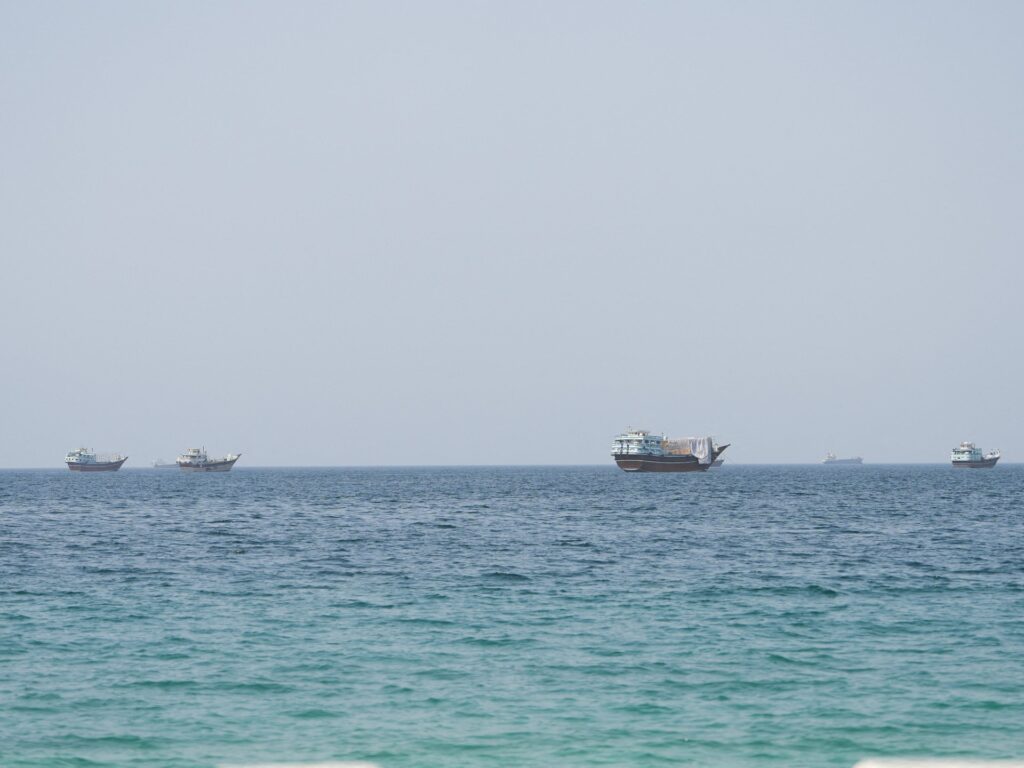
The Strait of Hormuz has been a flashpoint in the ongoing tensions between Iran and various global powers due to its strategic importance. It serves as the passage for nearly a fifth of the world’s petroleum, making its security vital for international energy markets. Recent disruptions had raised fears of prolonged conflict and economic instability.
The anticipated deal involves reopening the strait to international navigation under an agreed framework, which could ease anxieties surrounding maritime security and economic disruption. Oman has played a pivotal mediation role, leveraging its neutral stance and diplomatic ties with both Iran and Western countries to facilitate these talks.
This potential agreement comes after months of escalations, including military confrontations, economic sanctions, and hostile rhetoric. The reopening of the strait under an accord indicates a willingness from all parties to pursue dialogue and compromise, possibly setting the stage for broader negotiations on the conflict.
Trump’s remarks suggest a belief in the efficacy of these diplomatic efforts, highlighting the importance of continued negotiations and international cooperation. The prospect of a swift resolution is welcomed by global leaders, whose economies are affected by instability in the oil markets and broader regional security.
The situation remains fluid, with stakeholders closely monitoring developments. The success of the Hormuz deal could serve as a significant milestone in reducing tensions and establishing a more stable environment in the Persian Gulf region. However, skepticism persists due to the history of broken agreements and the complex geopolitical dynamics at play.
In conclusion, while challenges remain, the nearing agreement to reopen the Strait of Hormuz and Trump’s optimistic outlook signal a potential turning point in the Iran conflict. The international community hopes these steps lead to sustained peace and security, benefiting not only the involved nations but also the global economy.