The World Health Organization (WHO) has declared the ongoing Ebola outbreak in the Democratic Republic of Congo (DRC) as the fastest-growing and spreading at an unprecedented rate. Since its emergence, the epidemic has tragically claimed the lives of 1,751 individuals, marking it as one of the most severe health crises in recent memory in the region.
The WHO chief emphasized the urgency of the situation, highlighting that the rapid spread of Ebola poses a critical threat not only to the DRC but also to neighboring countries and the broader international community. This alarming growth rate signals the urgent need for intensified intervention and resource allocation.
Ebola, a severe viral hemorrhagic fever, is notorious for its high fatality rate and contagiousness. The virus is transmitted through direct contact with bodily fluids of infected persons or contaminated materials, making containment particularly challenging in densely populated and resource-limited settings.
The DRC has been battling multiple outbreaks of Ebola over the past few decades, but the current epidemic stands out due to its rapid progression and high mortality toll. Efforts to control the outbreak are complicated by several factors including ongoing conflict in certain regions, logistical obstacles, mistrust in some communities towards health workers, and the virus’s ability to spread quickly in urban centers.
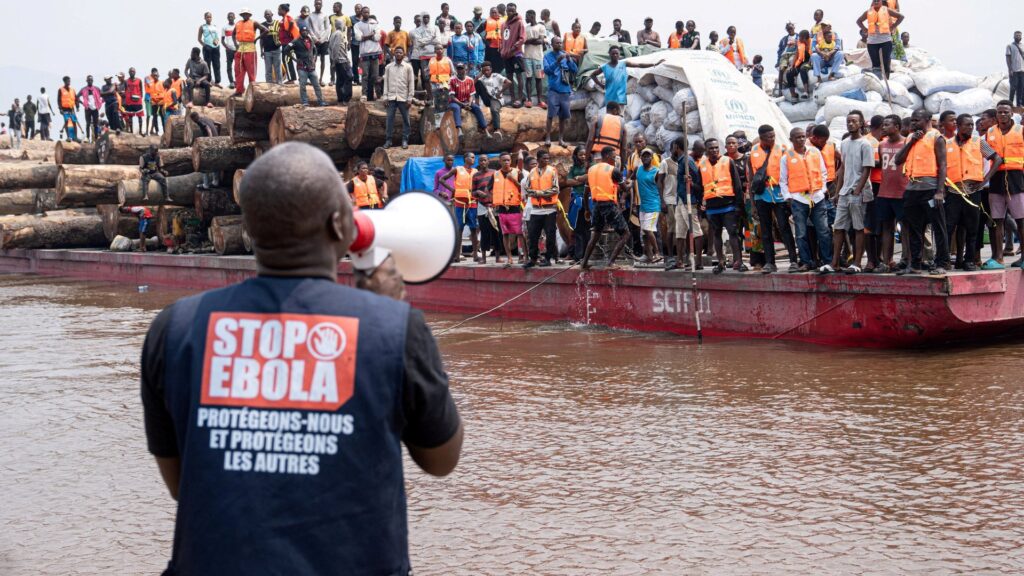
International health agencies, along with local governments, are ramping up efforts, deploying teams of medical professionals, distributing vaccines, and working to improve disease surveillance and public awareness campaigns. The WHO has mobilized emergency funds and called for global solidarity to support containment and treatment measures.
Community engagement remains a critical component in the fight against Ebola. Health officials are stressing the importance of education to dispel myths, promote safe burials, and encourage early reporting of symptoms to health facilities. The deployment of effective vaccines and treatments offers hope but requires comprehensive strategies to reach every affected population.
The economic and social impacts of the outbreak are also severe. The epidemic disrupts daily life, healthcare services for other diseases, and trade, further exacerbating hardship for communities already facing significant challenges.
Medical experts warn that if the outbreak is not contained swiftly, the death toll could rise, and the virus could spread beyond the current hotspots. Therefore, sustained international attention and support are vital to control this grave public health emergency.
In summary, the WHO chief’s warning about the unprecedented rate of Ebola’s spread in DRC underscores a critical crossroads in global health security. Immediate and coordinated action is required to save lives and prevent further escalation of this deadly outbreak.