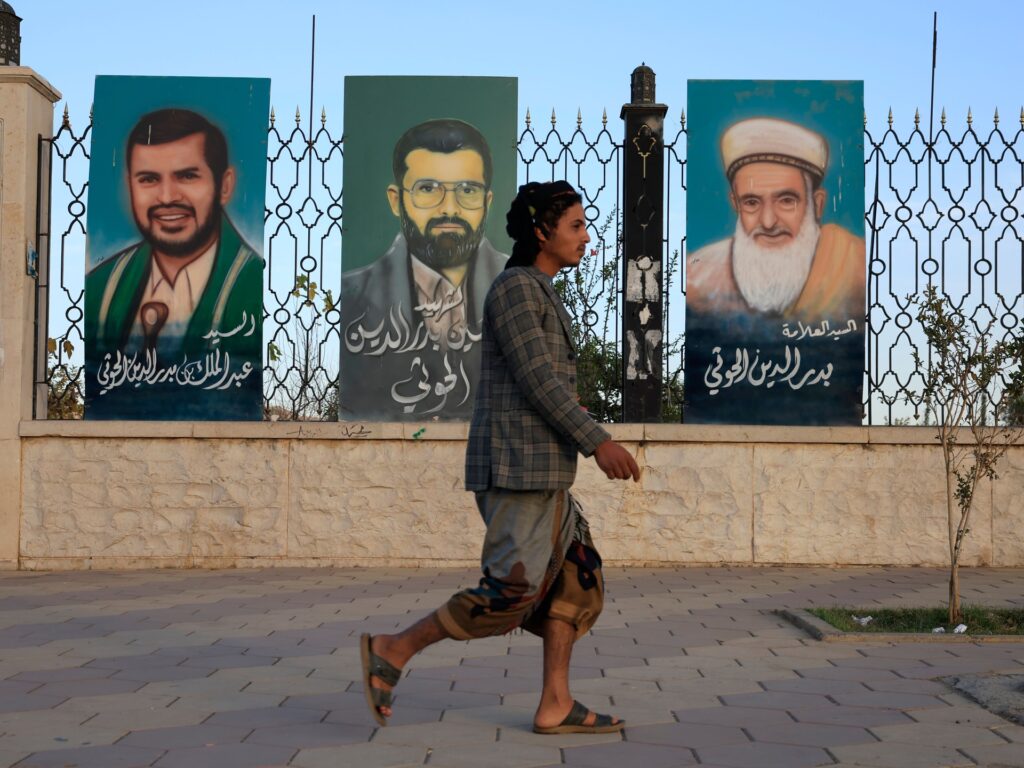
In a significant escalation in Yemen’s ongoing conflict, Houthi forces have reportedly launched deadly attacks on Yemeni government troops, resulting in at least 30 fatalities. These attacks mark some of the deadliest confrontations in recent years between the Houthi rebels and government forces.
The conflict in Yemen, which has drawn international concern due to its humanitarian consequences and geopolitical implications, saw a sharp intensification with the Houthi offensive targeting government positions across several fronts. Casualty figures from the attacks have confirmed that at least 30 soldiers fighting for the Yemeni government have been killed, underscoring the brutality of the fighting.
The Houthi movement, also known as Ansar Allah, controls large parts of northern Yemen, including the capital, Sanaa. Their continuing clashes with government forces loyal to the internationally recognized president have created a prolonged and complex war involving regional powers.
This recent surge in violence could potentially destabilize already fragile peace efforts. Negotiations and peace talks have been intermittently attempted but have yet to yield a lasting solution, partly due to the deep-seated political and sectarian divisions.
The international community has repeatedly called for ceasefires and humanitarian access to those affected by the war. However, this latest violence highlights the challenges of achieving a ceasefire on the ground.
Human rights organizations have expressed concern over the escalating casualties and the impact on civilian populations, many of whom are caught in the crossfire or suffer from secondary crises such as displacement and lack of access to medical care.
The Yemeni government has condemned the attacks and vowed to respond with military force to regain control and security in the affected regions. Meanwhile, the Houthis maintain that their actions are defensive, asserting their need to protect their constituency from government aggression.
Analysts view this recent escalation as part of a wider struggle for power and influence within Yemen, with significant implications for regional stability. The involvement of external actors in the conflict adds layers of complexity, influencing the dynamics between the warring factions.
As the conflict continues, the humanitarian situation in Yemen remains dire, with millions dependent on aid and vulnerable to food shortages and disease outbreaks. The deadliest attacks in years serve as a grim reminder of the ongoing strife that impedes peace and development in the country.
Efforts towards a comprehensive political solution require renewed commitment from all parties involved, supported by sustained international engagement. The ultimate goal is to halt the violence, address the root causes of the conflict, and foster a stable and peaceful Yemen.
In the meantime, global observers warn of a potential escalation in the conflict if decisive actions are not taken to restore dialogue and de-escalate military confrontations.
The tragic loss of life in these attacks underscores the urgent need for peaceful resolution and humanitarian support to alleviate the suffering of the Yemeni people, who have endured years of conflict with profound consequences for their future.