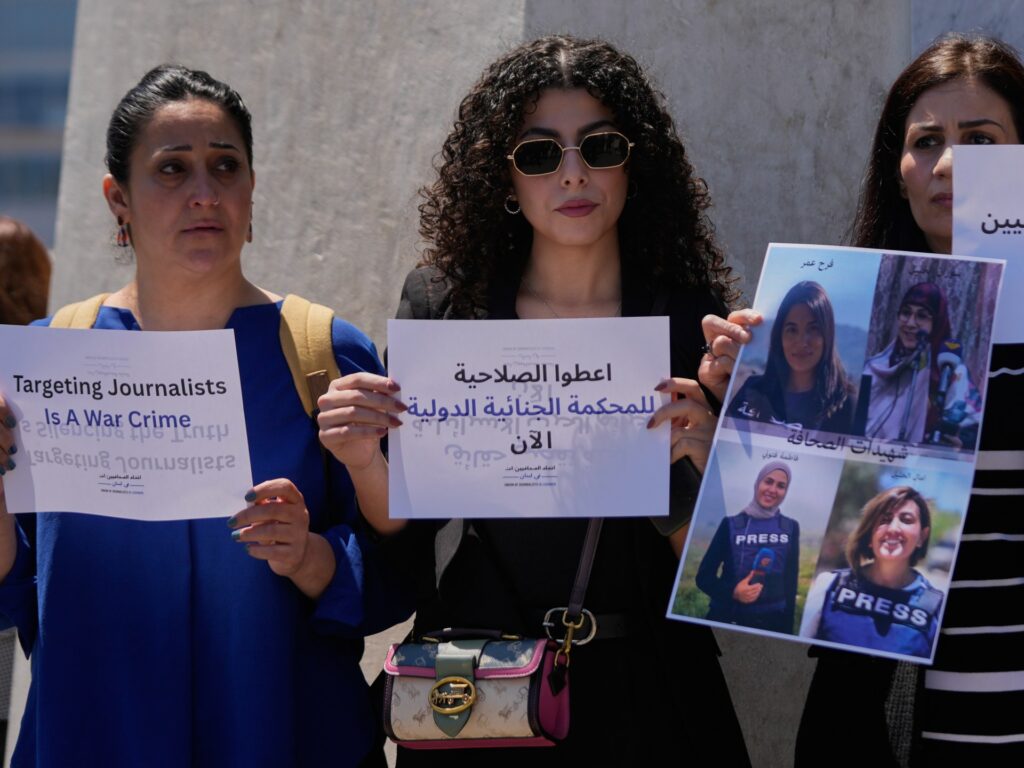
Human Rights Watch and Amnesty International have publicly condemned Israel for the killing of Lebanese journalist Amal Khalil, describing the incident as a potential war crime. According to reports, Khalil was targeted and killed by Israeli forces, with allegations that rescuers attempting to save her were also obstructed. The incident has ignited a strong outcry from major human rights organizations, which accuse Israel of deliberately targeting journalists, an act which violates international humanitarian laws protecting members of the press during armed conflicts.
Amal Khalil, a journalist known for her reporting on conflicts in the region, was killed amid escalating tensions and violence. Witnesses and rights groups say that the circumstances of her death suggest a direct targeting rather than incidental collateral damage. The prevention of rescue efforts further exacerbates the severity of the accusations, pointing toward a deliberate attempt to prevent aid.
Human Rights Watch emphasized that international law clearly protects journalists in conflict zones and that attacking them amounts to a grave violation of the laws of war. Amnesty International echoed these sentiments, urging an independent and thorough investigation into the killing to hold those responsible accountable.
The incident has raised broader concerns about the safety of journalists covering conflicts, particularly in highly volatile areas like Lebanon and Israel. Journalists play a critical role in documenting wars and informing the public, and their protection is essential to preserving freedom of the press and human rights.
Both organizations called on Israel to respect international norms and ensure the safety of non-combatants, including journalists. They stressed that failure to do so not only endangers lives but also undermines the rule of law and global human rights standards.
The killing of Amal Khalil has sparked international condemnation and renewed calls for protection mechanisms for journalists in conflict zones. Advocacy groups are rallying for stronger international actions to prevent such incidents and to promote accountability.
In conclusion, the calls from Human Rights Watch and Amnesty International spotlight the dangers faced by journalists like Amal Khalil in conflict areas and underline the imperative that states uphold international humanitarian laws to avoid unnecessary killings and obstruction of rescue operations. The global community watches closely as investigations unfold, demanding justice and protection for those risking their lives to report from the front lines.