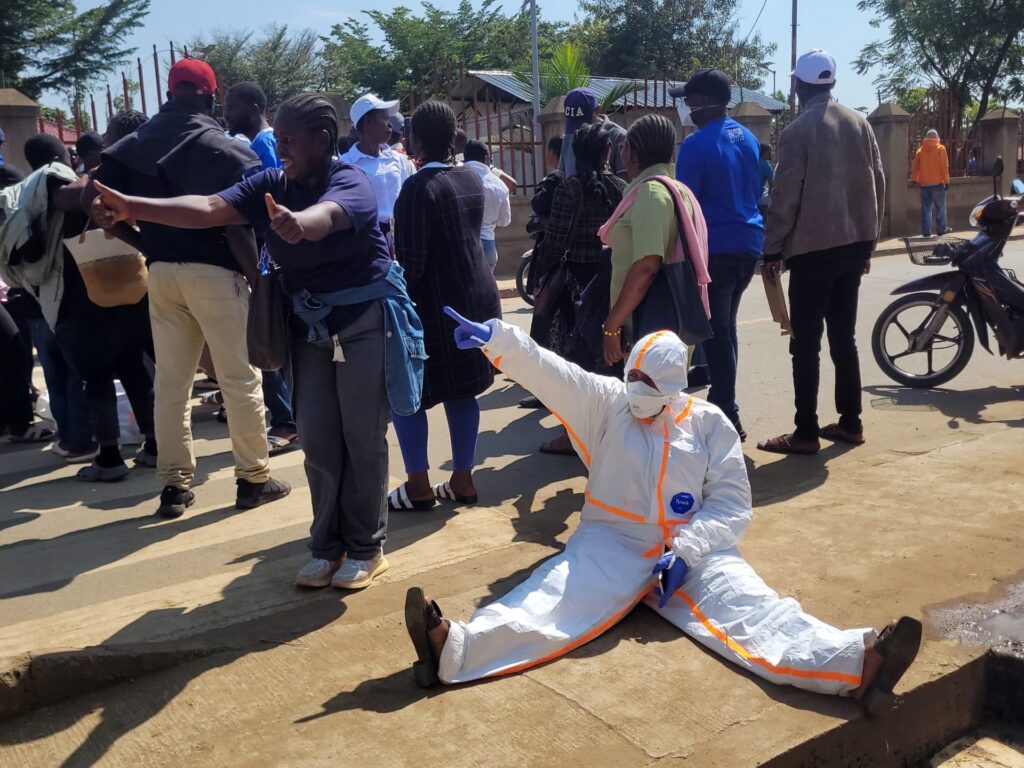
Health workers in the Democratic Republic of Congo (DR Congo) have launched protests over unpaid wages amid a devastating Ebola outbreak that has claimed more than 1,800 lives. Aid workers have raised alarms about the rapid and uncontrolled spread of the Ebola virus, warning that it is advancing at an ‘alarming and unprecedented rate,’ including reaching remote and previously unaffected areas.
The ongoing health crisis in DR Congo has placed immense strain on the country’s medical infrastructure and personnel. Those on the front lines—health workers and aid organizations—have been striving tirelessly to contain the outbreak, provide medical care, and educate communities. However, unpaid wages are causing significant disruptions, threatening to undermine efforts to control the deadly virus.
Ebola, a severe and often fatal illness, first emerged in the region years ago but has seen a resurgence with this latest outbreak. The virus spreads through direct contact with bodily fluids of an infected person or through contaminated surfaces. Protective measures and rapid response teams are crucial in preventing further transmission, but these efforts have been complicated by financial and logistical challenges.
Protesters representing health workers stress that their demands for timely and fair payment are critical not only for their well-being but also to ensure sustained operations in combating the epidemic. Many workers have expressed frustration with the lack of support and the dangerous conditions under which they are operating.
The spread of Ebola into remote communities poses additional challenges. These areas often lack adequate healthcare facilities, have limited accessibility, and struggle with misinformation or fear that hinder containment strategies. The involvement of local leaders and tailored health communication campaigns has become increasingly necessary to reach these populations effectively.
The international community has been called upon to provide more robust funding and logistical aid to support DR Congo’s response to this health emergency. Coordination between government agencies, global health organizations, and local entities is imperative for creating a stable environment where medical interventions can succeed.
As the Ebola outbreak persists, the combination of health worker strikes and the rapid spread of the virus underscores the complexity of managing such epidemics in resource-constrained settings. The urgent resolution of labor disputes and the provision of sufficient resources will be key to stemming the tide of infections and saving lives.
In conclusion, the escalating Ebola crisis in DR Congo highlights the intersection of health, economic, and social issues in epidemic management. Ensuring the welfare of frontline health workers is as vital as the medical response itself. Addressing unpaid wages and reinforcing support structures will improve morale and efficacy, paving the way for more effective containment and mitigation of this deadly outbreak.