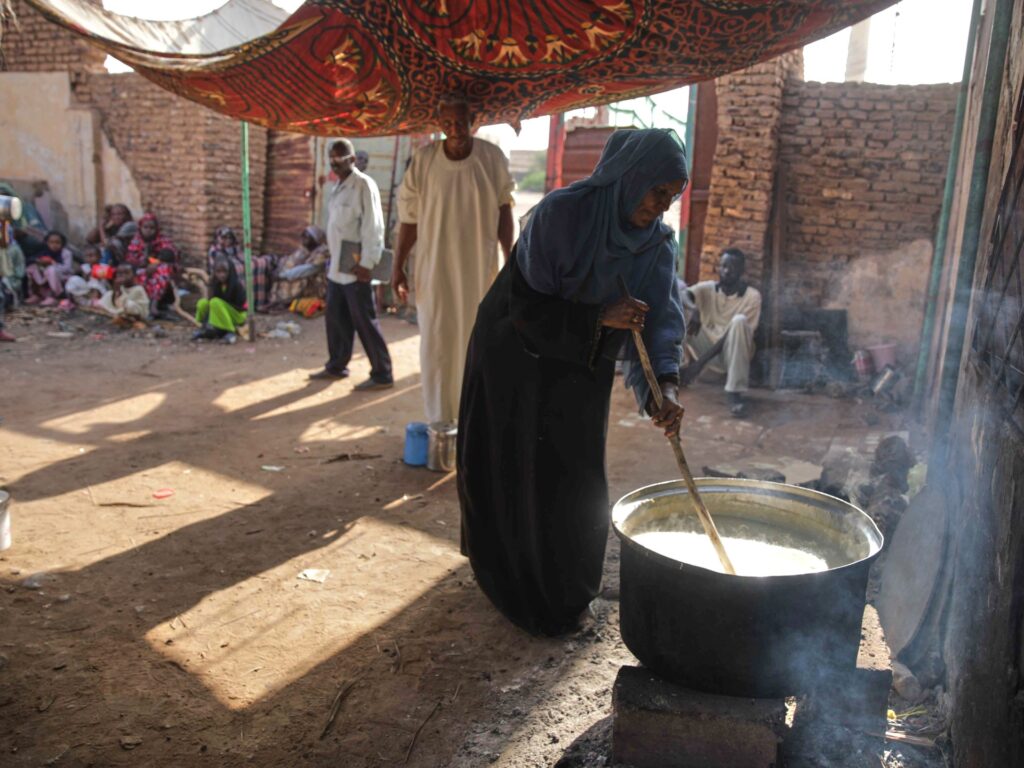
Sudan is facing an escalating humanitarian crisis as conflict and drought combine to increase the risk of famine in the country. The nation has been embroiled in a devastating three-year long war that has already displaced millions and disrupted essential services. Now, an El Niño-induced drought is exacerbating the situation, affecting approximately half of Sudan’s territory.
The drought, triggered by El Niño weather patterns, has led to severe water shortages and crop failures in many regions, further straining an already fragile food supply. Farmers are struggling to produce enough harvests to feed their families and communities, with agricultural output significantly diminished.
This environmental challenge is compounding the effects of the conflict, which has caused widespread destruction to infrastructure, restricted access to aid, and hampered economic activity. Many areas are difficult to reach due to ongoing violence, making it challenging for humanitarian organizations to deliver much-needed food and medical assistance.
With the combined pressures of war and drought, food insecurity is reaching critical levels. Analysts warn that without immediate and large-scale intervention, famine could become widespread, particularly in regions hit hardest by both the conflict and environmental crisis.
International monitors have called attention to the dire situation, urging global stakeholders to increase humanitarian aid and diplomatic efforts to bring peace to the country. The prolonged instability alongside climate-induced challenges underscores the complex vulnerabilities Sudan faces.
Despite the hurdles, some local communities are working to implement innovative water conservation techniques and drought-resistant crops, but these efforts need scaling to make a significant impact.
The international community is also urged to address the root causes by supporting conflict resolution and sustainable development programs, aiming to build resilience against future climate shocks and instability.
As the crisis unfolds, the people of Sudan remain caught in a precarious situation where natural disasters and human conflicts intersect, threatening their survival and the future stability of the region.