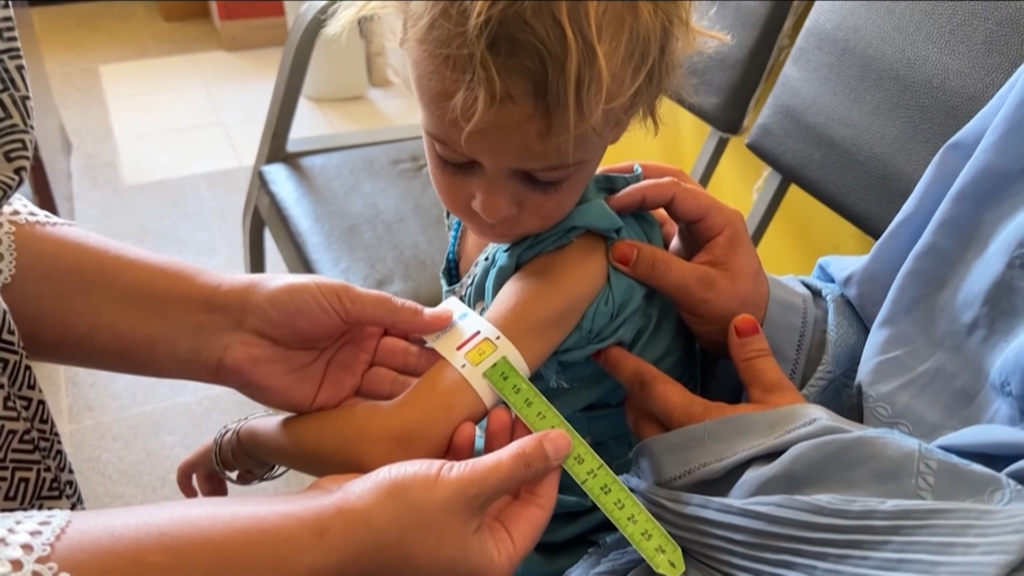
Child wasting, recognized as the deadliest form of malnutrition, has alarmingly reached critical levels in one-third of Afghanistan’s provinces, signaling a grave humanitarian crisis. This condition, characterized by rapid weight loss and severe thinness due to insufficient nutrition, significantly increases the risk of child mortality and long-term health complications.
The unprecedented rise in child wasting underscores the dire food insecurity and healthcare access challenges faced by communities across Afghanistan. Contributing factors include ongoing conflict, economic instability, drought, and disrupted food supply chains, all of which have exacerbated malnutrition rates among the most vulnerable populations.
Health experts emphasize that wasting is highly dangerous because it weakens the immune system, making affected children more susceptible to infections and disease. Without immediate intervention, this condition can lead to irreversible damage or death.
Humanitarian organizations are calling for urgent international aid to provide nutritional support, medical care, and sustainable food security programs. Efforts to combat malnutrition must focus on comprehensive strategies incorporating emergency food distribution, healthcare services, clean water access, and education for caregivers on child nutrition.
The situation in Afghanistan is dire, with many families struggling to meet basic needs amid a fragile socio-political environment. The escalation of child wasting highlights the critical need for coordinated global action to prevent further loss of young lives and ensure a healthier future for Afghan children.
As the crisis unfolds, monitoring and reporting systems are vital to track the progress of aid programs and the health status of children. Strengthening healthcare infrastructure and community resilience will be key to addressing the root causes of malnutrition and building long-term capacity to withstand future shocks.
In conclusion, the critical levels of child wasting in Afghanistan represent one of the most urgent public health emergencies in recent history. Immediate response and sustained commitment from national authorities, international donors, and humanitarian organizations are essential to save lives and improve the well-being of Afghanistan’s children.