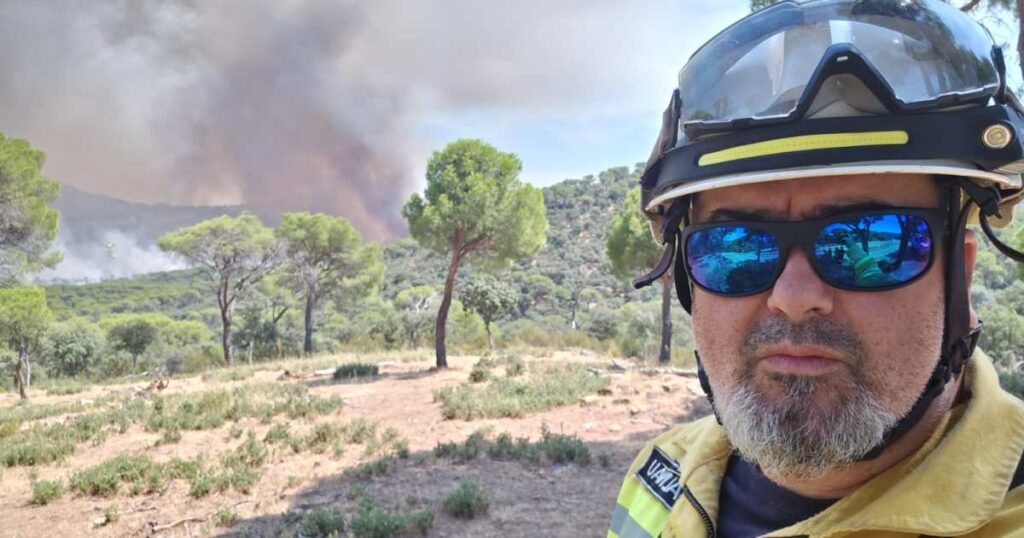
Spain is currently grappling with the aftermath of devastating forest fires that have tragically claimed the lives of more than a dozen people. As the nation mourns these losses, concerns are mounting over the increasing frequency and intensity of heatwaves, which are significantly heightening the risk of further wildfires across the region.
The recent heatwaves have created dangerously dry conditions in forests and rural areas, making them highly susceptible to ignition and rapid fire spread. This seasonal phenomenon, coupled with climate change’s long-term effects, is challenging Spain’s ability to manage and prevent wildfires effectively.
Residents in affected areas have expressed growing anxiety about the potential for new fires, especially as temperatures continue to soar. Many communities remain on high alert, with local authorities implementing stringent fire prevention measures, including bans on outdoor fires and heightened surveillance in vulnerable zones.
Experts warn that these heatwaves are part of a troubling pattern linked to global warming, which is expected to increase the duration and severity of dry spells in Spain. This not only raises the likelihood of wildfires but also complicates firefighting efforts due to extreme weather conditions like strong winds and intense heat.
In response, emergency services and government agencies are ramping up their preparedness. Investments are being directed toward advanced firefighting equipment, improved early-warning systems, and public awareness campaigns aimed at educating citizens on fire safety and prevention.
Additionally, environmental authorities are exploring reforestation projects and landscape management strategies designed to reduce fuel loads in forests and promote ecosystem resilience. These efforts are considered crucial to mitigating the damage caused by wildfires and preserving biodiversity.
Despite these initiatives, the challenge remains formidable. The combination of climatic shifts and human activities, such as land use changes and negligence, continues to amplify wildfire risks. Experts emphasize the importance of coordinated national and regional policies that integrate climate adaptation and disaster risk reduction to address these complex issues effectively.
As Spain works to recover from its latest tragedies, the collective focus is on implementing comprehensive strategies that can prevent a repeat of such catastrophic events. The hope is that through collaboration, innovation, and sustained commitment, the country can safeguard its landscapes, communities, and natural heritage from the growing threat of wildfires exacerbated by recurrent heatwaves.