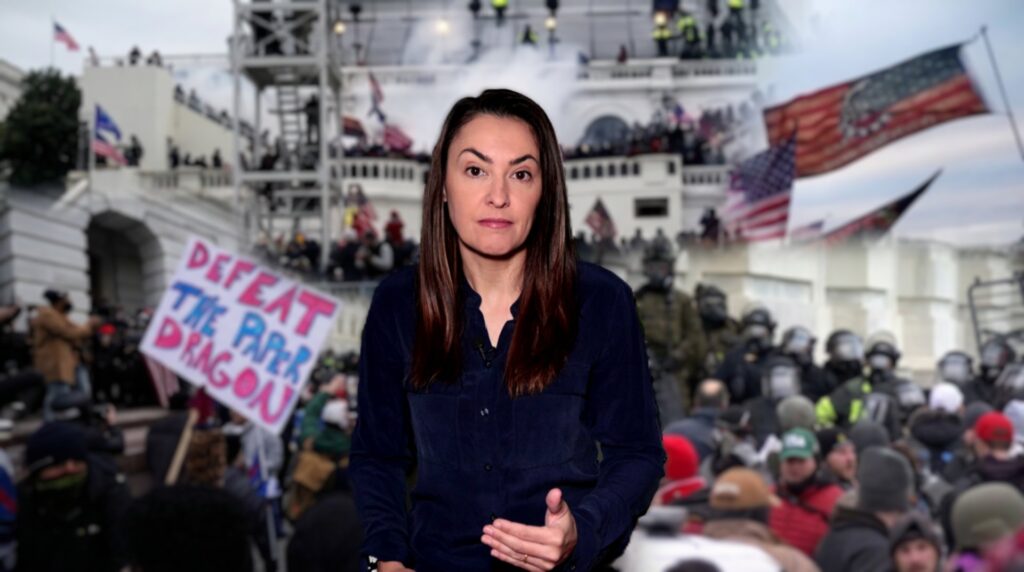
In a significant development concerning the legal aftermath of the January 6 insurrection at the United States Capitol, a US court has recently dismissed the remaining prosecution cases tied to the event. This judicial decision marks a critical turning point in the ongoing legal proceedings stemming from that day of unprecedented turmoil.
The court’s dismissal was described as begrudging, indicating that the judge expressed reservations or reluctance in reaching this verdict. The rationale behind this dismissal reportedly revolves around challenges related to evidentiary and procedural issues, which have complicated the prosecution’s efforts to secure convictions.
The January 6 insurrection, which saw a violent mob storming the Capitol building in an attempt to overturn the 2020 presidential election results, led to a sweeping federal investigation and numerous arrests. Over 1,000 individuals have faced charges ranging from trespassing to assaulting law enforcement officers and conspiracy.
The recent court ruling effectively ends the government’s legal efforts against the last of these defendants, some of whom were accused of more serious offenses connected to the insurrection. This has sparked a wave of reactions from various quarters, including legal experts, politicians, and the public.
Critics of the dismissal argue that it may embolden future attempts to disrupt democratic processes, suggesting that the lack of sustained legal consequences weakens deterrence against similar acts of political violence. They express concern that this judicial outcome could set a precedent that undermines accountability for attacks on democratic institutions.
Supporters of the court’s decision emphasize the importance of upholding legal standards and protections, cautioning against prosecutorial overreach and the need for cases to meet stringent proof requirements. They underscore that dismissing cases on valid legal grounds is crucial to maintaining the integrity of the judicial system.
The judge’s decision also raises questions about the broader strategy adopted by federal prosecutors in handling high-profile political cases. Legal analysts are examining whether alternative approaches could have yielded different outcomes or if systemic issues within the justice system contributed to these results.
As the dust settles on these final dismissals, lawmakers are renewing calls to address gaps in legislation and law enforcement preparedness to prevent and respond to future insurrectionist threats. Debates continue over how best to balance national security, civil liberties, and the rule of law.
This development underscores the enduring complexities and contentious issues surrounding January 6 and its aftermath. While the prosecutions have come to a close in court, the political, social, and legal debates sparked by the Capitol siege remain very much alive.
Experts suggest that this ruling will be studied closely as a reference point in discussions about domestic terrorism, political violence, and the protection of democratic governance in the United States. The case serves as a reminder of the ongoing challenges faced by the judicial system in addressing acts that strike at the core of American democracy.