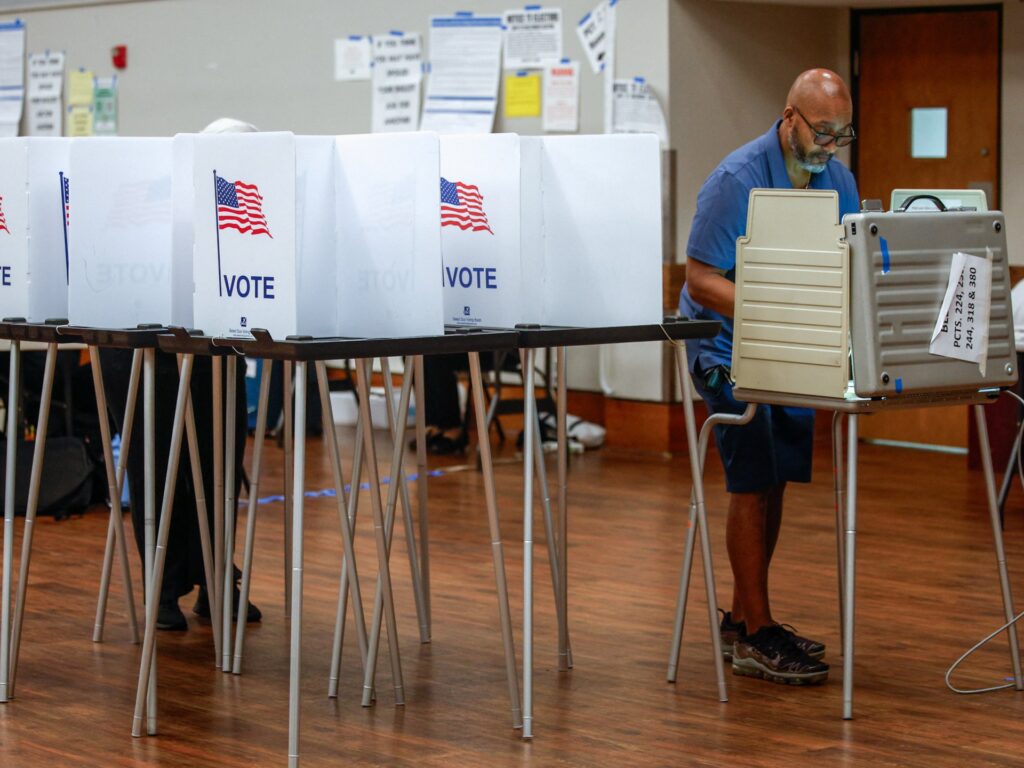
The U.S. Department of Justice (DOJ) has initiated a deployment of monitors to polling locations across Michigan, a move that has sparked significant discussion and concern among lawmakers. This action comes as part of the DOJ’s ongoing efforts to oversee election activities and ensure compliance with federal laws, especially in a state that plays a pivotal role in national elections.
The introduction of Justice Department monitors at polling sites is not without precedent. Historically, the FBI and DOJ have conducted monitoring operations to safeguard electoral integrity and prevent voter intimidation or fraud. However, the recent deployment coincides with an increasingly polarized political climate fueled by former President Donald Trump’s prolonged and unsubstantiated claims of widespread election fraud.
Michigan, a battleground state, has found itself at the center of national attention during elections. Lawmakers from various political affiliations have expressed alarm at the timing and nature of this DOJ action. Republican officials argue that the monitoring could be politically motivated, potentially influencing the voting process or intimidating voters who may lean towards conservative candidates. On the other side, Democratic lawmakers emphasize the importance of federal oversight to protect voters and maintain trust in the electoral system.
This development unfolds against the backdrop of President Trump’s persistent assertions that the 2020 presidential election was compromised by fraud. These claims have prompted increased scrutiny and surveillance activities at polling stations, but without verified evidence, they have also intensified partisan divisions.
Civil rights groups and election experts have weighed in, generally supporting the DOJ’s legal authority to monitor elections but warning that such actions must remain neutral and transparent to maintain public confidence. They highlight the delicate balance between preventing unlawful election activities and respecting citizens’ right to vote without fear or intimidation.
In response to the DOJ’s monitors, some Michigan lawmakers have called for congressional hearings and investigations, seeking to clarify the scope, objectives, and guidelines governing federal election monitoring efforts. They urge the DOJ to provide assurances that monitors will act impartially and refrain from interfering with local election administration.
The FBI and DOJ maintain that election monitoring is a routine practice, aimed solely at protecting the democratic process. This includes ensuring compliance with voter rights laws such as the Voting Rights Act and preventing election-related crimes. Nonetheless, the charged political environment means that such actions are inevitably viewed through a partisan lens.
As Michigan prepares for upcoming elections, the presence of federal monitors at polling sites will continue to be a focal point of debate. Observers will closely watch how these monitors operate and how their presence affects voter turnout and confidence.
In conclusion, while DOJ monitoring of elections is a longstanding practice intended to uphold election integrity, the current political tensions and accusations of bias underscore the complexities of election oversight in a deeply divided nation. Ensuring transparency, fairness, and impartiality in these efforts will be crucial to sustaining confidence in the democratic process and the legitimacy of election outcomes.