As Israel approaches a critical election period, analysts have observed a significant surge in the activities of the settlement movement in the West Bank. This intensified push appears to be driven by political pressures facing Israeli leaders, who are looking to solidify control over contested territories ahead of the elections.
The West Bank, a focal point of longstanding Israeli-Palestinian conflict, has witnessed an alarming increase in settlement expansion efforts. This trend aligns with a strategic bid by pro-settlement factions to entrench their presence and reinforce Israel’s chokehold on the region.
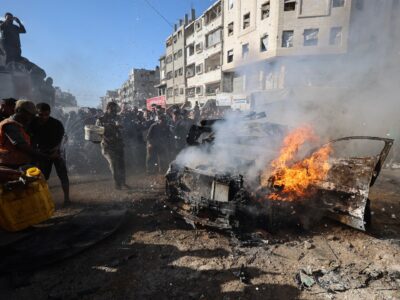
Experts note that the uptick in settlement construction and related activities coincides with escalating violence in the West Bank. The surge in confrontations between Israeli settlers, Palestinian residents, and Israeli security forces has heightened tensions, threatening to destabilize the fragile status quo.
Reports indicate that settlement leaders are intensifying lobbying efforts to influence government policy, leveraging election dynamics to push for accelerated development and legal backing for new outposts. This move aims to create irreversible facts on the ground that could influence future territorial negotiations.
The international community has expressed concern over these developments, warning that the expansion of settlements undermines prospects for peace and violates international law. However, this caution has done little to deter the settlement movement’s momentum.
Political analysts explain that incumbent parties view the settlement agenda as a means to galvanize their electoral base by appealing to nationalist sentiments. In this context, settlement expansion becomes a politically charged issue, deeply entwined with Israel’s internal electoral calculations.
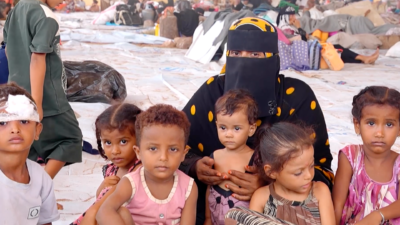
Meanwhile, Palestinian communities in the West Bank face increasing challenges, including displacement risks and restricted access to resources, exacerbated by the growing settlement footprint. The violence accompanying these dynamics has resulted in casualties and a deteriorating humanitarian situation.
Human rights organizations have condemned the escalation, calling for international interventions to halt settlement expansion and promote dialogue. Yet, on the ground, settlers continue to reinforce their positions, sometimes with the protection or tacit approval of Israeli authorities.
The interplay between election pressures and settlement activities underscores the complexity of the Israeli-Palestinian conflict and the fragile nature of peace efforts in the region. As elections draw near, the likelihood of further settlement entrenchment appears high, potentially complicating any future efforts toward conflict resolution.
In summary, the current Israeli electoral climate is intensifying settlement movement activities in the West Bank, contributing to increased violence and tensions. The political stakes involved suggest that this trend may persist, presenting substantial challenges for peace and stability in the region.