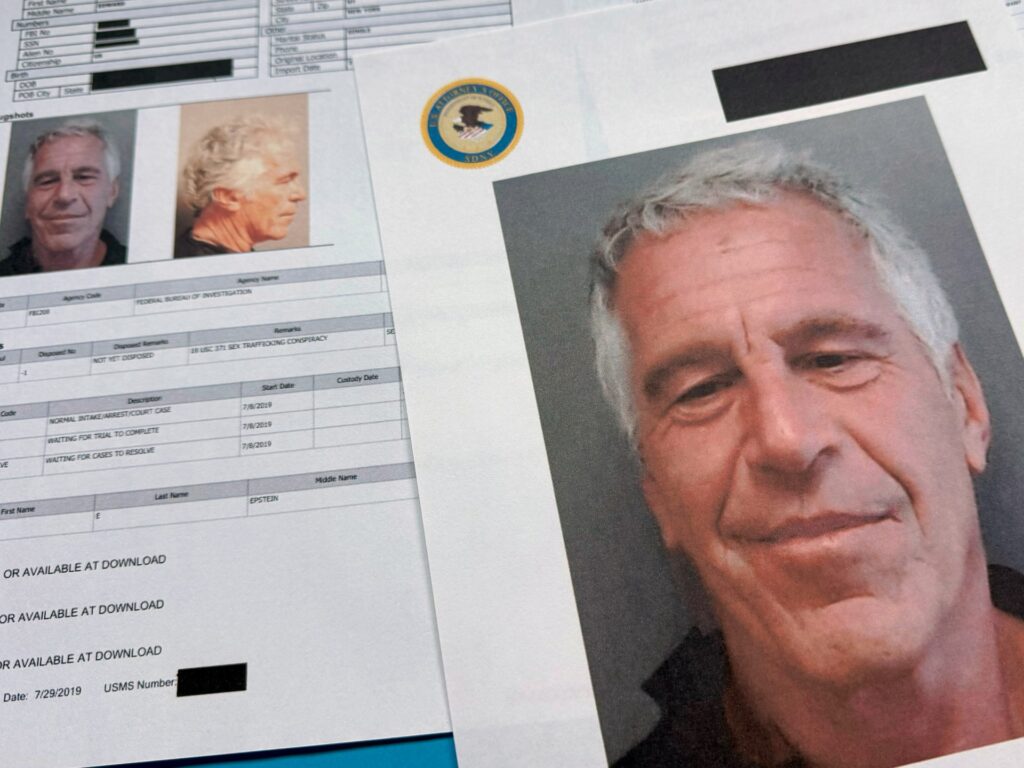
A recent report released by Senate Democrats has sharply criticized several major banks for allegedly “looking the other way” in their handling of financial transactions linked to Jeffrey Epstein, the convicted sex offender. The report accuses these financial institutions of failing to fulfill their legal obligations to identify and report suspicious activities connected to Epstein’s operations.
Jeffrey Epstein, who was arrested in 2019 on charges related to sex trafficking of minors, had long been under scrutiny for his financial dealings. The Senate report highlights how major banks may have ignored red flags and warning signs that should have triggered investigations, thereby allowing Epstein’s illicit activities to continue without substantial financial roadblocks.
The report draws attention to specific banks that appeared to overlook standard anti-money laundering (AML) protocols and failed to file necessary Suspicious Activity Reports (SARs) as mandated by law. The Senate Democrats emphasize that such negligence potentially facilitated ongoing transactions tied to Epstein’s exploitation rings.
Key points outlined in the report include:
1. Several banks handled large sums of money linked to Epstein without adequately scrutinizing the origin or purpose of these funds.
2. Internal controls and due diligence mechanisms were either insufficient or deliberately bypassed.
3. Compliance officers at these institutions did not escalate concerns or ensure that regulators were properly informed.
This alleged institutional inaction raises serious questions about the effectiveness of existing financial oversight designed to prevent the abuse of banking systems for criminal purposes. The report calls for a thorough, independent federal investigation to hold accountable those institutions and individuals responsible for these lapses.
Additionally, the report urges lawmakers to strengthen AML regulations and enhance enforcement to prevent similar failures in the future. It stresses the need for banks to implement more rigorous monitoring and reporting systems, ensuring that suspicious activities related to criminal enterprises cannot evade detection.
Banking industry representatives have yet to officially respond to the Senate report. However, the findings have intensified public discourse about the moral and legal responsibilities of financial institutions in combating criminal exploitation.
This development marks a significant moment in the ongoing scrutiny of Epstein’s network and the financial enablers who may have contributed to its persistence. The Senate Democrats’ report stands as a call to action to close regulatory gaps and ensure the banking sector does not become complicit in facilitating criminal behavior.
With the call for a probe gaining traction, the coming months may see increased pressure on regulators and financial institutions alike to bolster safeguards and transparency. The broader implications extend beyond the Epstein case, spotlighting systemic vulnerabilities within the global financial system that criminal actors can exploit.
In conclusion, the Senate Democrats’ report underscores the critical need for vigilance, accountability, and reform in the financial sector to prevent any recurrence of such oversights. It serves as a stark reminder that legal compliance is not merely a procedural formality but a crucial defense against unethical and illegal practices that harm society at large.