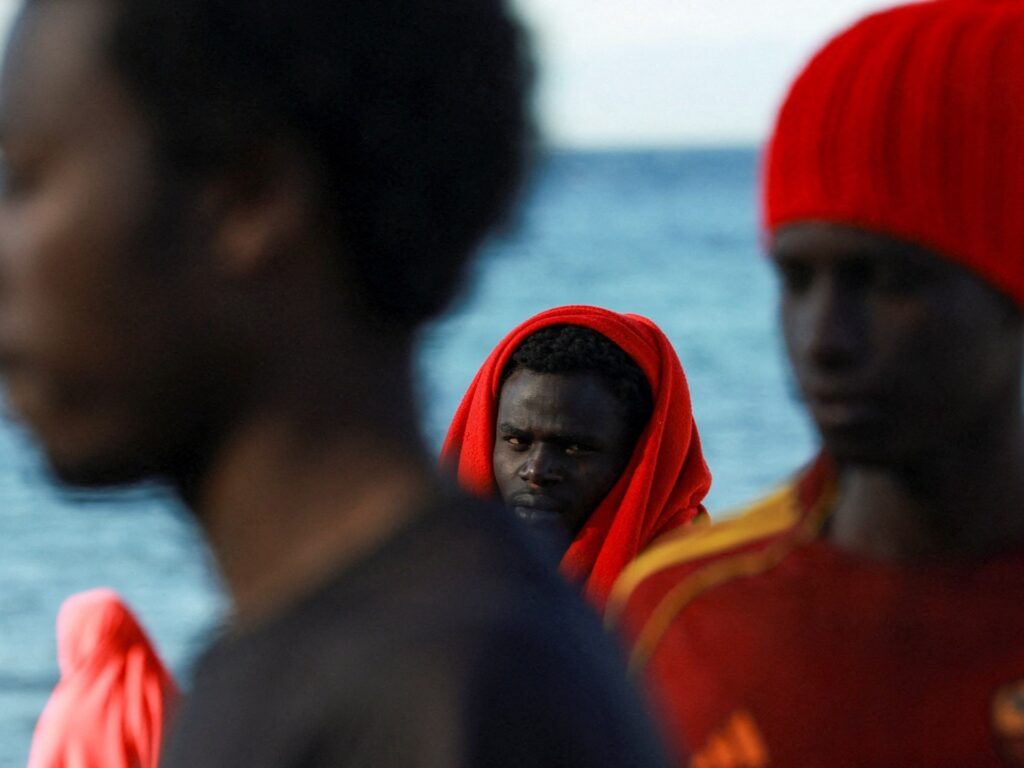
In the Spanish enclave of Ceuta, a significant number of migrants from countries such as Sudan, Somalia, and Mali find themselves stranded, holding onto hopes for a better future despite facing immense uncertainty. Ceuta, located on the northern coast of Africa but politically part of Spain, serves as a crucial entry point into Europe for many migrants seeking asylum and safety from conflict, poverty, and persecution in their home countries.
The migrants arrive after perilous journeys, often fleeing war-torn regions and dire economic conditions. Their arrival in Ceuta, however, does not guarantee safety or immediate refuge. Instead, migrants face overcrowded camps, limited resources, and bureaucratic hurdles that leave their asylum claims in limbo.
Many migrants are caught in a protracted wait, uncertain whether their applications for asylum will be approved. This liminality creates psychological stress and hardship, as they are unable to work legally or access adequate healthcare and education while they wait.
Authorities in Ceuta face challenges managing the influx, balancing humanitarian responsibilities with administrative capacities. NGOs and international organizations have increased their presence to provide support, yet the resources remain insufficient to meet the needs.
For migrants from Sudan, Somalia, and Mali, the hope for a new life in Europe often collides with the harsh realities on the ground in Ceuta. Many dream of reuniting with family members already living abroad or building careers and lives free from violence.
Despite the difficulties, there are stories of resilience and hope. Some migrants participate in educational programs and activities designed to empower them and build skills for the future. Yet, the path forward remains unclear, as access to asylum varies and integration policies fluctuate.
The international community has called for greater coordination and support to address migrant crises at borders like Ceuta. Sustainable solutions, including fair asylum processing and safe legal pathways, are urgently needed to ensure migrants can rebuild their lives with dignity.
The situation in Ceuta echoes broader global migration challenges, highlighting the need for comprehensive policies that reflect humanitarian values and practical realities.
As migrants in Ceuta continue to wait, their stories serve as a reminder of the enduring human pursuit for safety, opportunity, and a hopeful future against daunting odds.