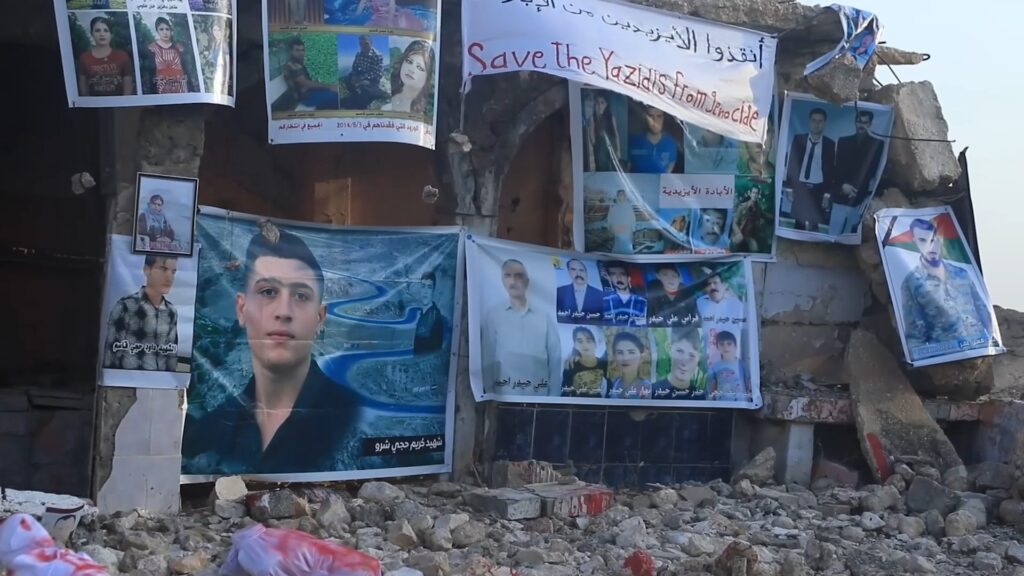
Twelve years have passed since the Islamic State of Iraq and the Levant (ISIL) launched a brutal assault on the Sinjar region, home to the Yazidi community in northern Iraq. This harrowing event, recognized by the United Nations as genocide, resulted in the massacre of thousands of Yazidis, the abduction of many more, and widespread devastation to the community’s cultural and religious heritage.
The attack began in early August 2014, when ISIL fighters stormed Sinjar, targeting Yazidi civilians because of their religious beliefs. Many were killed outright, while others were taken captive and subjected to unimaginable horrors, including forced conversions, enslavement, and systematic sexual violence. These acts of violence created a humanitarian crisis that drew international condemnation and urgent calls for action.
Today, the Yazidi community marks the 12th anniversary of this tragedy, reflecting on the profound losses and ongoing struggles they face. Despite the fall of ISIL’s territorial control, the ramifications of the genocide persist, with survivors continuing to seek justice and accountability for the crimes committed against them.
Thousands of Yazidi survivors and activists remain engaged in efforts to document the atrocities and hold perpetrators accountable through national and international legal mechanisms. These efforts include trials in Iraq, where ISIL members are prosecuted for war crimes and genocide, as well as advocacy at international courts such as the International Criminal Court (ICC).
The United Nations has played a significant role in recognizing the genocide and supporting the Yazidi population. Various UN bodies continue to provide humanitarian aid, support rehabilitation programs, and advocate for the rights and dignity of Yazidis. This assistance is vital as many survivors still live in displacement camps or face difficulties reintegrating into their communities due to trauma and the destruction of their homes and infrastructure.
Commemorations have highlighted the resilience of the Yazidi people, many of whom now work to rebuild their lives and preserve their cultural identity. International organizations and local groups collaborate to provide educational opportunities, psychological support, and economic empowerment programs designed to help Yazidis overcome the consequences of genocide.
Despite these positive efforts, the path to justice remains challenging. Ongoing political instability in Iraq, security concerns, and the complexity of prosecuting crimes that occurred amid conflict complicate the pursuit of legal redress. Nonetheless, the Yazidi community continues to raise awareness within Iraq and globally, underscoring the need for recognition, remembrance, and reparations.
Experts emphasize the importance of international solidarity and comprehensive support to prevent the recurrence of such atrocities. The Sinjar genocide serves as a solemn reminder of the cost of hatred and intolerance, and the world is urged to uphold commitments to protect vulnerable communities and uphold human rights.
The twelfth anniversary of the ISIL massacre in Sinjar is not only a moment to mourn but also one to strengthen determination. The Yazidis’ quest for justice and healing underscores our shared responsibility to confront genocide wherever it occurs and to support those who have suffered unimaginable loss. As the community continues to rebuild, their story remains a powerful testimony to resilience, hope, and the enduring pursuit of justice.