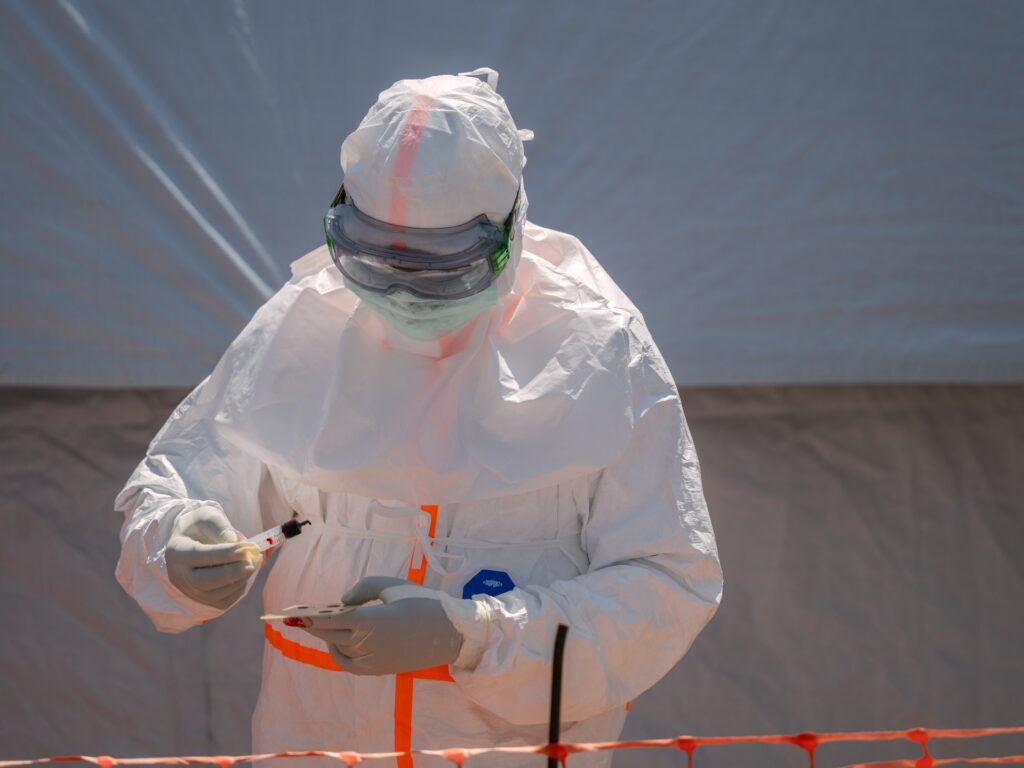
The Ebola outbreak in the Democratic Republic of Congo (DR Congo) has tragically resulted in more than 1,700 deaths, highlighting a severe health crisis in the region. The outbreak remains largely concentrated in the province of Ituri, which has reported nearly 90 percent of the confirmed cases, making it the epicenter of the epidemic.
The World Health Organization (WHO) has responded by accelerating trials for potential vaccines and treatments, aiming to curb the spread of the deadly virus and reduce the high mortality rate. The focus on clinical trials marks a critical step in combating this persistent outbreak, which has challenged health authorities due to difficult terrain, insecurity, and limited healthcare infrastructure in Ituri.
Health workers and international aid agencies continue to work under challenging conditions to trace contacts, vaccinate populations at risk, and provide supportive care to infected individuals. The urgency of deploying effective vaccines and therapeutics has never been greater, as the outbreak has endured despite previous efforts to contain it.
The WHO’s intensified efforts include expanding vaccination programs, deploying experimental vaccines to frontline health workers and communities, and bolstering local healthcare capacities. These measures aim to break transmission chains and protect vulnerable groups in hard-to-reach areas.
Community engagement and public education campaigns are also key components of the response, as misinformation and fear have hampered mitigation efforts in some areas. Building trust among the local population is essential for the successful implementation of health interventions and containment strategies.
Despite these efforts, the situation remains precarious. The high fatality rate underscores the virulence of the Ebola virus and the difficulties inherent in managing outbreaks in conflict-affected and remote regions. The international community continues to monitor the situation closely, providing financial and technical support to DR Congo’s health authorities.
This outbreak serves as a stark reminder of the ongoing threat posed by Ebola, particularly in regions with fragile health systems. It also highlights the importance of sustained investment in disease surveillance, emergency preparedness, and rapid response capabilities to address future epidemics effectively.
As WHO expedites the testing of new vaccines and treatments, hope remains that these interventions will soon lead to a decline in cases and save lives. Continued global solidarity and resource mobilization are crucial to bringing the outbreak under control and preventing further loss of life in DR Congo and beyond.