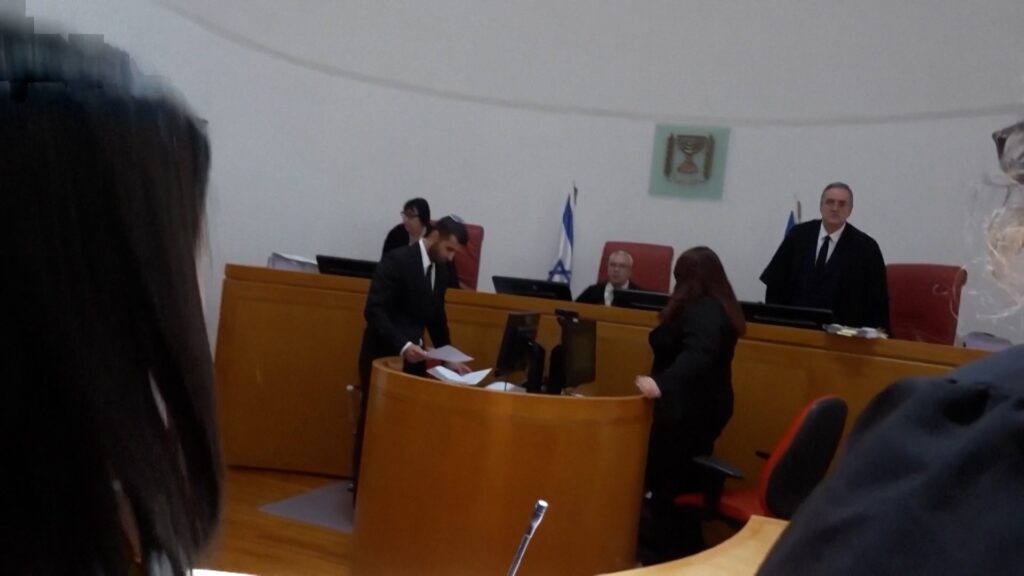
Israel’s Supreme Court has commenced hearings to address a constitutional challenge against recent legislation that prohibits the operations of the United Nations Relief and Works Agency for Palestine Refugees (UNRWA) within the state of Israel. This pivotal legal proceeding marks a significant moment concerning Israel’s stance on UNRWA’s presence and activities inside its borders.
The legislation under scrutiny effectively bans UNRWA’s operations in Israel, a move that has sparked widespread debate among legal experts, political figures, and international observers. The ban raises several complex legal and constitutional questions, particularly regarding Israel’s obligations and approach to Palestinian refugees.
UNRWA, established by the United Nations in 1949, has been providing essential services such as education, healthcare, and social support to Palestinian refugees in the region for decades. The organization operates primarily in territories including the West Bank, Gaza Strip, Jordan, Lebanon, and Syria. However, its activities within Israel have been contentious and subject to political tensions.
Advocates for the ban argue it is a necessary step to assert sovereignty and security within Israeli territory, contending that UNRWA’s presence undermines these aims. On the other hand, opponents criticize the legislation for potentially violating rights and humanitarian principles, emphasizing the agency’s role in supporting vulnerable populations.
The constitutional challenge brought before the Supreme Court was initiated by human rights groups and several local entities who argue that the ban contradicts Israel’s constitutional commitments and international legal standards. They assert that the ban could lead to serious repercussions on the welfare of Palestinian refugees residing in Israel.
During the hearings, justices examined various facets of the law, including its legal basis, implications for humanitarian aid delivery, and the broader geopolitical ramifications. The court’s deliberations are being closely watched by global stakeholders due to the potential impact on peace and stability in the region.
The issue also puts a spotlight on Israel’s broader policy towards Palestinian refugees and its relationship with international institutions. It raises questions about how Israel balances national security concerns with its commitments under international law and humanitarian obligations.
This landmark case could set a precedent influencing how Israel manages international organizations operating within its borders, particularly those involved in conflict-related humanitarian efforts. It might also affect the future of UNRWA’s programs and the international community’s role in addressing the refugee crisis in the Middle East.
As the Supreme Court continues its proceedings, all eyes remain on the legal arguments presented and the eventual ruling. Experts anticipate the decision will have far-reaching consequences, not only for UNRWA but also for Israel’s legal landscape and its diplomatic relations.
In summary, the Supreme Court’s hearings on the constitutional challenge to the UNRWA ban constitute a critical juncture in Israeli law and international humanitarian considerations. This case encapsulates the ongoing struggle to reconcile national interests with global humanitarian imperatives in one of the world’s most complex and sensitive geopolitical environments.