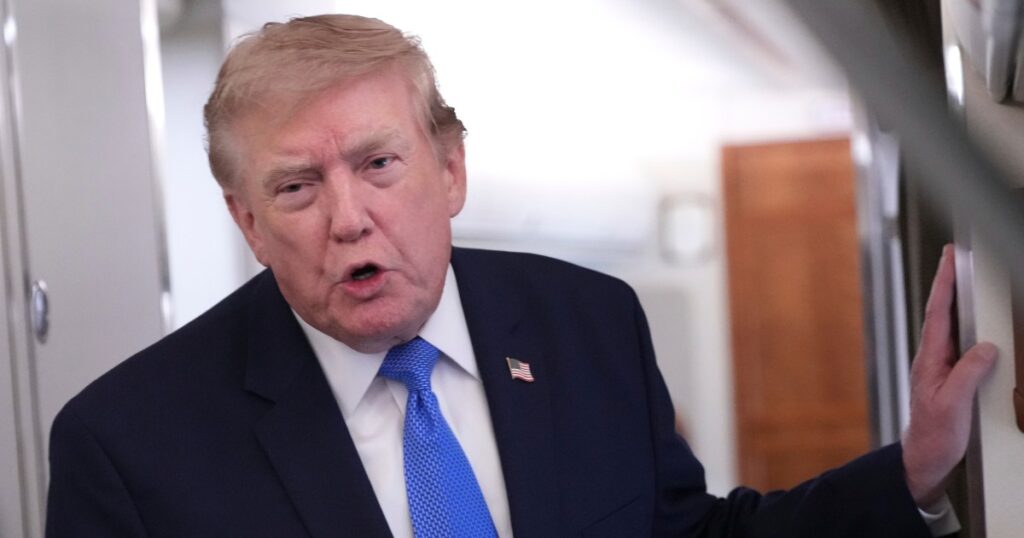
Former U.S. President Donald Trump has announced the initiation of new negotiations with Iran, marking a significant development in the ongoing geopolitical tensions between the two nations. This move has attracted widespread attention among analysts and policymakers eager to see if these talks can pave the way for improved relations and regional stability.
The negotiations reportedly focus on issues surrounding the Strait of Hormuz, a strategic chokepoint through which a significant portion of the world’s oil supply passes. Control and security over this vital waterway have long been a flashpoint between Iran and the international community.
Experts suggest that reaching an agreement on Hormuz might be within reach. Such a deal could involve guarantees on safe passage through the strait, reductions in hostilities, and measures that prevent future maritime confrontations. These steps would be critical in ensuring the uninterrupted flow of oil and enhancing regional security.
However, despite the potential breakthroughs regarding Hormuz, analysts caution that a comprehensive and lasting peace agreement between the U.S. and Iran remains a distant prospect. Deep-rooted mistrust, decades of conflict, complex regional alliances, and divergent strategic interests continue to pose significant obstacles.
Previous efforts, including the 2015 Iran nuclear deal, demonstrated both the possibilities for and challenges of diplomatic engagement with Iran. While that agreement temporarily curbed Iran’s nuclear activities, its eventual collapse highlighted the fragility of such accords amid shifting political landscapes.
The new negotiations initiated under Trump’s influence indicate a willingness to revisit dialogue channels, yet the path toward broader reconciliation will likely be gradual and fraught with challenges. Political factions within Iran and the U.S. maintain hardline stances, and external actors in the Middle East watch closely for any sign of changing allegiances.
There is hope that the talks will start with manageable confidence-building measures, eventually expanding to tackle more complex issues such as uranium enrichment, ballistic missile programs, and regional influence campaigns.
Observers emphasize the importance of international support in these talks, encouraging multilateral frameworks that include regional stakeholders to foster trust and verification mechanisms.
In summary, while Trump’s announcement marks a potentially positive diplomatic development concerning the Strait of Hormuz, the broader quest for lasting peace and normalized relations between the U.S. and Iran remains a complex and long-term endeavor. The coming months will be crucial in assessing whether these renewed negotiations can transition from tentative talks to impactful agreements that ensure regional stability and security.