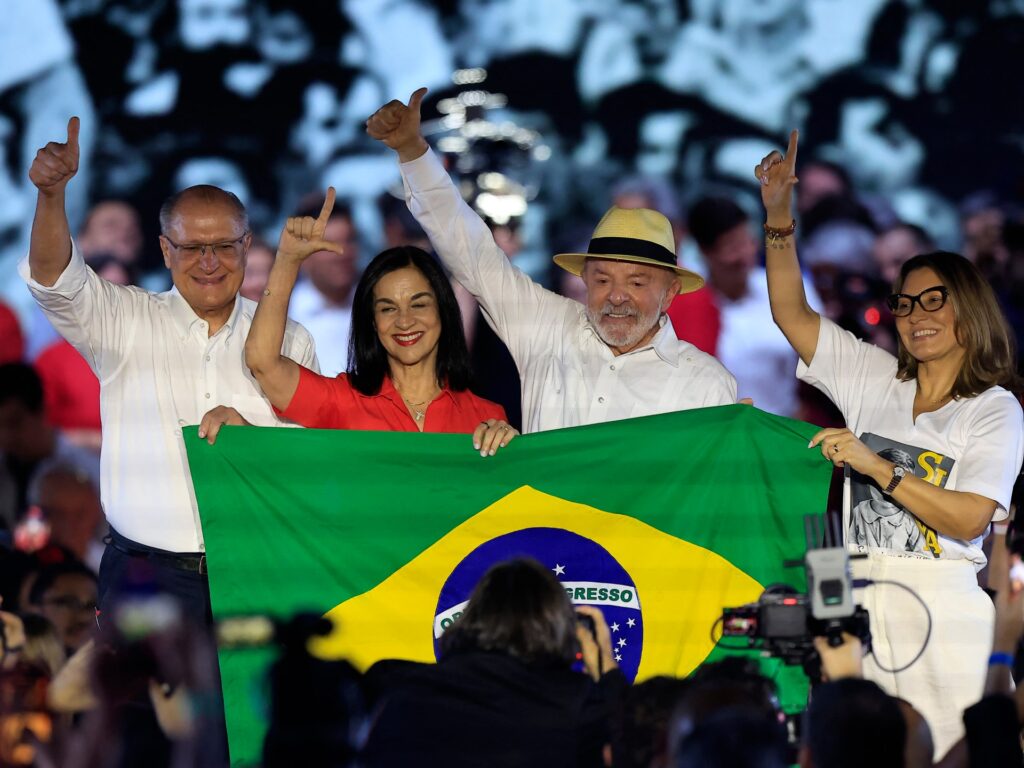
Brazil’s former president Luiz Inácio Lula da Silva, commonly known as Lula, has officially launched his campaign for a fourth term in office. The announcement marks a significant moment in Brazilian politics, with Lula aiming to recapture leadership amid a complex national and international landscape.
Central to Lula’s campaign is a strong focus on national sovereignty and resistance against foreign interference. He has cast the upcoming election as a pivotal battle to protect Brazil’s independence and interests from external influences. This approach is partly in response to the lingering political and diplomatic connections between Jair Bolsonaro’s family and former U.S. President Donald Trump.
Lula argues that these ties represent an alignment with foreign powers that could undermine Brazil’s autonomy. By highlighting this point, he hopes to rally voters who are concerned about Brazil’s position on the global stage and the potential consequences of subservience to other nations’ agendas.
Throughout his previous terms, Lula emphasized social reforms and economic growth aimed at reducing inequality in Brazil. Now, his fourth-term bid integrates these domestic priorities with a broader geopolitical narrative. His campaign stresses that safeguarding national sovereignty is essential for sustaining the social and economic progress achieved under his leadership.
The election is shaping up to be a major contest that reflects broader themes beyond traditional economic issues—touching on identity, independence, and Brazil’s role in the world. Lula’s messaging is designed to resonate with voters who feel wary of foreign influence and eager to assert Brazil’s right to self-determination.
Critics of Bolsonaro note that his administration’s close affinity with Trump symbolized a shift towards policies often dictated by external powers, potentially at the expense of Brazil’s unique priorities and needs. Lula seeks to capitalize on this perception by positioning himself as a defender of Brazil’s sovereignty.
Analysts predict that the emphasis on national sovereignty could be a decisive factor in the election, particularly as global geopolitics continue to evolve and nations grapple with balancing international cooperation and autonomy.
In summary, Lula’s campaign for a fourth term is distinguished by a deliberate focus on resisting foreign submission and championing Brazil’s sovereign interests. This strategy frames the election as a defining moment for the nation’s future direction and its stance on the world stage.