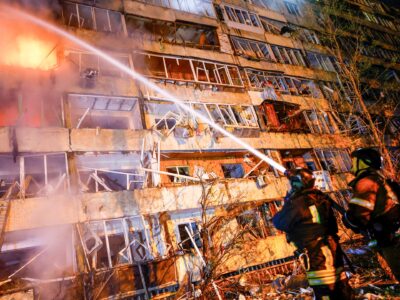
Venezuela has been grappling with the devastating aftermath of a series of powerful earthquakes that have dramatically impacted the nation. The death toll has tragically risen to 3,889, marking one of the deadliest natural disasters in the country’s recent history. As emergency responders and relief organizations rush to provide aid, concerns are escalating regarding the resultant health crises that could compound the disaster’s impact.
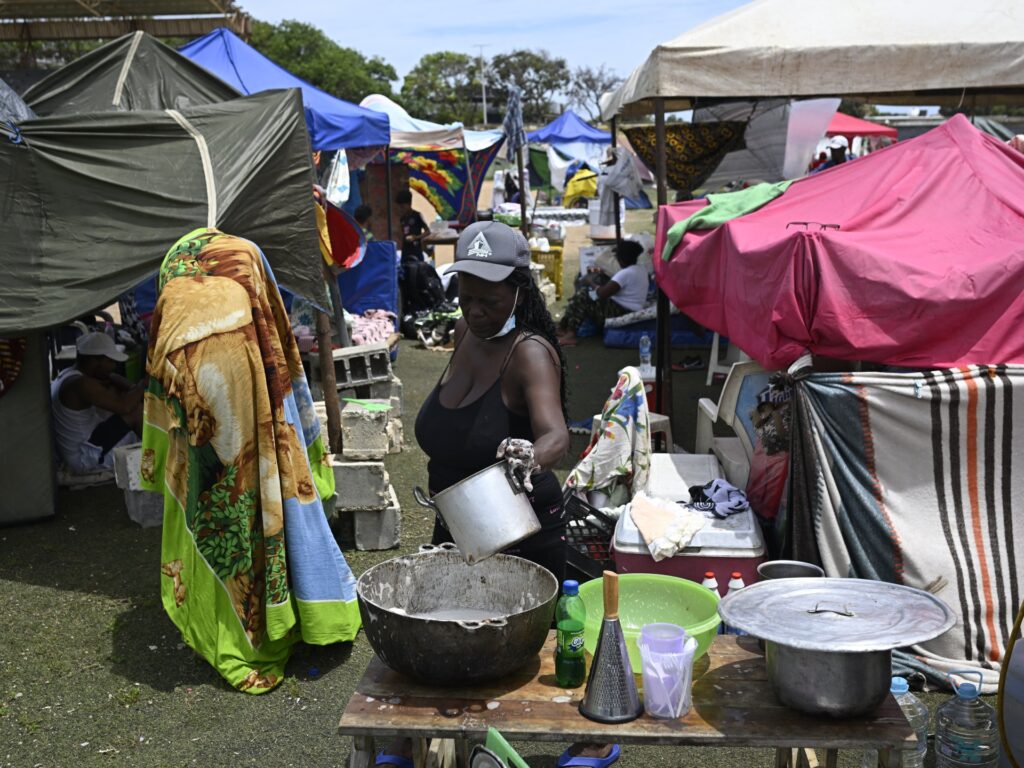
The earthquakes have caused widespread destruction, leveling homes, schools, and infrastructure, leaving thousands displaced and in urgent need of basic necessities such as food, water, and medical care. The devastation has also disrupted sanitation systems, heightening the risk of waterborne diseases that could threaten the lives of many survivors.
In response to the crisis, the United Nations has launched an appeal for roughly $300 million in aid funding. This humanitarian appeal is aimed at supporting emergency relief operations, including the provision of medical supplies, clean water, disease control measures, temporary shelter, and rebuilding essential infrastructure.
Health officials warn that the risk of outbreaks of diseases such as cholera, typhoid, and other infections is significant, given the damage to water and sewage facilities. Efforts are focused on preventing secondary disasters caused by such epidemics. International health agencies and local medical teams are working tirelessly to provide vaccinations, hygiene kits, and educational campaigns to mitigate the situation.
The Venezuelan government, along with international partners, has mobilized to establish emergency shelters and distribute aid, but the scale of the disaster poses tremendous challenges. Access to remote and heavily affected regions remains difficult due to collapsed roads and damaged communication networks.
Humanitarian organizations stress the urgency of global support to deal with both immediate needs and long-term recovery efforts. Without swift and sustained assistance, survivors risk prolonged suffering amid inadequate living conditions and failing health infrastructure.
The United Nations’ funding appeal underscores the importance of international solidarity in the face of Venezuela’s humanitarian crisis. As relief teams continue their work, the focus remains on saving lives, preventing disease outbreaks, and laying the groundwork for rebuilding communities shattered by this catastrophic event.
This earthquake disaster has deeply affected Venezuela’s economy and social fabric and will require a coordinated, multi-sectoral effort for recovery and resilience building. The coming weeks and months are critical as national and international stakeholders endeavor to provide effective aid and support to the Venezuelan people during this time of unprecedented need.