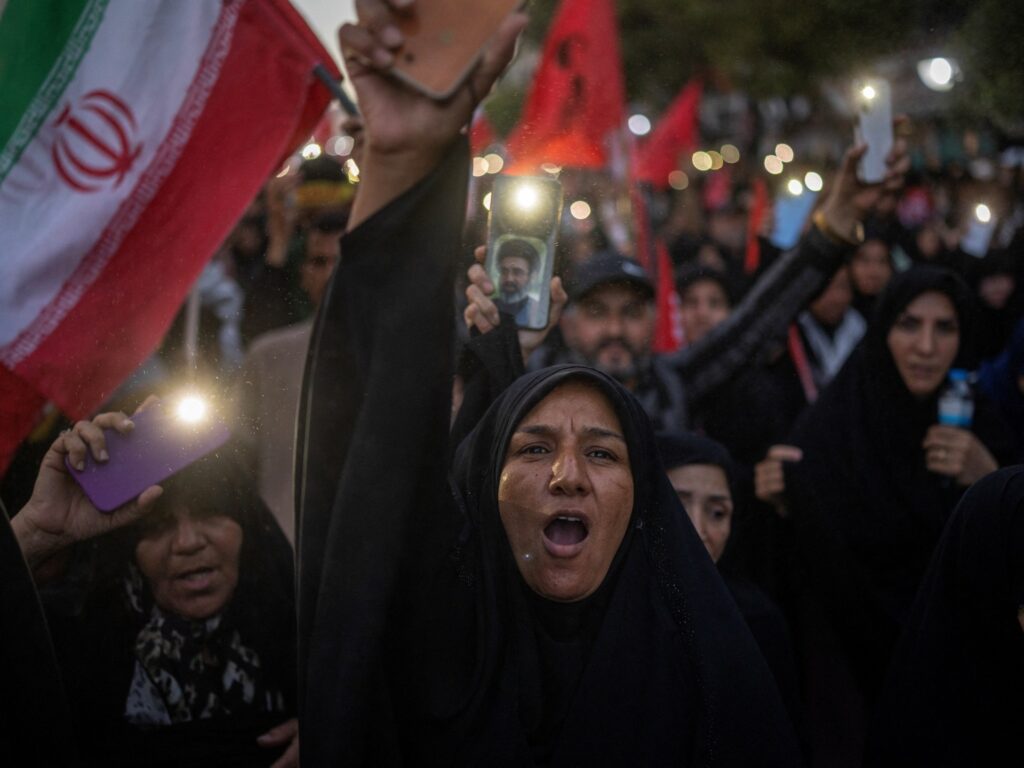
Recent developments in the escalating tension between Iran and the United States have brought new attacks on Iranian targets, intensifying concerns about the potential for wider conflict. Despite these strikes, a Washington official has clarified that the US is not behind the latest attacks, aiming to distance the administration from direct involvement in these escalations. This statement comes amid ongoing technical talks between the US and Iran, highlighting an attempt to de-escalate the situation through diplomatic channels even as violence flares.
The recent attacks have raised alarm across the international community, with fears that they could provoke a broader military response or disrupt regional stability. The specific targets of the strikes have not been fully disclosed, but the incidents underscore the fragile security environment in the Middle East.
US officials emphasize that these talks are focused on technical issues, suggesting that dialogue continues in hopes of finding common ground despite deep-seated mistrust and the complex geopolitical backdrop. These discussions are critical as both sides navigate a difficult path toward reducing conflict risks while maintaining their strategic interests.
Iran’s response to the attacks and the US statements has been closely watched, with Tehran signaling its outrage over the strikes. The Iranian government has accused foreign actors of trying to destabilize the region but has so far refrained from attributing the assaults directly to Washington, keeping diplomatic channels open for now.
Analysts note that this dynamic reflects the paradox of the US-Iran relationship: entrenched hostility paired with moments of cautious engagement. The ongoing talks may not yield immediate breakthroughs but represent an essential mechanism for communication that can prevent unintended escalation.
International efforts continue to encourage dialogue and de-escalation in the region, with various countries urging restraint from all parties. The situation remains fluid, and the risk of further attacks or retaliation cannot be discounted.
Observers are monitoring how these developments will influence broader regional tensions, including Iran’s relationships with other countries and the shifting alliances in the Middle East. The US administration’s dual approach of condemning violent acts while pursuing diplomatic talks illustrates the complexity of managing national security and foreign policy objectives simultaneously.
As the world watches, the hope remains that continued negotiations and international pressure will help avoid a larger conflict, ensuring stability in a region critical for global energy supplies and geopolitical balance. The coming days will be pivotal as the US and Iran navigate these challenging circumstances, seeking a way forward amid deep-rooted animosity and new provocations.