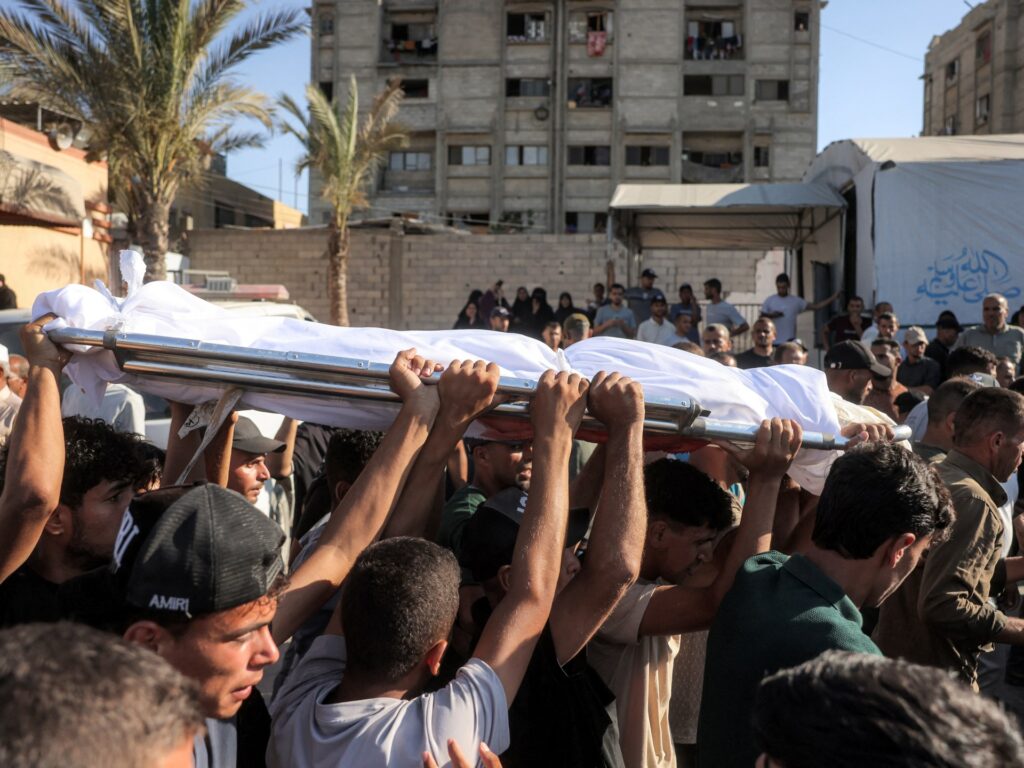
In a tragic escalation of violence, Israeli attacks on Gaza have resulted in the deaths of 10 people within a span of 24 hours, despite an ongoing declared ceasefire. This situation has drawn widespread condemnation and heightened concerns about the fragile state of peace in the region.
The ceasefire, intended to halt hostilities and provide relief to civilians caught in the conflict, has unfortunately been breached repeatedly, leading to renewed violence and loss of lives on both sides. The recent attacks have targeted various locations in Gaza, causing significant casualties and destruction.
One of the most alarming incidents during this period was a deadly air strike that killed a driver associated with the World Central Kitchen, an organization known for providing aid and food relief to those affected by crises. The World Central Kitchen has condemned this attack vehemently, calling it an unjustified act of violence against humanitarian efforts.
In response to the air strike, the World Central Kitchen has demanded accountability and immediate measures to protect aid workers who operate in high-risk areas. They emphasized that such attacks hinder vital humanitarian assistance and exacerbate the suffering of the civilian population, who are already enduring immense hardship.
The ongoing violence in Gaza has triggered international calls for renewed diplomatic efforts to enforce the ceasefire and prevent further bloodshed. Many observers and human rights groups stress the importance of safeguarding civilians and ensuring that aid organizations can carry out their work without fear of attack.
The recent events underscore the volatility of the situation in Gaza, where ceasefires have often been fragile and temporary. The killing of aid workers, in particular, raises grave concerns about the respect for international humanitarian law and the protection of those committed to alleviating human suffering.
Efforts are underway by international actors and local authorities to de-escalate tensions and resume negotiations aimed at a longer-term peace agreement. However, the path remains fraught with challenges, given the deep-rooted conflicts, mutual distrust, and recurring cycles of violence.
Meanwhile, humanitarian organizations continue to appeal for safe access to affected areas in Gaza to provide essential services, including medical aid, food, and shelter. The recent deadly air strike serves as a stark reminder of the dangers these organizations face and the urgent need for robust protections to ensure their operational safety.
As the international community watches closely, the priority remains to halt the violence, uphold the ceasefire, and ensure the protection of civilians caught in the crossfire. The loss of life, including that of an aid driver dedicated to helping those in need, highlights the human cost of this conflict and the imperative for sustained efforts towards peace and security in the region.