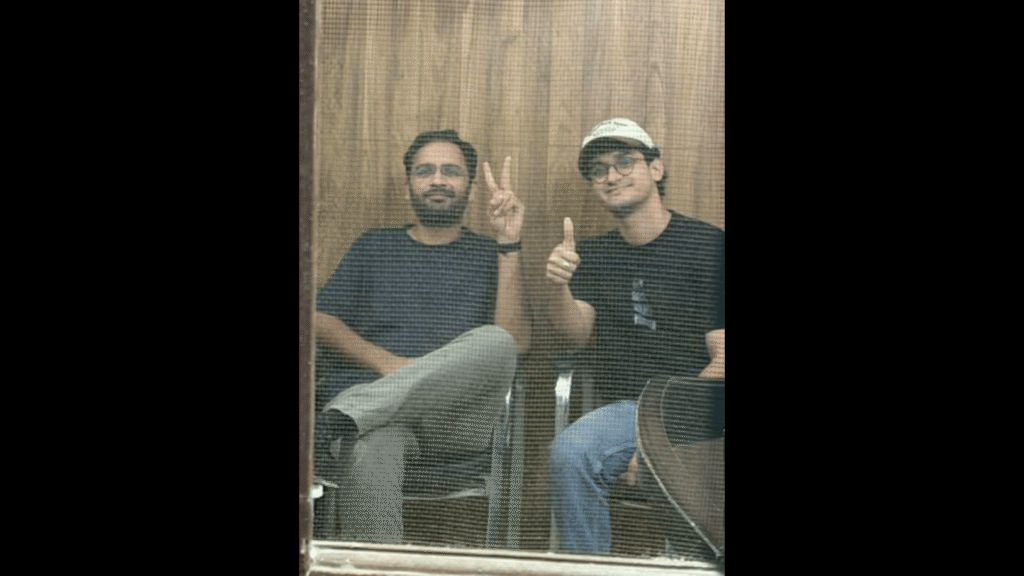
Two leaders from India’s Cockroach Janta Party (CJP) have been sentenced to five days in jail after they entered a protest site in Delhi that had been declared off-limits by authorities. The demonstration area was officially banned due to ongoing security concerns and attempts to control public gatherings amidst political unrest.
The incident drew immediate attention from law enforcement officials who detained the leaders upon their unauthorized entry into the prohibited zone. This move by the leaders was seen as an act of defiance against the state’s restrictions, aiming to bring attention to their cause.
Protests have been a common feature in Delhi recently, reflecting widespread discontent among various groups regarding governmental policies and social issues. The government has implemented strict regulations for various protest sites, particularly in the sensitive heart of the capital city, to maintain public order and security.
The Cockroach Janta Party, known for its vocal opposition to certain policies, shares the frustration of many citizens but now finds its leadership penalized for breaching specific legal boundaries.
This incident underscores the tensions between political expression and regulatory measures in India’s capital. Authorities have emphasized their commitment to upholding law and order while balancing citizens’ rights to demonstrate peacefully.
The jailed leaders are expected to serve their sentences over the next five days, during which time further political discourse around the protest site restrictions is anticipated.
Public reaction to the imprisonment has been mixed, with supporters criticizing the government’s harsh stance and opponents arguing that the law must be respected to ensure safety.
The case highlights the complexities involved in managing protest activities in densely populated urban centers like Delhi, where the balance between freedom of assembly and security is continually negotiated.
Legal experts suggest that the incident may prompt debates on the legality and ethics of banning protest sites, potentially leading to calls for clearer guidelines and more transparent enforcement practices.
Meanwhile, the Cockroach Janta Party has vowed to continue its activism despite the setback, signaling potential future actions that could test the limits of protest laws in India.
This event serves as a litmus test for civil liberties and governmental control in one of the world’s largest democracies, reflecting broader global challenges in managing social and political dissent.
As the leaders begin their imprisonment, national and international observers watch closely for any developments related to civil rights, law enforcement, and political freedoms in India.
The government has also called for calm and urged citizens to abide by laws to prevent further escalation of tensions.
In the coming days, the situation will likely evolve as both sides reassess their strategies and the public monitors the broader implications for Indian democracy and governance.