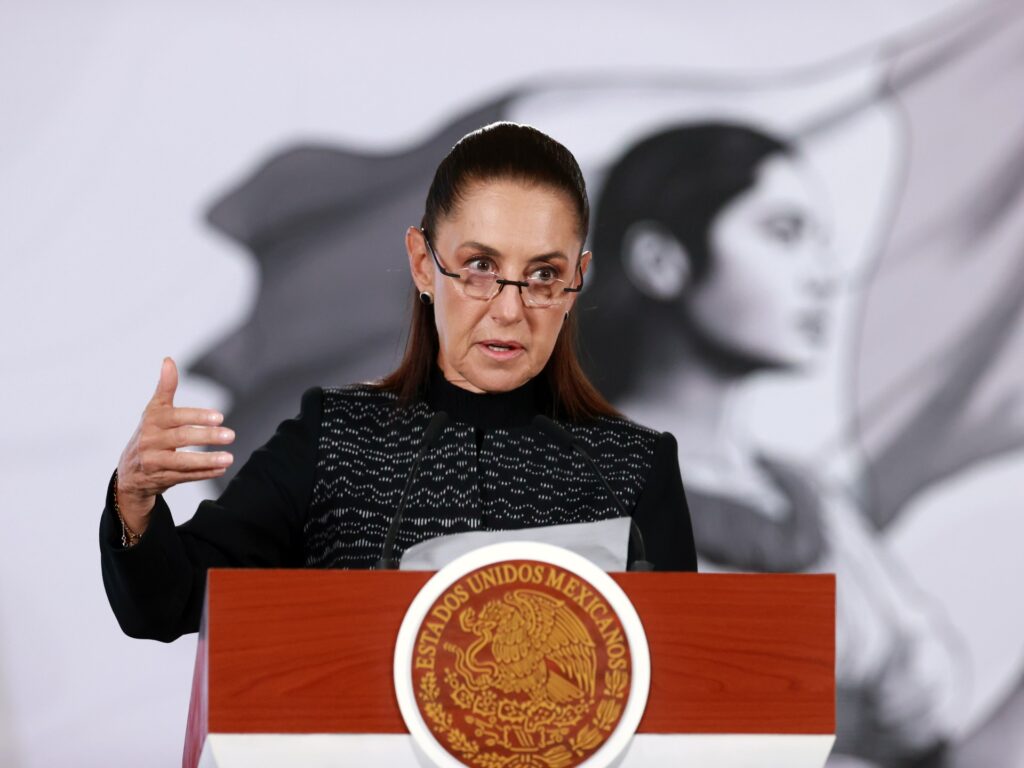
In a significant development in the ongoing tensions between Mexico and the United States over immigration enforcement, Mexican officials have announced the country’s most forceful response yet to the deaths of Mexican citizens in the custody of US Immigration and Customs Enforcement (ICE) and during immigration enforcement operations.
Claudia Sheinbaum, a leading Mexican political figure, recently declared that Mexico will actively seek to file criminal complaints in the United States concerning the fatalities of Mexican nationals linked to ICE custody or related enforcement activities. This move underscores Mexico’s commitment to demanding accountability and justice for its citizens who have died under circumstances related to immigration control.
The announcement comes amid growing concern and scrutiny over the treatment of migrants detained by US immigration authorities. Reports have highlighted a troubling pattern of deaths, raising serious questions about the conditions within detention facilities and the procedural conduct of immigration enforcers.
Mexico’s decision to pursue criminal complaints represents an unprecedented diplomatic and legal initiative to hold US agencies responsible for custodial deaths. It signals a heightened willingness to challenge the enforcement practices of ICE and draws attention to the humanitarian and legal obligations owed to migrants.
Claudia Sheinbaum emphasized the urgency of the matter by pointing out that these deaths are not isolated incidents but part of a broader systemic issue involving the treatment of migrants and the enforcement policies that place vulnerable individuals at risk.
The Mexican government’s approach reflects a broader desire to protect the rights and dignity of migrants, and it highlights the challenges faced by individuals who attempt to enter the United States in search of better opportunities. The reported deaths in ICE custody have ignited calls for reform and oversight, both within the US immigration system and on the international stage.
This move by Mexico may prompt further bilateral discussions regarding immigration procedures, detention conditions, and the responsibilities of both countries to ensure humane treatment and justice for detainees. It also may influence public discourse and policymaking on immigration enforcement in the US.
Human rights organizations have welcomed Mexico’s stance, viewing it as a crucial step toward increased transparency, accountability, and the prevention of further tragic outcomes. The international community is watching closely as these developments unfold, highlighting the complex and often contentious nature of immigration enforcement in North America.
As both nations navigate these sensitive issues, it becomes increasingly clear that cooperation and mutual respect for human rights are essential to addressing the challenges surrounding migration and enforcement practices effectively and ethically.
In summary, Mexico’s decision to seek criminal complaints in the US over ICE-related deaths marks a pivotal moment in the ongoing dialogue between the two countries over immigration enforcement and migrant rights. It signals a new phase of advocacy and legal action aimed at ensuring accountability and upholding human dignity amid the contentious realities of immigration control.