Tensions between the US and Iran have escalated dramatically as both nations launched a series of retaliatory attacks following renewed hostilities. Iran announced it targeted sites linked to the US military in Kuwait, Bahrain, and Qatar, claiming their actions were in direct response to US bombardments of Iranian targets. This string of strikes marks a dangerous intensification in the ongoing conflict, which has already destabilized the region.
The attacks began after the US conducted airstrikes against locations inside Iran, which they say were linked to Iranian-backed militias responsible for attacks on American forces. In retaliation, Iran targeted sites in several Gulf countries known to host US military bases, signaling a broader regional escalation. These simultaneous operations have heightened fears of a wider conflict.
Amidst this volatile situation, mediators and international observers are urging both parties to uphold the terms of a previously established Memorandum of Understanding (MoU), which calls for restraint and dialogue to prevent further violence. Diplomatic channels are reportedly active, as global powers seek to de-escalate tensions and avoid a full-scale war.
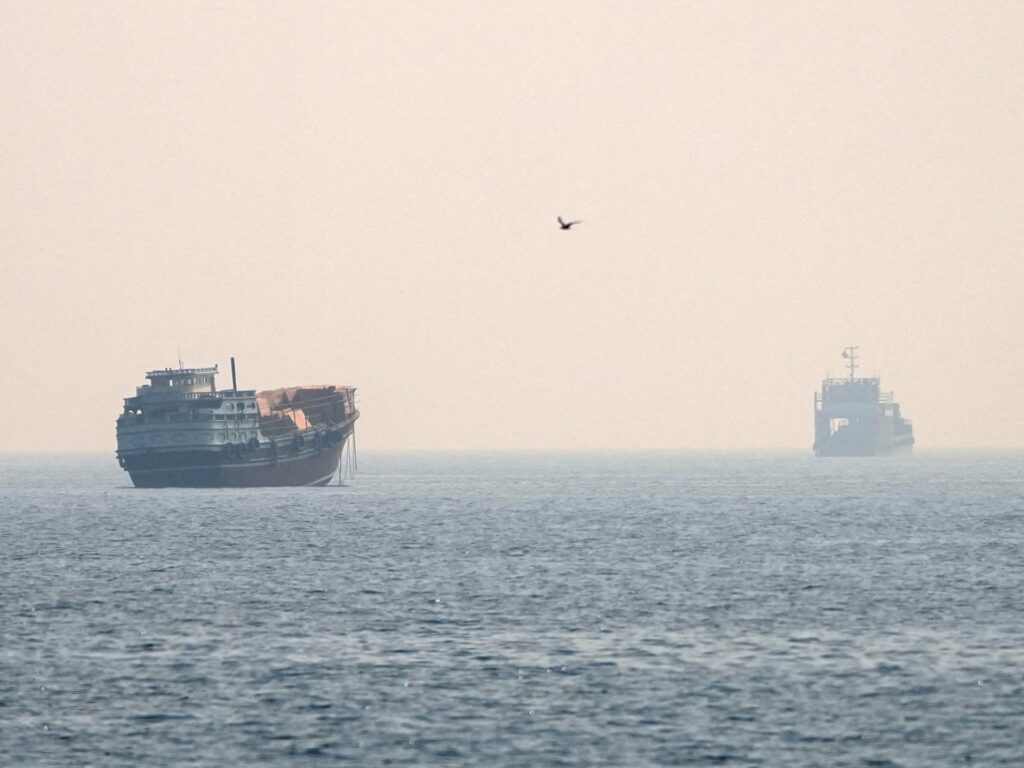
The regional impact of this conflict cannot be overstated. The Persian Gulf is a critical passage for global energy supplies, and instability here could disrupt oil shipments, potentially increasing global energy prices and impacting economies worldwide. The involvement of countries like Kuwait, Bahrain, and Qatar, all key US allies hosting strategic military installations, complicates the situation further.
Experts warn that without immediate diplomatic engagement, the cycle of attacks and counterattacks could spiral out of control, drawing in other regional actors and possibly leading to extensive civilian casualties and economic damage. The international community is closely monitoring the developments, with some urging the United Nations to intervene to facilitate negotiations and peace talks.
This renewed conflict underscores the fragile nature of peace in the Middle East and the complexities of US-Iran relations. It highlights the critical need for effective mediation and adherence to diplomatic agreements like the MoU to prevent further bloodshed and maintain regional stability.
In summary, as US and Iranian forces continue their military exchanges, the world’s attention is on the Gulf to see if cooler heads will prevail and if diplomatic efforts can succeed in halting the violence and paving the way for a more stable and peaceful future in the region.