In a recent legal development, a U.S. court has ruled that former President Donald Trump’s name must remain off the John F. Kennedy Center for the Performing Arts during the ongoing appeal process. This decision follows a judge’s prior order last month that led to the removal of Trump’s name from the center’s facade and signage.
The controversy began when the Kennedy Center, a prominent cultural institution in Washington, D.C., had Trump’s name associated with certain parts of the venue. However, following concerns raised about this association, a legal challenge was brought forth, resulting in a judge’s directive to remove Trump’s name from visible public display.
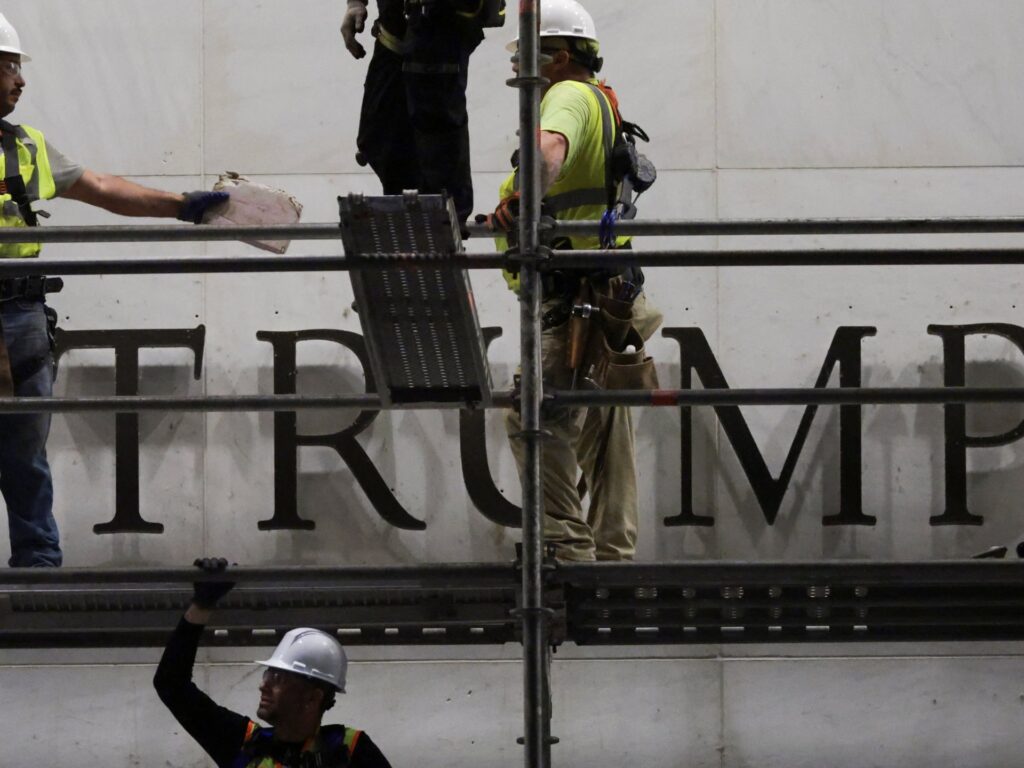
Last month, the Kennedy Center complied by taking down Trump’s name from its exterior facade and all related signage, signaling a significant move in the cultural and political discourse surrounding the institution. This action, however, was met with resistance, leading to an appeal by Trump’s representatives seeking to reinstate the name pending a full review.
The recent court ruling effectively supports the initial judge’s order, ensuring that Trump’s name will not reappear on the Kennedy Center while the appeal is being considered. This maintains the status quo and prevents any premature reinstatement that could complicate the ongoing legal proceedings.
The case highlights the complexities at the intersection of politics, culture, and legal standards in the United States. The Kennedy Center, known for its role in honoring arts and culture, now finds itself at the center of a broader debate regarding the legacy and public recognition of political figures.
Legal experts suggest that the outcome of the appeal will set a precedent for how similar cases may be handled in the future, particularly those involving naming rights and the political implications tied to them. The court’s decision reflects a cautious approach, prioritizing the integrity of the judicial process over immediate changes in public institutions.
As the Kennedy Center awaits the final resolution of the appeal, stakeholders from various communities continue to express diverse opinions. Supporters of Trump’s name on the center argue for the recognition of his tenure as president, while opponents cite concerns about the appropriateness of such honors given the political controversies surrounding him.
This ongoing legal battle encapsulates the tensions between heritage, public memory, and the role of arts institutions in political discourse. It serves as a reminder of the powerful symbolism associated with public names and the careful consideration required before bestowing or removing such honors.
The Kennedy Center itself has remained largely silent on the matter beyond following court orders, emphasizing its mission to promote the arts without engaging in political debates. Nonetheless, the situation serves as a significant case study in cultural policy and judicial intervention in public naming practices.
Looking ahead, the decision on the appeal will be closely watched by cultural institutions, legal observers, and political commentators alike, as it may influence future policies on naming rights and their implications in public spaces.
For now, Trump’s name remains absent from the Kennedy Center, marking a notable moment in the intersection of law, culture, and politics.