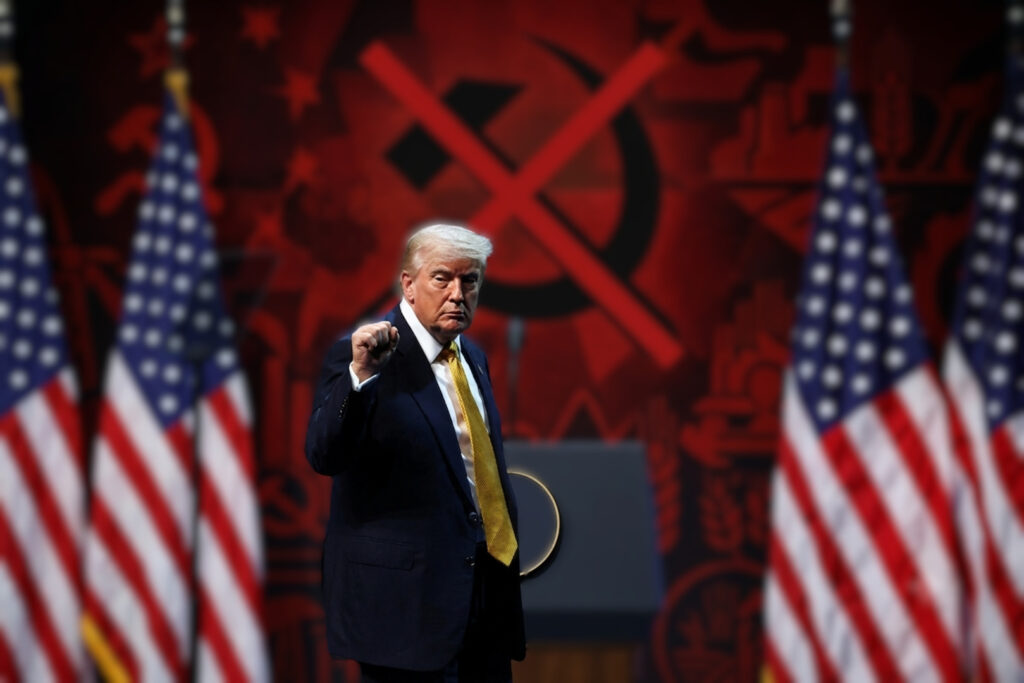
In recent weeks, US President Donald Trump has noticeably intensified his rhetoric against communism, having denounced the ideology more than 80 times in just the past two weeks. This surge in anti-communist statements marks a departure from his typical political discourse and has raised questions among political analysts and the public alike concerning the motivations and implications behind this focus.
Trump’s denunciations come at a time of heightened geopolitical tensions relating to communist states, particularly China and North Korea, both of which hold significant strategic and economic importance on the global stage. By criticizing communism repeatedly, Trump aims to position himself as a staunch defender against what he portrays as authoritarian and oppressive regimes that threaten democratic values and US interests.
Political commentators suggest that Trump’s fixation may be tied to several factors. Firstly, it could be a strategic move to galvanize his political base, many of whom view communism negatively due to its historical association with lack of freedoms and economic failures. Secondly, it could be a reaction to recent policy debates and domestic political challenges, where drawing sharp contrasts between authoritarian communism and American democracy underscores his narrative of patriotism and strength.
Another perspective is that Trump’s frequent references to communism serve as a warning against perceived threats in trade negotiations, military engagements, and cyber security. By framing issues through the lens of combating communism, Trump reinforces a sense of urgency and threat that mobilizes supporters and justifies aggressive foreign policy stances.
Critics, however, argue that this fixation risks oversimplifying complex international relations and could escalate unnecessary tensions. They worry that incessant anti-communism rhetoric may alienate allies, provoke retaliation from targeted nations, and detract from other pressing domestic issues.
Historically, anti-communism has been a significant theme in American politics, particularly during the Cold War era. However, this level of explicit denunciation from Trump in the modern political context stands out as unusual and demands a closer examination of both domestic and international factors influencing this stance.
In conclusion, President Trump’s sudden obsession with condemning communism reflects a multifaceted strategy incorporating political positioning, domestic messaging, and international diplomacy. As this rhetoric continues, observers will be watching closely to see how it impacts US policy decisions, global relations, and the internal political landscape.