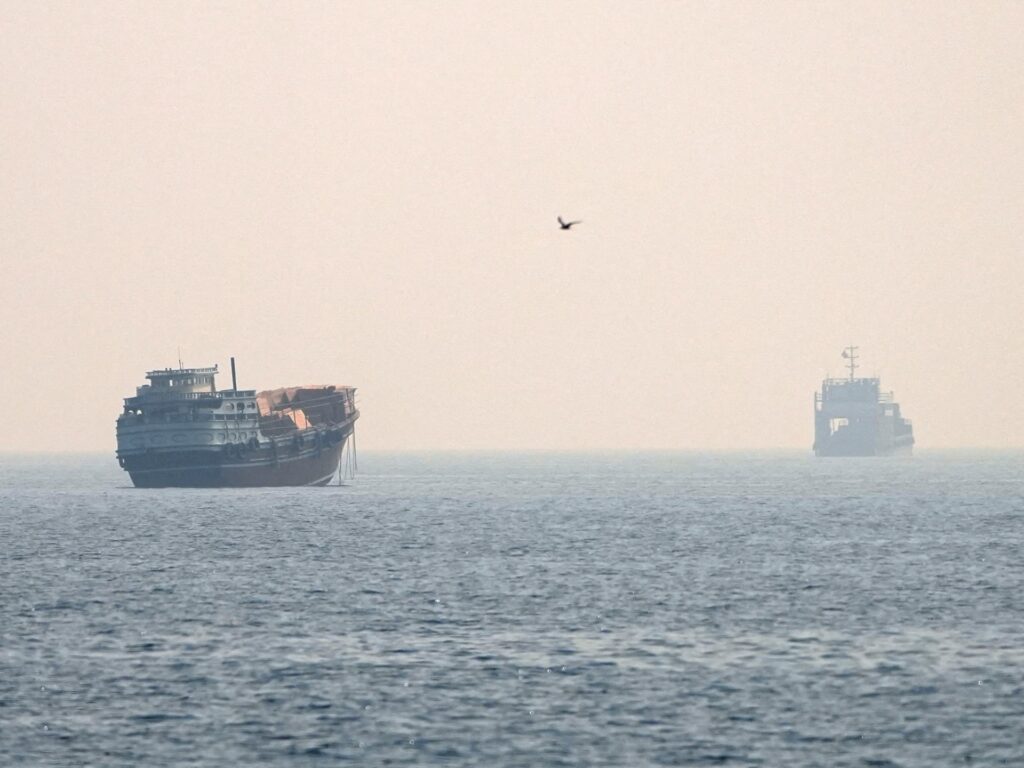
The ongoing conflict in the Middle East has escalated with Tehran launching attacks on Bahrain and Kuwait shortly after deadly US raids. The United States reportedly conducted airstrikes that killed at least one person in the city of Iranshahr, located in southeast Iran, and caused widespread power outages in the port city of Chabahar.
This latest surge in violence marks a significant intensification in tensions between Iran, the US, and Gulf states. The US air raids targeted strategic locations believed to be used by Iranian-backed militias, aiming to curb their influence and destabilizing activities in the region. However, these strikes have resulted in civilian casualties and infrastructural damage, including major disruptions to electricity supply in Chabahar.
In response, Tehran has launched retaliatory missile and drone strikes against Bahrain and Kuwait—two key US allies in the Gulf. These strikes have raised alarm in the international community, as they threaten to destabilize an already volatile region further. Both Bahrain and Kuwait have condemned the attacks and called for urgent diplomatic intervention to avoid full-scale war.
The power outages in Chabahar have exacerbated the humanitarian situation, affecting thousands of residents who rely on consistent electricity for their daily needs. Local authorities are struggling to restore power amidst ongoing hostilities and damaged infrastructure.
Analysts warn that the cycle of attacks and counterattacks could spiral into a broader regional conflict if diplomatic channels remain closed. Iran’s aggressive response reflects its strategic aim to assert dominance in the Gulf and resist US influence in the Middle East.
Meanwhile, global markets have reacted nervously to these developments, with oil prices experiencing volatility given the critical role the Gulf region plays in oil exports. International calls for restraint and dialogue are mounting, with many urging all parties to seek peaceful resolutions.
The US government has defended its raids as necessary actions against threats to regional security, emphasizing the importance of dismantling militant networks. At the same time, Washington has expressed concern over Iran’s retaliatory moves and the risk of escalation.
This conflict underscores the fragile security situation in the Gulf and the far-reaching consequences of military engagements. Diplomatic efforts, including potential UN involvement, are being discussed as the situation remains fluid and particularly dangerous.
As the situation develops, civilian populations in affected areas face ongoing risks, and humanitarian agencies are monitoring for potential crises related to displacement and access to essential services.
In conclusion, the recent attacks represent a dangerous flashpoint in Middle East geopolitics. The heightened military actions by Iran in response to US strikes highlight the tenuous balance of power and the pressing need for diplomatic efforts to prevent further escalation. The international community continues to watch closely, hoping for an end to the violence and the restoration of stability in the region.