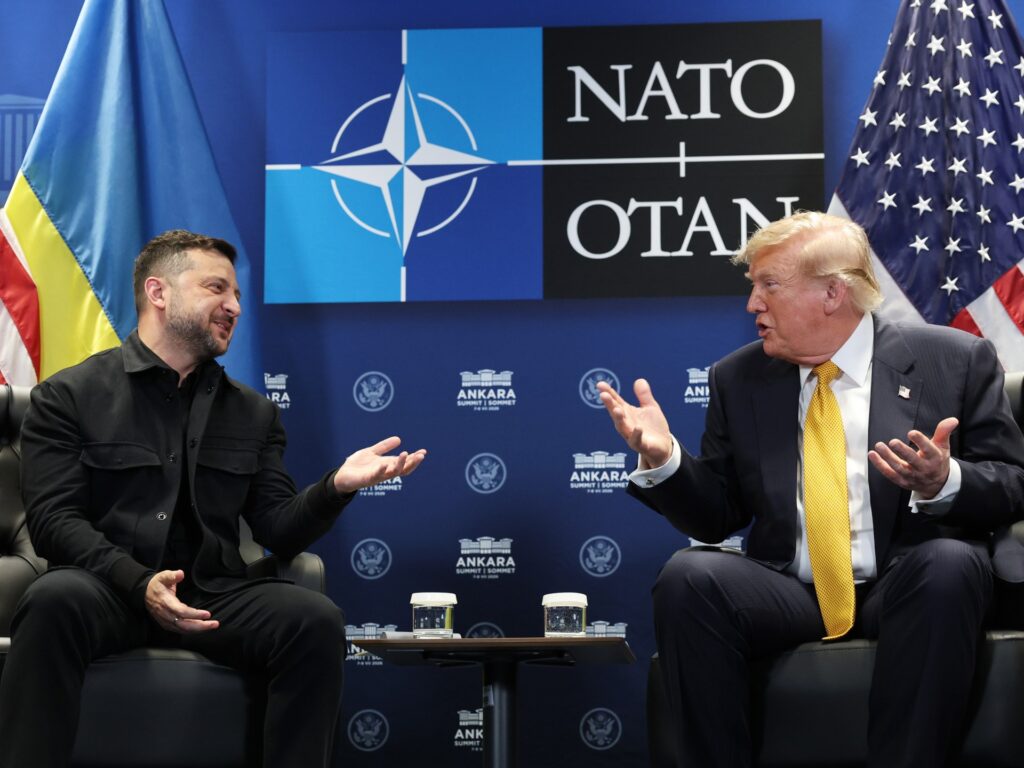
In a significant boost to Ukraine amidst ongoing tensions in the region, NATO has pledged an impressive 70 billion euros to support the country’s defense and recovery efforts. This unprecedented financial commitment underscores the alliance’s continued dedication to Ukraine’s sovereignty and security.
The announcement comes at a time when global attention is sharply focused on the evolving geopolitical landscape. NATO leaders have emphasized that this funding will aid in strengthening Ukraine’s military capabilities and rebuilding critical infrastructure damaged in recent conflicts.
In parallel with NATO’s pledge, former U.S. President Donald Trump made headlines during a cordial meeting with Ukrainian President Volodymyr Zelenskyy. Trump praised the progress made towards peace, describing it as “encouraging,” and indicated that the United States is prepared to enhance Ukraine’s defense systems.
A notable highlight from Trump’s remarks was his declaration that the U.S. will demonstrate to Ukraine how to produce Patriot missile systems. These advanced defense systems are crucial for countering aerial threats and would mark a significant step forward in Ukraine’s military self-sufficiency.
The display of camaraderie between Trump and Zelenskyy was marked by mutual respect and a shared commitment to peace and security in the region. This meeting has sparked discussions about the potential for increased cooperation between the United States and Ukraine, especially in the realm of defense technology.
Experts note that NATO’s financial injection combined with the technology transfer from the U.S. could dramatically alter the strategic balance in Eastern Europe. It represents not only a material enhancement but also a symbolic message of unwavering support from Western powers.
However, this robust support comes with challenges. The integration of high-tech defense systems like the Patriot missiles requires substantial training and infrastructure development, which Ukraine will need to address promptly.
Moreover, the geopolitical implications of these developments are profound. Russia, which has expressed strong opposition to Western involvement in Ukraine, is likely to respond to these moves, potentially escalating tensions further.
Despite these challenges, the consensus among NATO members and U.S. officials remains optimistic. There is a strong belief that these steps will contribute significantly to stabilizing the region and fostering a durable peace.
International observers have welcomed NATO’s substantial financial commitment and the U.S.’s defense collaboration as a clear signal that Ukraine has powerful allies committed to its defense and prosperity.
As the situation develops, all eyes will be on how Ukraine leverages this support to safeguard its sovereignty and pursue a peaceful resolution to ongoing conflicts. The combined financial, diplomatic, and military backing highlights a pivotal moment in the ongoing struggle for stability in Eastern Europe.
This comprehensive support will likely serve as a foundation for Ukraine’s future defense strategy, reinforcing its position on the global stage and providing its people with a renewed sense of security and hope.