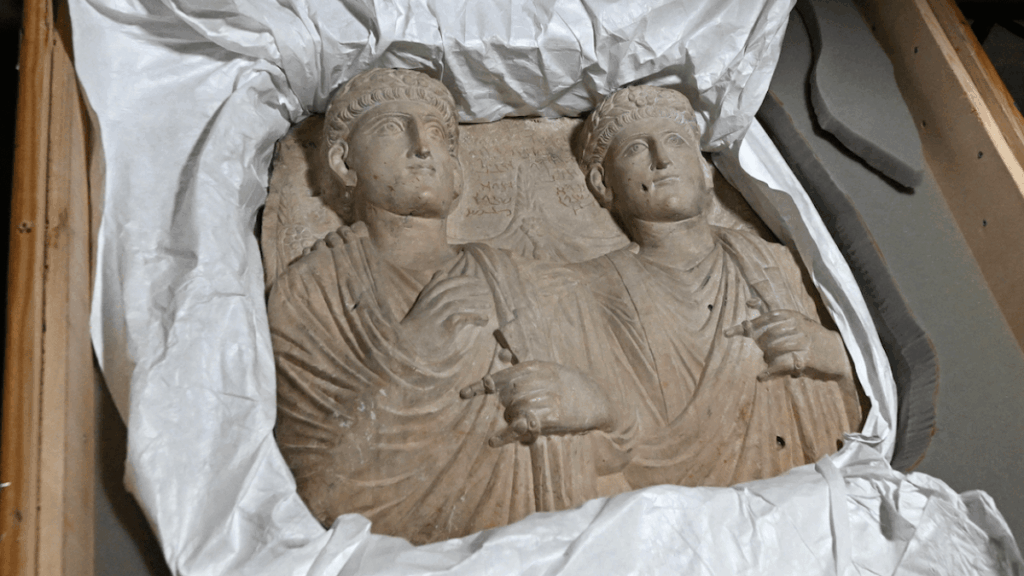
In a significant gesture aimed at preserving cultural heritage and fostering international cooperation, France has returned 23 Syrian antique artefacts that it had held since the outbreak of the Syrian civil war in 2011. The conflict in Syria has resulted in widespread destruction, including the looting and illegal trafficking of invaluable historical items. These artefacts, recovered or held by French authorities during the turmoil, symbolize the rich cultural history of Syria and its diverse ancient civilizations.
The repatriation came as part of a broader international effort to safeguard cultural heritage endangered by conflict and illicit trade. French officials emphasized the importance of protecting and respecting the cultural patrimony of nations affected by war and instability. The artefacts, whose origins date back several millennia, include sculptures, pottery, and inscriptions that reflect Syria’s historical significance as a cradle of early human civilization.
By returning these artefacts, France underscores its commitment to international cultural diplomacy and the ethical management of historical collections. The move has been welcomed by Syrian authorities and heritage organizations, who see it as a positive step towards rebuilding and preserving their cultural identity amid the ongoing challenges faced by the country.
This repatriation also highlights the broader issues surrounding cultural property displaced during conflicts, an ongoing challenge for museums, collectors, and governments worldwide. Efforts to track, recover, and return such items continue to gain momentum, driven by both legal frameworks and growing moral imperatives.
The artefacts will now be carefully restored and displayed in Syrian museums, providing the public and scholars access to these important pieces of history. This initiative is expected to strengthen cultural ties between France and Syria and contribute to the global discourse on the protection of cultural heritage during times of crisis. Furthermore, the action taken by France may set a precedent encouraging other nations to follow suit in repatriating cultural treasures back to their countries of origin, promoting shared responsibility and respect for cultural history across borders.
Overall, France’s decision to return the 23 Syrian artefacts not only honors the importance of cultural preservation but also reflects the broader humanitarian and ethical dimensions of protecting humanity’s shared heritage amidst conflict. It serves as a reminder of the power of cultural cooperation in healing and rebuilding societies torn apart by war, and the ongoing international commitment to safeguarding history for future generations.