The United Nations has issued a warning about the increasing intensity of the El Nino weather phenomenon and its associated risks of extreme weather events worldwide. According to the World Meteorological Organization (WMO), the El Nino is strengthening, raising the likelihood of severe heatwaves, prolonged droughts, and heavy rainfall across various regions.
El Nino is a natural climate pattern characterized by the warming of sea surface temperatures in the central and eastern tropical Pacific Ocean. This phenomenon significantly affects global weather and climate patterns, often leading to disruptive and extreme weather conditions. The WMO’s forecast indicates a heightened probability of El Nino-induced impacts this year, which could exacerbate existing climate challenges.
Heatwaves are expected to become more frequent and intense, posing serious health risks and putting strain on energy and water resources. Regions already vulnerable to high temperatures may experience unprecedented conditions, leading to increased mortality and morbidity rates related to heat stress.
Drought conditions are likely to become more widespread in areas typically affected by El Nino, threatening agriculture, water supplies, and food security. Farmers may face crop failures due to insufficient rainfall, which could drive up food prices and exacerbate hunger issues globally.
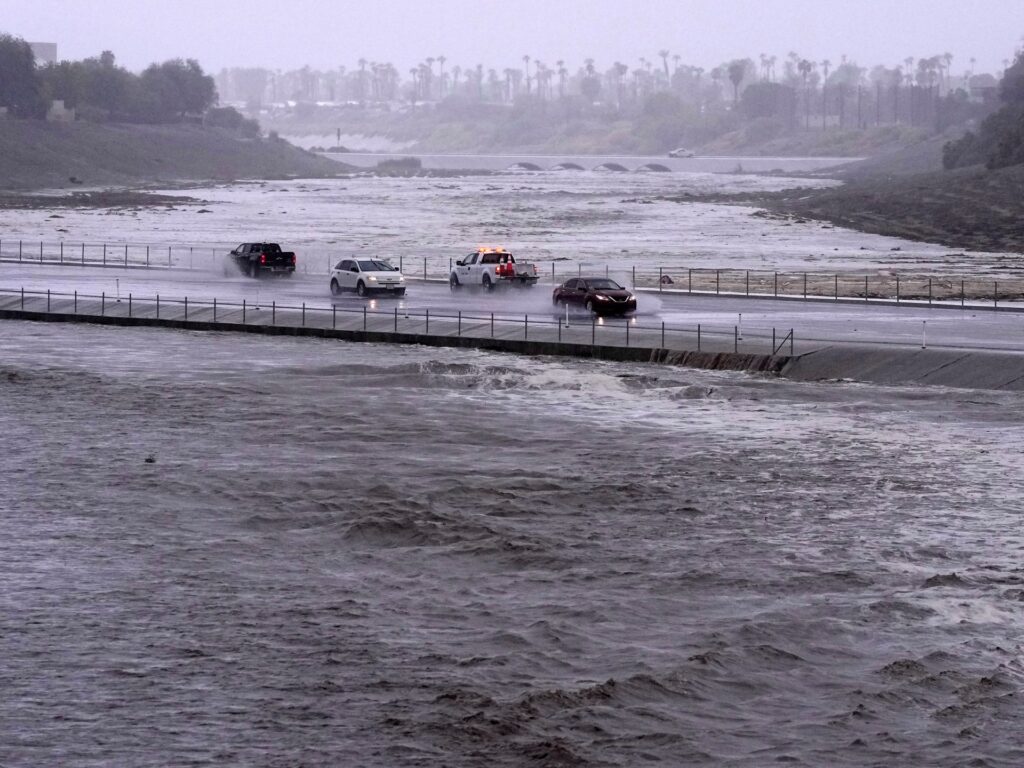
Conversely, other regions may experience unusually heavy rainfall, increasing the risk of floods and landslides. These events can cause significant damage to infrastructure, displace communities, and lead to loss of life.
The UN’s alert comes as climate change continues to amplify the underlying conditions that worsen the impacts of El Nino. Warmer global temperatures and altered weather systems compound the risks associated with these natural phenomena, demanding urgent attention and preparedness.
Governments and disaster response agencies are urged to enhance monitoring and early warning systems to mitigate the adverse effects of extreme weather linked to El Nino. Investment in climate resilience, sustainable water management, and emergency preparedness is critical to reducing vulnerabilities.
The WMO emphasizes the importance of international cooperation in sharing data, resources, and strategies to navigate the challenges posed by El Nino. Building community resilience through education and adaptive measures can also help reduce the human and economic costs of extreme climate events.
In conclusion, the United Nations’ warning highlights the urgent need to address the intensified risks of extreme weather events fueled by the strengthening El Nino. Proactive global collaboration and comprehensive preparedness efforts will be essential to safeguard vulnerable populations and ecosystems in the face of these escalating climate threats.