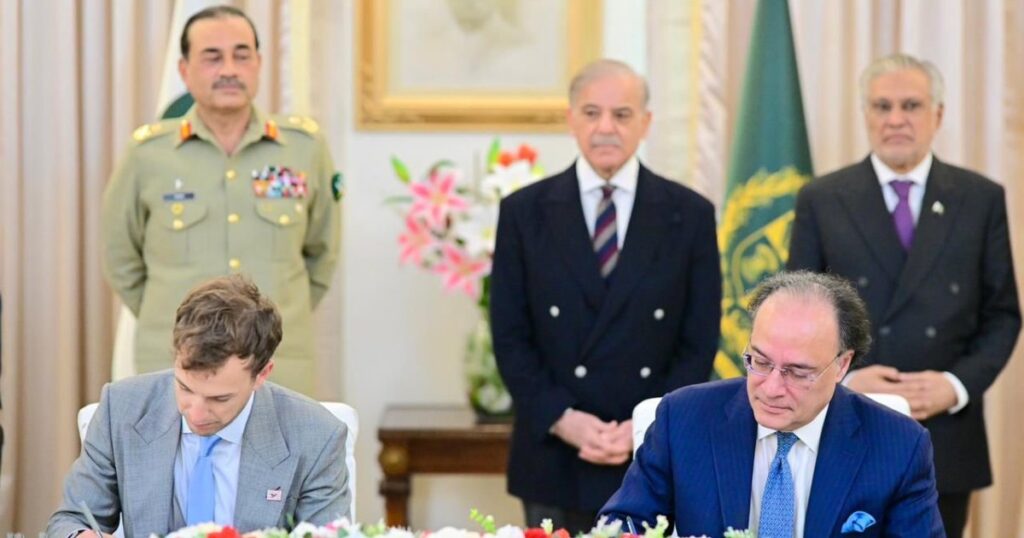
In recent developments, a strategic engagement between the United States and Pakistan involving a cryptocurrency firm has created a remarkable impact on both political and diplomatic fronts. This crypto-diplomatic initiative not only generated a substantial windfall of $500 million for former US President Donald Trump but also opened new avenues of influence for Pakistan within the US administration.
The cryptocurrency company at the center of this story managed to facilitate a mutually beneficial connection, providing significant financial returns and establishing a powerful diplomatic bridge. Trump’s involvement through this firm proved lucrative, yielding half a billion dollars, showcasing the growing impact and integration of digital assets in high-level political finance.
Meanwhile, Pakistan utilized this relationship to enhance its diplomatic stature. Access to influential circles in Washington through this crypto engagement afforded Pakistan new opportunities to advocate its interests and bolster bilateral relations with the US. The country’s ability to leverage this innovative approach reflects evolving tactics in international diplomacy, where financial technology intersects with global politics.
Experts suggest that this case illustrates the increasingly blurred lines between technology, economics, and diplomacy in the modern world. Traditional diplomatic methods are now complemented and sometimes transcended by dynamic engagements involving emerging technologies like cryptocurrency. This integration offers new mechanisms for influence, investment, and negotiation beyond conventional frameworks.
The success of the crypto firm underscores the potential for such entities to act as intermediaries or catalysts in international relations. Their role extends beyond mere financial transactions, contributing to policy dialogues, access to key decision-makers, and shaping geopolitical dynamics.
Furthermore, the Pakistan-US connection via this crypto-diplomatic channel signals a broader trend of countries using innovative platforms to gain strategic advantages. This could reshape how nations interact, prioritizing partnerships that combine financial incentives with diplomatic leverage.
Critics, however, caution about the risks involved. The intertwining of cryptocurrency and diplomacy raises concerns regarding transparency, regulatory oversight, and the potential for conflicts of interest. Ensuring ethical standards and clear governance remains paramount to avoid misuse of such engagements.
Despite these concerns, the crypto-diplomatic model demonstrated by the $500 million windfall for Trump and Pakistan’s increased access appears poised to influence future international strategies. It exemplifies how emerging financial technologies can redefine power dynamics and open new channels of dialogue and cooperation among nations.
In conclusion, the interplay between cryptocurrency and diplomacy as seen in this case highlights an innovative and complex layer of global interaction. The financial success for Trump and the strategic gains for Pakistan illustrate the multifaceted benefits and challenges of such engagements. As this trend evolves, the international community will undoubtedly watch closely to understand its long-term implications on global politics and economic relations.