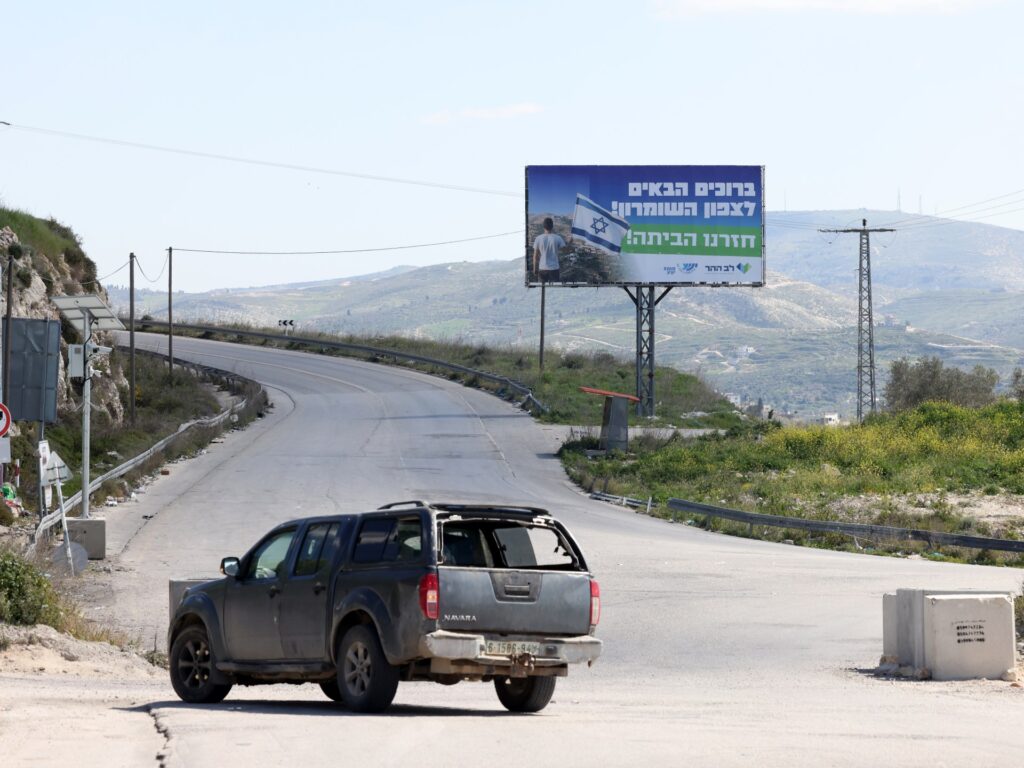
In a significant development, the Israeli government has approved a plan to establish 13 new settlements in the occupied West Bank. This move has drawn immediate international attention and has been met with strong warnings from Palestinian officials. The plan to build these settlements, which are considered illegal under international law, is expected to further complicate the already tense and fragile situation in the region.
Palestinian leaders have expressed severe concerns about the implications of the settlement expansion, emphasizing that it would further isolate East Jerusalem from the rest of Palestinian territories. They argue that this plan undermines the prospects for peace and a two-state solution, as it continues to fragment Palestinian land and erode the possibility of establishing a contiguous and viable Palestinian state.
The West Bank, a territory captured by Israel during the 1967 Six-Day War, has been a focal point of the Israeli-Palestinian conflict for decades. Israeli settlements in the area have been a subject of intense debate and conflict, with Palestinians and many international bodies viewing these settlements as obstacles to peace.
The approval of these 13 new settlements signals a continuation of Israel’s settlement policy, which many see as a strategy to solidify control over the West Bank and Jerusalem. The settlements vary in size and location, but collectively they represent a substantial increase in the Israeli presence in the occupied territories.
International reactions to the approval have been mixed but largely critical. Many countries and international organizations have reiterated their opposition to settlement activity, citing it as a violation of international law and a barrier to peace. The United Nations, the European Union, and the United States have all previously called on Israel to halt settlement expansions, urging a return to negotiations.
Palestinian officials warn that the new settlements will deepen the division between Palestinian communities and make it increasingly difficult to achieve a negotiated peace agreement. They stress that East Jerusalem’s isolation would jeopardize the city’s status and Palestinian claims to it as a future capital.
The Israeli government, on the other hand, maintains that settlement construction is a legitimate exercise of sovereignty and part of the country’s security and demographic strategy. Israeli officials argue that the settlements provide housing solutions and fulfill historical and religious claims to the land.
Analysts suggest that the settlement expansion could ignite further tensions and potentially violent confrontations between Israeli settlers and Palestinian residents. The move is expected to exacerbate mistrust and reduce the chances of meaningful dialogue between the two sides.
The question remains how this development will impact the broader regional dynamics and whether it will prompt renewed efforts towards a diplomatic resolution or lead to an escalation of conflict. The international community continues to monitor the situation closely, aware that stability in the West Bank and Jerusalem is crucial for peace in the Middle East.
As the plan moves forward, the focus turns to the response of Palestinian communities, Israeli settlers, and global actors. The coming weeks will likely see increased political activity, demonstrations, and diplomatic efforts aimed at addressing this contentious issue. The establishment of these 13 new settlements marks a critical moment in the ongoing Israeli-Palestinian conflict, with significant implications for the future of the region.