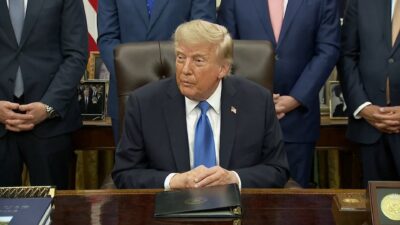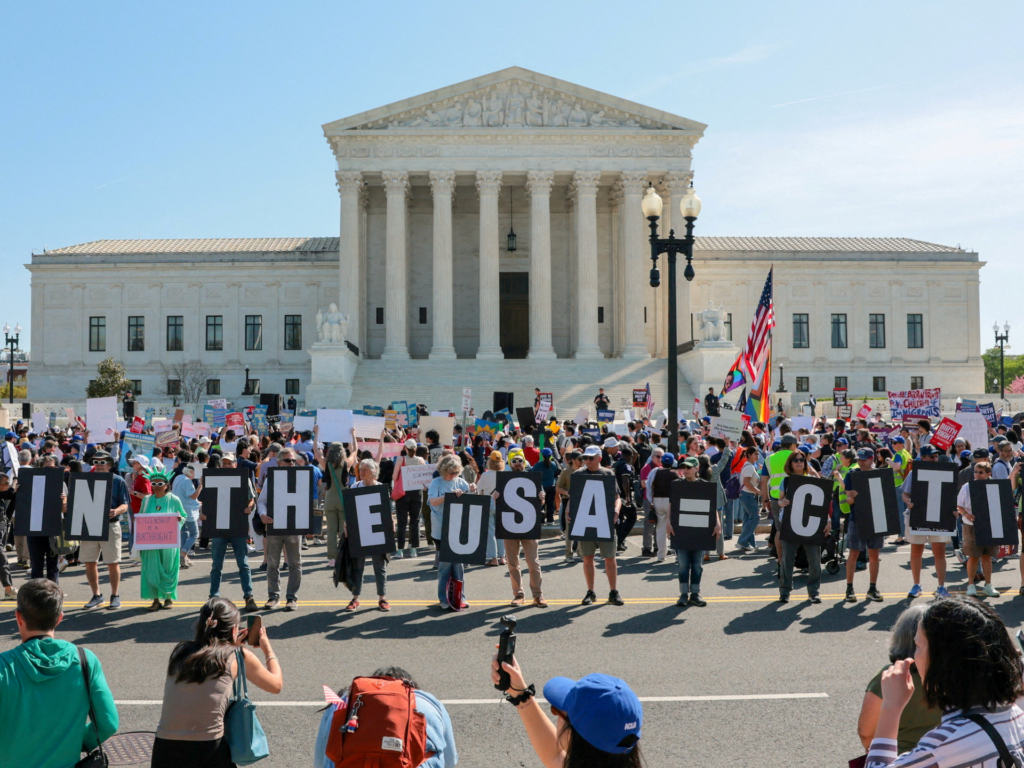
In a landmark decision, the United States Supreme Court has blocked President Donald Trump’s executive order aimed at ending birthright citizenship. This ruling upholds the long-standing interpretation of the 14th Amendment, which grants citizenship to anyone born on U.S. soil. President Trump had issued the executive order seeking to restrict this practice, arguing that it encouraged illegal immigration and was subject to misuse. However, the Supreme Court’s decision underscores the constitutional guarantee of citizenship by birthright, emphasizing that such a significant change cannot be enacted through an executive order but requires legislative action by Congress. The ruling was met with widespread reactions across the political spectrum, with supporters of birthright citizenship praising the court’s commitment to constitutional principles, while opponents expressed disappointment and vowed to continue their efforts through other legal and political channels. Legal experts noted that the decision reaffirms the judiciary’s role in upholding constitutional rights and acts as a check against executive overreach. The court highlighted that the 14th Amendment’s Citizenship Clause has been historically interpreted to provide unconditional birthright citizenship, regardless of the parents’ immigration status. This decision sets a significant precedent for future immigration policy debates and solidifies the interpretation of citizenship laws that have been in place for over a century. The ruling is expected to impact millions of families and children born in the United States and bring clarity during a time of heated political controversy on immigration issues. Overall, the Supreme Court’s ruling rejects executive attempts to limit birthright citizenship, mandating that any changes to this fundamental right must undergo the legislative process rather than unilateral presidential orders.