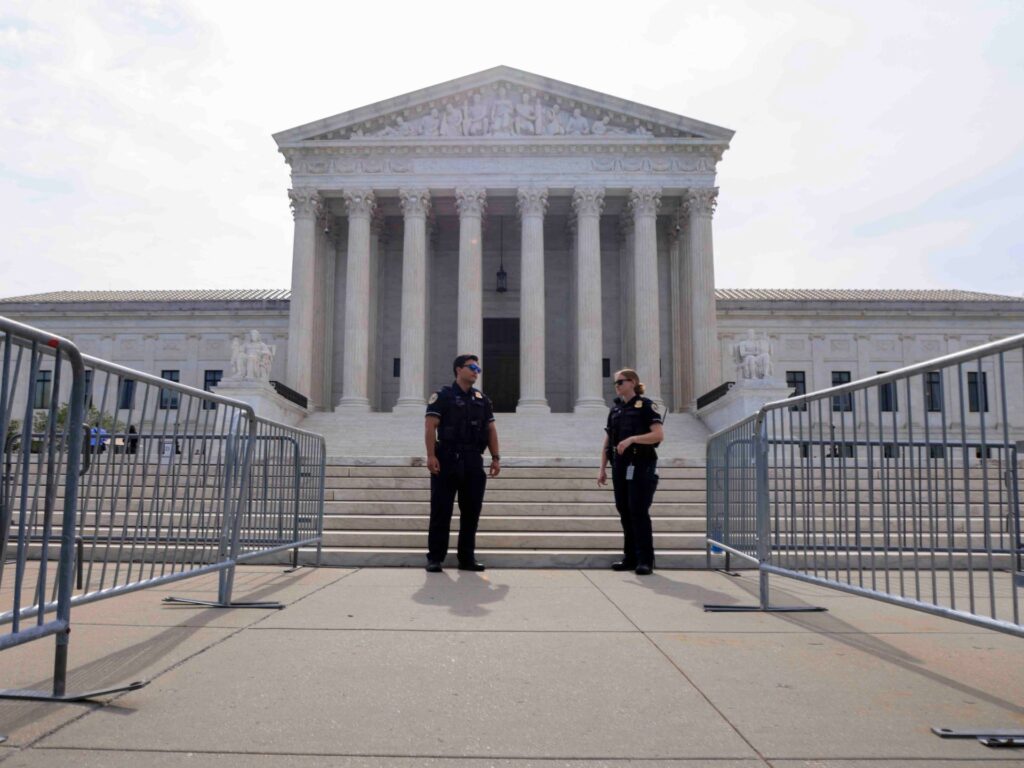
In a landmark decision, the US Supreme Court has ruled against former President Donald Trump’s executive order aimed at ending birthright citizenship. This legal move sought to interpret the 14th Amendment of the US Constitution in a way that would terminate the automatic granting of citizenship to anyone born on American soil, regardless of their parents’ immigration status.
The court’s decision reaffirms the long-standing interpretation that birthright citizenship is enshrined in the Constitution, providing citizenship to all children born in the United States. This ruling comes after heated debates and numerous legal challenges surrounding immigration policy during and after Trump’s administration.
Judges expressed concern that ending birthright citizenship could undermine the fundamental rights of many individuals and families, creating a class of stateless persons and complicating legal and social systems. The case drew significant public attention as it touched upon issues of immigration, civil rights, and constitutional law.
Supporters of former President Trump argued that ending birthright citizenship was necessary to curb illegal immigration and reduce incentives for what they called ‘birth tourism,’ where foreign nationals travel to the US to give birth and secure citizenship for their children. Opponents countered that the 14th Amendment clearly grants citizenship at birth and that such an executive order was unconstitutional.
The Supreme Court’s ruling essentially blocks any attempt to change this policy by executive order alone, signaling that any alteration to birthright citizenship would require legislative action by Congress. This decision is expected to have significant implications for immigration policy and the legal landscape surrounding citizenship rights in the US.
Legal experts note that this ruling upholds a critical element of American constitutional law that ensures equality and protection under the law for those born in the country. It also marks a significant judicial check on executive power regarding immigration matters.
The reaction among immigrant advocacy groups has been overwhelmingly positive, viewing this as a victory for immigrant communities and a reinforcement of civil rights protections.
As this story develops, it continues to spotlight the complexities and high stakes involved in debates over immigration reform and constitutional rights in the United States.