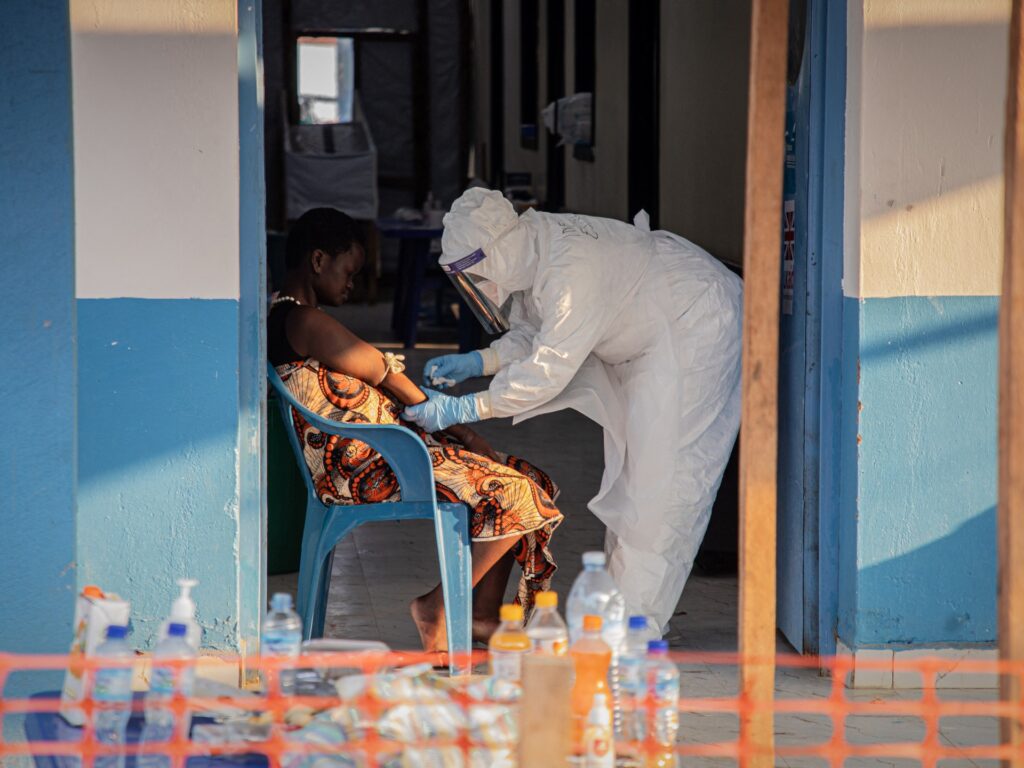
The United Nations has issued a stark warning regarding the ongoing Ebola outbreak in the Democratic Republic of Congo (DRC), highlighting the potential economic and social repercussions for the African continent. Since May, the latest Ebola epidemic has infected 1,307 people and tragically claimed 377 lives, a toll that continues to rise and spark widespread concern across health and economic sectors.
According to UN estimates, the outbreak could result in economic losses of up to $3.6 billion for Africa, a figure that underscores the grave impact infectious diseases can have beyond public health. The financial strain is expected to come from disruptions in key sectors including commerce, agriculture, and transportation, all of which are heavily reliant on workforce stability and consumer activity.
Moreover, the outbreak is poised to have significant social consequences, particularly in the labor market. The UN warns that thousands of jobs could be jeopardized as businesses face operational halts and reduced productivity due to quarantine measures, illness, and general economic slowdown. This potential loss of employment further burdens families and communities already grappling with the direct toll of the virus.
Health experts emphasize that the spread of Ebola has been facilitated by a combination of factors including limited healthcare infrastructure, delayed outbreak detection, and public movement across borders, complicating containment efforts. The virus’s high fatality rate amplifies the urgency of international support and coordinated response initiatives to curb transmission.
Efforts to control the outbreak have included vaccination campaigns targeting high-risk groups, enhanced surveillance, and community engagement programs aimed at promoting awareness and preventive behaviors. However, logistical challenges, including remote geography and security concerns in affected regions, hinder comprehensive coverage.
The UN’s warning serves as a critical call for intensified investment in health systems across African nations to enable rapid response capabilities and strengthen resilience against future outbreaks. Additionally, support for economic recovery and job protection measures will be crucial in mitigating the broader impact of such health crises.
In conclusion, the Ebola outbreak in the DRC is not only a public health emergency but also a significant economic threat that could cost Africa billions and displace thousands of workers. Coordinated international action, sustained funding, and strong community participation are imperative to overcome this threat and safeguard the continent’s future well-being and stability.