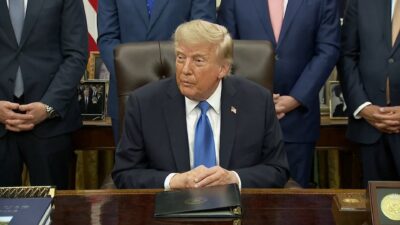
In a landmark decision, the United States Supreme Court has blocked President Donald Trump’s executive order aimed at ending birthright citizenship in the country. This executive order sought to change the long-standing interpretation of the 14th Amendment to the US Constitution, which grants citizenship to any person born on American soil regardless of their parents’ nationality.
The 14th Amendment, ratified in 1868, has been a cornerstone of American citizenship law, ensuring that anyone born in the United States is automatically a citizen. President Trump’s attempt to curtail this right was met with widespread debate and legal challenges shortly after the order was signed.
The Supreme Court’s decision was seen as a reaffirmation of constitutional principles and a significant setback for the Trump administration’s immigration policy. Legal experts highlight that altering birthright citizenship through an executive order was unprecedented, as such changes typically require legislative action by Congress.
Opponents of the executive order argued that it would create a two-tier system of citizenship and leave many children born in the US stateless if their parents are undocumented immigrants. They emphasized the importance of the 14th Amendment in protecting civil rights and fostering inclusion.
The ruling underscores the judiciary’s role in checking executive power, particularly on highly controversial issues like immigration and citizenship. It also reflects the enduring importance of birthright citizenship in the US’s legal and social framework.
President Trump’s administration expressed disappointment with the ruling, indicating that they might explore other avenues to restrict immigration. However, advocates for immigrants and civil rights hailed the decision as a victory for equality and justice.
The debate around birthright citizenship continues to be a divisive topic in American politics. While some argue that limiting citizenship could help curb illegal immigration, others maintain that it contradicts the values enshrined in the Constitution.
This Supreme Court decision sets a clear precedent that birthright citizenship remains protected under the Constitution, at least for the foreseeable future. It serves as a reminder of the balance of powers in the US government and the importance of constitutional safeguards.
As the nation reacts to this ruling, it is evident that immigration reform and related policies will continue to be a focal point in political discussions and legislative agendas. The ruling may also influence upcoming elections and political strategies from both sides of the aisle.
Scholars, politicians, and activists will undoubtedly analyze the implications of this ruling on future immigration policies and on the broader conversation about what it means to be American. The Supreme Court has, for now, preserved the traditional understanding of citizenship rights in the United States.