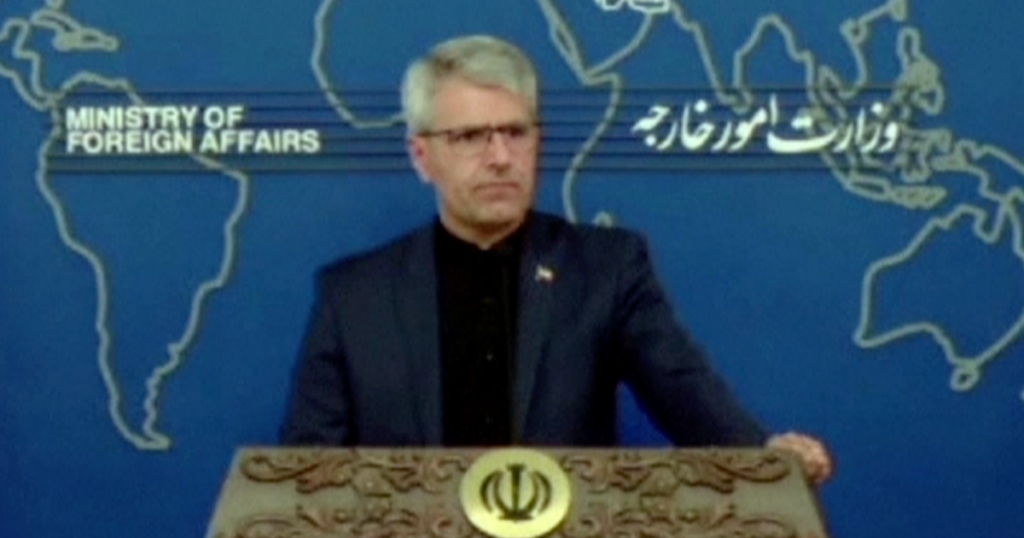
Iran has announced plans to engage in indirect talks with Qatar, which is acting as a mediator, to discuss the implementation of a Memorandum of Understanding (MoU) deal with the United States. These discussions are part of ongoing diplomatic efforts to address key issues between Iran and the US, including the release of frozen assets.
The MoU deal, aimed at easing tensions between the two countries, has been in a delicate phase where discussions on facilitation and enforcement mechanisms are critical. Iran’s decision to involve Qatar, a regional player known for its neutral and effective mediation, highlights the strategic importance of these talks.
Frozen assets, which have been a major point of contention, relate to billions of dollars held abroad under sanctions imposed on Iran. The talks are expected to focus on practical steps for unfreezing these assets, which Iran argues are essential for its economy and welfare.
Qatar’s involvement serves as a diplomatic bridge, helping to navigate the complex web of geopolitical interests tied to the Iran-US relationship. Previous attempts at direct negotiation have faced setbacks due to mutual distrust and differing demands. Indirect talks may offer a more flexible approach to break these deadlocks.
The discussions also reflect wider regional and international implications. Stability in the Gulf region, energy markets, and global security dynamics are all connected to the outcomes of Iran-US relations. Mediation efforts thus carry significance beyond the immediate actors.
Iran’s Foreign Ministry has officially confirmed the talks, signaling a willingness to engage diplomatically despite ongoing tensions. Officials in Tehran have expressed cautious optimism about the process, emphasizing that progress hinges on mutual respect and concrete commitments.
From the US perspective, managing sanctions and conditional engagement remain central. Washington continues to monitor Iran’s compliance with various agreements, seeking assurances that would justify relaxing economic restrictions.
Observers note that the path ahead is challenging but necessary. Effective dialogue, supported by mediators like Qatar, can pave the way for resolution on critical issues, including humanitarian considerations linked to the frozen assets.
In summary, the upcoming indirect talks between Iran and Qatar are a significant step toward implementing the MoU deal with the US, focusing particularly on the sensitive matter of frozen assets. The success of these negotiations may set a precedent for future diplomatic engagements and contribute to easing longstanding tensions in the region.