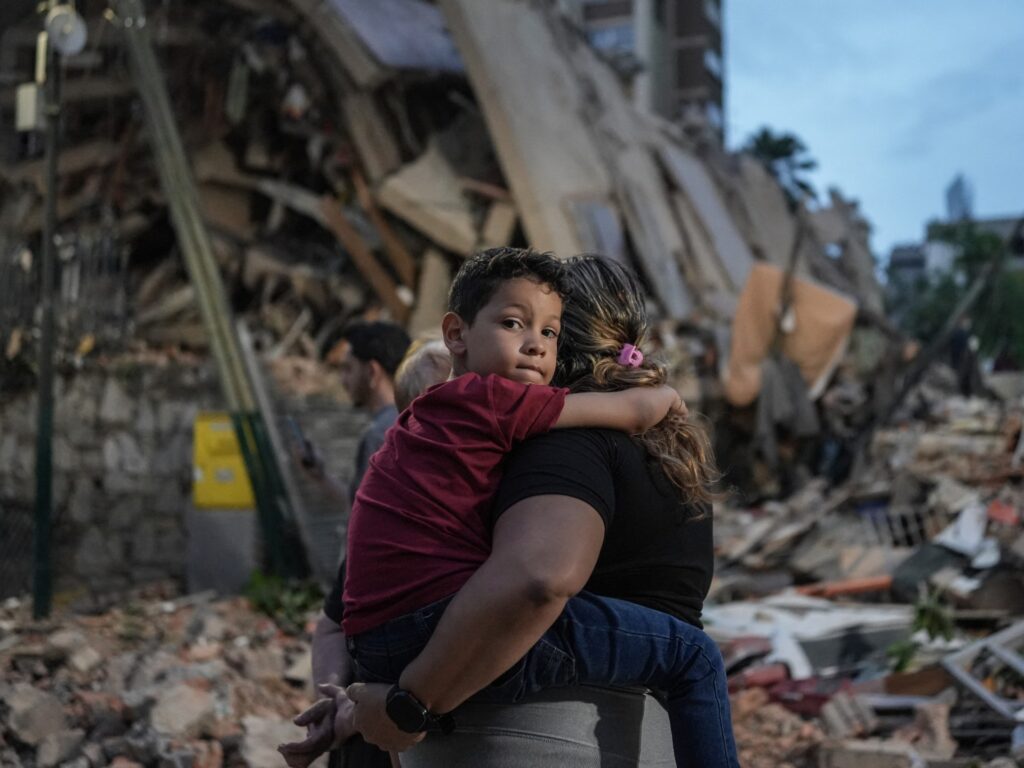
Venezuela has recently faced devastating earthquakes that have left many communities in urgent need of humanitarian aid. However, efforts to deliver assistance are encountering significant challenges, notably due to existing financial sanctions. These sanctions, which are primarily aimed at curbing political activities and limiting economic transactions with the Venezuelan government, have inadvertently restricted the flow of critical aid supplies and financial resources necessary for recovery operations.
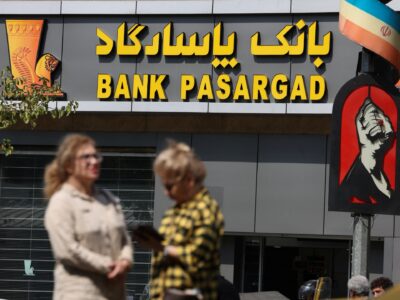
Financial sanctions often lead to complications in transferring funds through international banking systems, causing delays or outright refusals by institutions fearful of violating regulations. This creates a bottleneck for organizations trying to import medicines, food, and other essential goods as well as paying local workers and contractors who are crucial for rebuilding infrastructure. The ripple effects extend further, as companies and donors hesitate to engage in Venezuela without clear guarantees that their funds won’t be frozen or penalized.
Beyond the logistical and financial barriers, political considerations play a significant role in shaping the response to the disaster. Various international players have vested interests in Venezuela’s political landscape, which can influence decisions on aid delivery. Some governments and groups fear that aid might strengthen certain factions or be diverted for political purposes, complicating cooperation and transparency.
Despite these challenges, humanitarian organizations emphasize the urgency of separating political disputes from humanitarian needs. Neutral and impartial aid is critical to saving lives and facilitating the country’s recovery. Many agencies advocate for targeted easing of sanctions specifically for humanitarian purposes, allowing smoother and quicker delivery of aid materials and funds.
There are ongoing calls for the international community to revisit and adjust sanction policies in light of the natural disaster, balancing sanctions enforcement with humanitarian imperatives. This includes implementing clear exemptions and streamlined procedures to expedite humanitarian efforts amidst the earthquake aftermath.
As Venezuela grapples with the destruction and the needs of affected populations grow, unimpeded humanitarian access is vital. Ensuring that sanctions do not hinder lifesaving aid requires dedicated cooperation among governments, financial institutions, aid organizations, and local authorities. The goal remains a timely, efficient, and politically neutral aid response that prioritizes the wellbeing of Venezuelan citizens in their time of crisis.