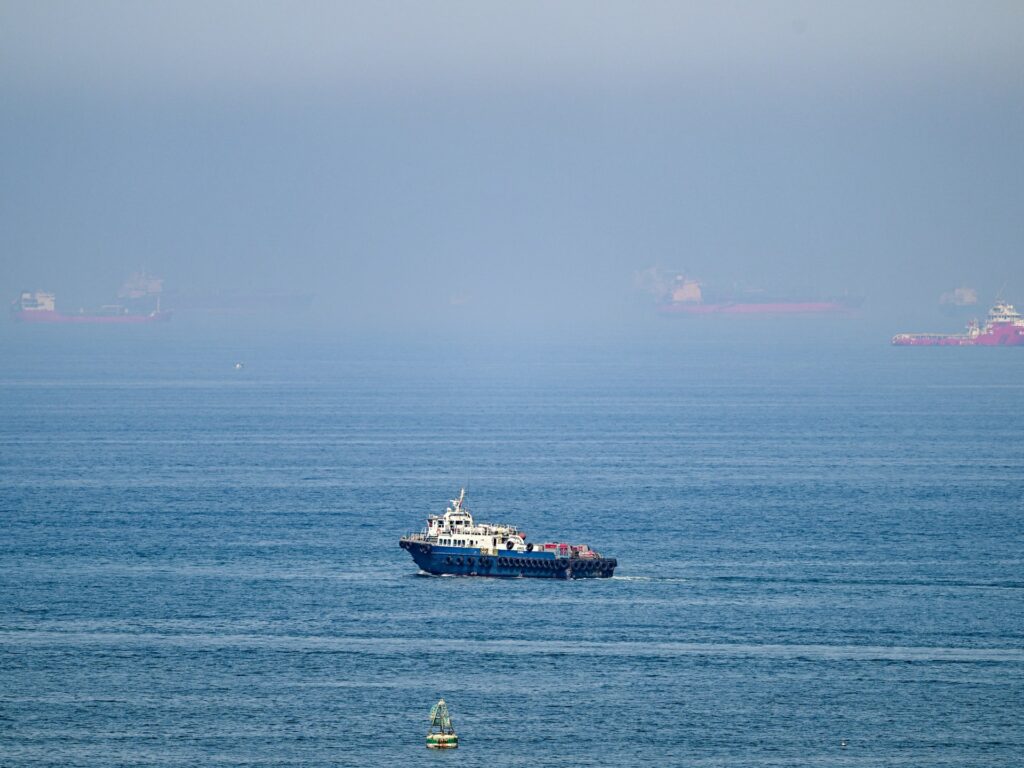
The Islamic Revolutionary Guard Corps (IRGC) has issued a stern warning against the establishment of a new maritime route bypassing the Strait of Hormuz, a vital international shipping lane. This development adds complexity to ongoing discussions and tensions surrounding shipping routes and transit fees in the strategically important region.
The Strait of Hormuz acts as one of the world’s most critical chokepoints for maritime oil transit, with a significant percentage of global oil shipments passing through this narrow waterway. Any changes to this established passage could have wide-reaching implications for international trade, security, and geopolitical stability.
The IRGC’s warning comes amid growing geopolitical frictions and competing interests in the Persian Gulf, underlining the military group’s intent to maintain stringent control over regional waters. Tehran has previously expressed concerns about foreign naval presence and initiatives that might undermine its influence over Hormuz.
Experts analyzing the situation highlight that differing national agendas around shipping routes and the associated transit fees could hinder efforts to reach a permanent and cooperative agreement. Transit fees, which countries or controlling entities may impose on vessels passing through these maritime corridors, have become a contentious issue, with debates over fairness, sovereignty, and economic advantage.
There have been proposals to create alternative shipping passages to reduce dependency on the Strait of Hormuz, often framed as efforts to increase security and ensure uninterrupted trade flows. However, these suggestions have been met with suspicion and resistance, especially from Iran, which views such moves as threats to its regional dominance and security interests.
The dispute over the control and regulation of shipping routes in this area reflects broader regional power struggles among Gulf states, as well as global powers invested in stable and secure energy supplies. The complexity of these negotiations is increased by the strategic military, economic, and diplomatic stakes at play.
International stakeholders, including major oil-importing countries and global trade organizations, are closely monitoring the situation. They emphasize the need for a diplomatic resolution that respects the sovereignty of the nations involved while ensuring freedom of navigation in accordance with international law.
In conclusion, the IRGC’s warning against a new Hormuz route highlights the ongoing tensions and complexity surrounding maritime route management in the Persian Gulf. The disagreements over shipping routes and transit fees are likely to complicate diplomatic efforts and require careful negotiation to safeguard both regional stability and global trade interests.