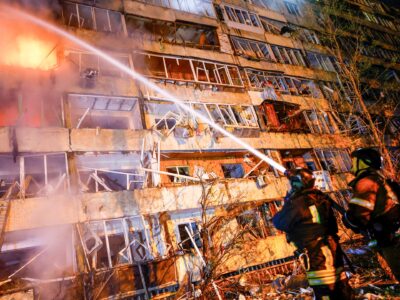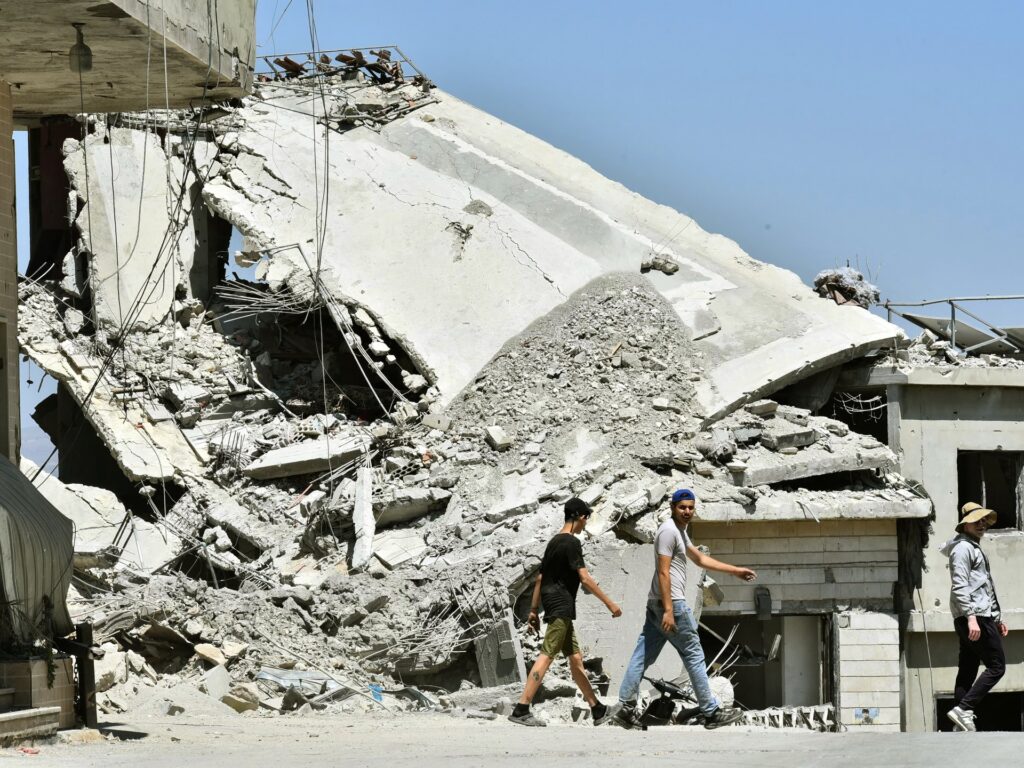
In a tragic development, three individuals have been killed in Lebanon following an Israeli attack on a car in Nabatieh, as reported by Lebanon’s state-run National News Agency. The incident marks a significant escalation in tensions between Israel and Lebanon, a region historically fraught with conflict and instability.
The attack took place amidst ongoing diplomatic efforts in Washington, where U.S. Senator Marco Rubio has been vocal in praising progress in talks aimed at addressing broader geopolitical issues in the Middle East. Rubio’s comments highlight a complex backdrop of diplomatic negotiations occurring simultaneously with violent incidents on the ground.
Nabatieh, located in southern Lebanon, has frequently been a flashpoint for conflict due to its proximity to the Israeli border and its history of resistance activity. The latest strike has further strained relations, raising concerns about a potential increase in hostilities.
The Israeli military has not yet released an official statement regarding the attack, but such actions are often described by Israel as preemptive measures against threats from militant groups operating in southern Lebanon.
The deaths of the three individuals have drawn international attention and condemnation from multiple parties advocating for restraint and a peaceful resolution to the conflict.
Senator Rubio, while acknowledging the violence, underscored the importance of continued diplomatic engagement, emphasizing that progress in negotiations could lead to a more stable and secure Middle East.
These events underscore the fragile nature of peace and diplomacy in the region, where violent incidents can quickly disrupt progress and inflame longstanding tensions. The situation remains volatile, with the potential for further escalations as political and military actors continue to navigate a complex and sensitive landscape.
Observers of the region are closely monitoring developments, urging all parties to avoid actions that could trigger a broader conflict. The international community continues to push for dialogue and negotiation as the primary path forward.
As talks in Washington proceed, the challenge remains to balance immediate security concerns with long-term diplomatic solutions to ensure the safety and stability of affected populations in Lebanon and across the region.