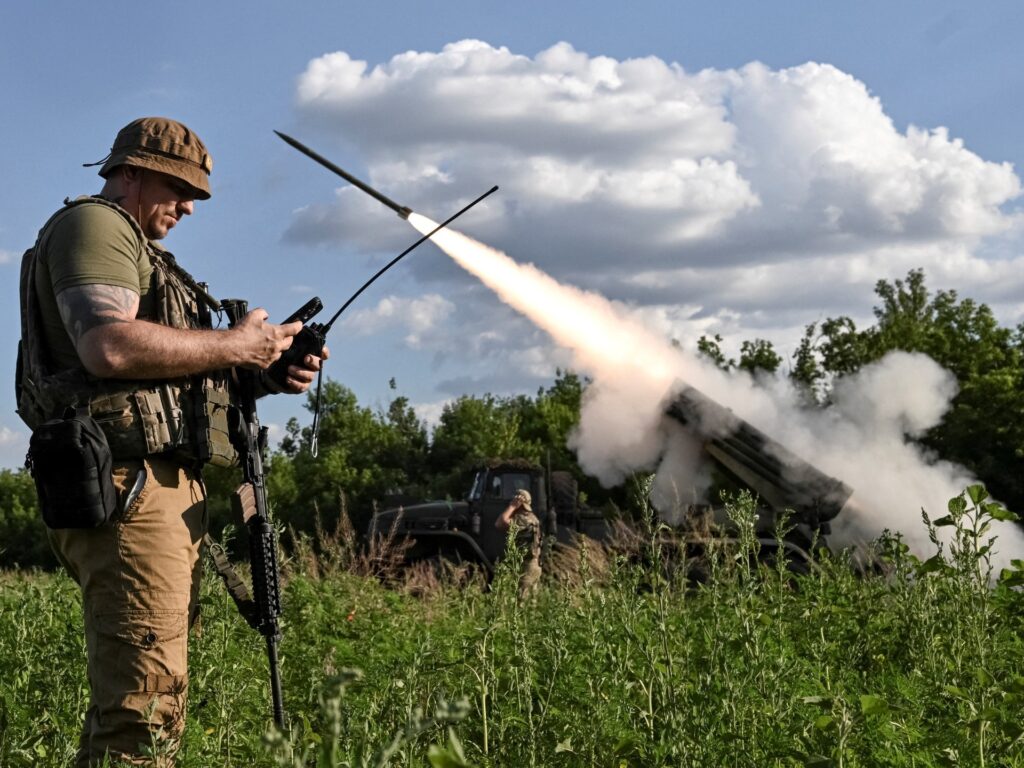
The ongoing conflict between Ukraine and Russia has taken a significant turn as Ukraine begins to seize its first tangible opportunities for victory, altering the dynamics of the protracted war. This shift not only has implications on the battlefield but increasingly resonates within Russian society, revealing deep cracks in President Vladimir Putin’s war efforts.
After months of intense fighting marked by heavy casualties and widespread destruction, Ukraine’s recent advances have emboldened its forces and supporters. These military gains signify a crucial psychological and strategic boost for Kyiv, suggesting that the protracted conflict may be tipping in favor of the Ukrainian state after a period of stalemate and attrition.
President Putin, who once projected unwavering resolve to continue the conflict, has now modestly hinted at the possibility of peace talks. This subtle shift in rhetoric contradicts earlier dismissals of negotiation and indicates growing pressures within the Kremlin as reality sets in. The suggestion of dialogue speaks volumes about Russia’s deteriorating position and the immense challenges it faces on multiple fronts.
Meanwhile, on the home front, the Russian economy is showing signs of severe strain. Key sectors are faltering under the weight of sanctions, supply chain disruptions, and the costs of sustaining the war effort. Economic hardships have led to rising inflation, unemployment, and a shrinking standard of living for many Russians. Businesses are faltering and foreign investments have plummeted, exacerbating the crisis.
Compounding these economic woes, a growing number of Russians are fleeing major cities, seeking safety or better prospects elsewhere. The flight of citizens reflects unease and disillusionment with the government’s handling of the conflict and its domestic repercussions. This internal displacement is a mirror of the turmoil experienced in war zones.
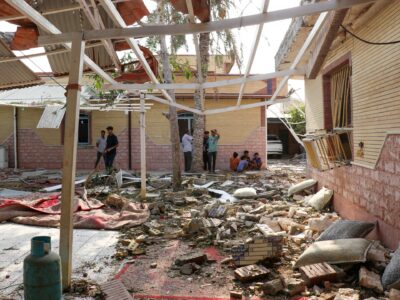
Perhaps most alarming is the emerging environmental catastrophe linked to the war. Reports have surfaced of toxic ‘oil rains’ falling in parts of Russia, caused by the destruction of industrial facilities and fuel depots linked to the conflict. These hazardous rains are poisoning soil and waterways, posing severe health risks to local populations and threatening agricultural productivity. The fallout from war has thus transcended combat zones and is actively harming ordinary Russians in their daily lives.
Human rights organizations and independent observers note a rising tide of war weariness and grief among the Russian populace. Stories of lost family members, injured soldiers returning home, and general public dissent are increasingly prevalent. The war’s horrors are being brought home, shattering previous narratives of national unity and support for the invasion.
Internationally, the Ukraine conflict remains a flashpoint of global diplomatic tension. Western nations continue to back Kyiv with military aid and economic assistance, while attempting to maintain a fragile balance to prevent wider escalation. Within Russia, Putin faces immense scrutiny and opposition both in public discourse and behind closed doors.
As Ukraine capitalizes on its newfound advantage, the consequences for Russia become more tangible and pressing. The prospect of peace talks, though tentative, offers a glimmer of hope for an end to hostilities. However, the path towards reconciliation and recovery is steep and fraught with challenges.
In sum, the Ukraine war’s latest developments demonstrate a critical pivot point. Ukraine’s potential victory is reshaping not only the military landscape but also the social and political fabric of Russia. The war’s horrors are no longer confined to distant battlefields but have come home with full force, impacting everyday Russians in profound and distressing ways. Understanding this evolving situation is essential for comprehending the broader implications of this conflict and the urgent need for a durable resolution.