In recent hours, Venezuela has been shaken by two powerful earthquakes that have left thousands in terror and fear for their lives. Survivors across the nation recount harrowing experiences amid collapsing buildings, widespread panic, and desperate attempts to find safety. The twin quakes, striking within a short interval, magnified the chaos as communities struggled to process the sudden devastation.
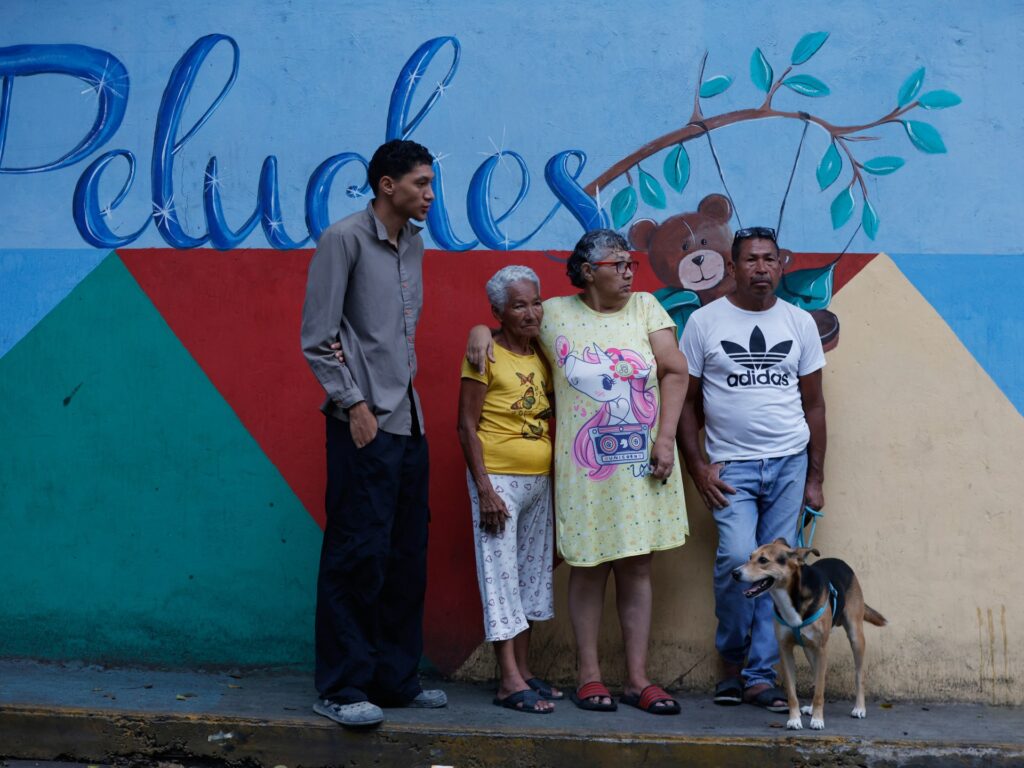
Eyewitnesses describe the terrifying moments when the ground began to tremble violently, forcing families to grab their loved ones and flee their homes. “We hugged each other and ran,” one survivor said, encapsulating the desperate urgency that marked the event.
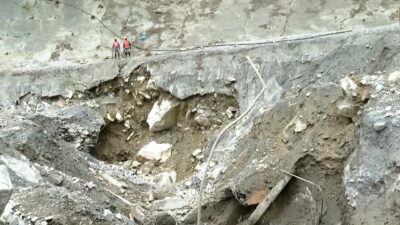
Buildings once symbols of safety crumbled under the seismic stress, turning once bustling neighborhoods into scenes of ruin. The already vulnerable infrastructure, affected by years of economic turmoil, faced unprecedented strain from the quakes. Collapse and damage were reported across multiple cities, with emergency responders overwhelmed by requests for aid.
Among the hardest-hit areas were densely populated urban centers where buildings are often older and less equipped to withstand such powerful shocks. Roads cracked open, debris blocked critical access routes, and power outages further complicated rescue efforts.
The Venezuelan government has declared a state of emergency and called for international assistance. Rescue teams and volunteers are working around the clock to find survivors trapped under rubble and to provide food, water, and medical care to the displaced.
Hospitals have reported a surge in patients with injuries ranging from minor cuts to critical trauma, with medical personnel operating under extreme pressure. Several casualties have been confirmed, though the final death toll remains uncertain as search and rescue operations continue.
Psychological trauma is also emerging as a significant challenge, as families struggle to recover from the sudden loss of homes, possessions, and loved ones. Mental health professionals urge the need for community support systems to address widespread shock and grief.
International organizations and neighboring countries have expressed solidarity, offering aid and resources to support Venezuela’s recovery. Humanitarian corridors are being established to ensure timely delivery of essential supplies.
Officials emphasize the importance of preparedness for future natural disasters, citing this tragic event as a crucial reminder of the need for improved building codes, emergency response planning, and public awareness efforts.
As Venezuela grapples with the aftermath, stories of resilience and compassion emerge alongside the pain. Communities band together, sharing shelter and resources, embodying the spirit of unity amid adversity.
The full extent of the damage will take time to assess, but the immediate priority remains clear: saving lives and restoring hope to countless Venezuelans affected by these formidable earthquakes.
This catastrophic event has shaken Venezuela to its core, leaving a lasting impact on its people and infrastructure. The road to recovery will be long, but with collective effort and international support, there is hope for rebuilding stronger and more resilient communities in the aftermath.