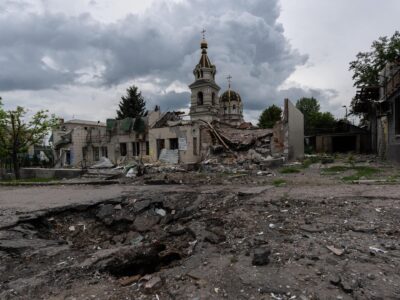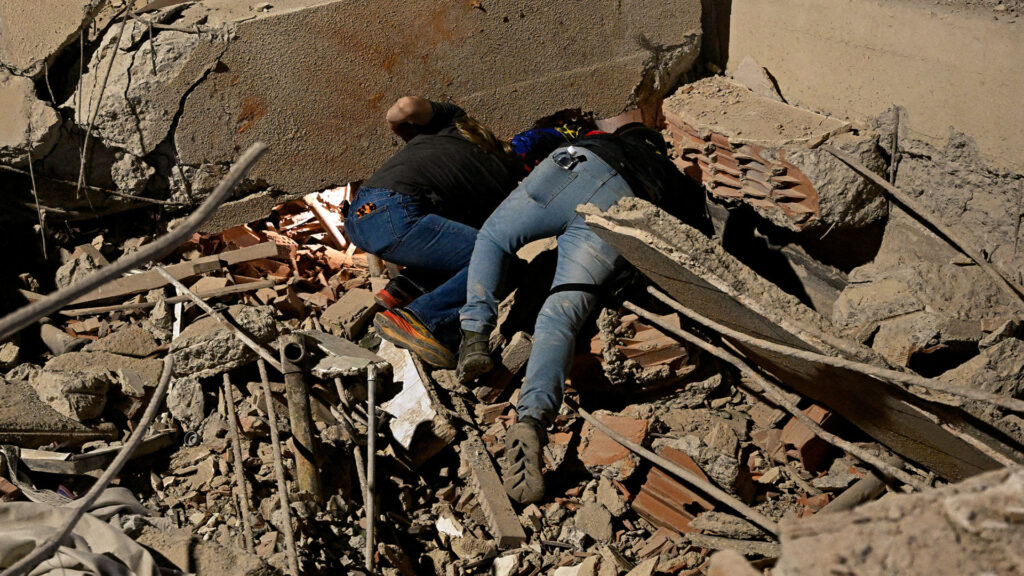
Venezuela is currently facing a severe crisis following two powerful earthquakes that struck the country, causing widespread destruction and leaving many people trapped under collapsed buildings. The tremors, which hit within a short interval, have led to the rapid mobilization of search-and-rescue teams across several affected regions.
The earthquakes caused significant damage to infrastructure, leveling residential and commercial buildings and leading to numerous casualties. Authorities estimate that hundreds remain trapped beneath the rubble, prompting an urgent and expansive rescue operation.
Emergency responders, including local fire departments, the military, and volunteer groups, have been working tirelessly around the clock to locate and extract survivors. Heavy machinery and sniffer dogs are being used to detect signs of life beneath the debris.
The government has declared a state of emergency in the affected areas and is coordinating with international aid organizations to provide medical assistance, food, water, and temporary shelter to those displaced by the disaster.
Medical teams are on high alert, treating the injured at makeshift field hospitals as hospitals in the region struggle to cope with the sudden influx of patients. Psychological support is also being offered to survivors and families traumatized by the events.
The seismic events have sparked fear and uncertainty among the population, with aftershocks continuing to pose a threat to damaged structures and ongoing rescue efforts. Authorities are cautioning residents to remain vigilant and adhere to safety guidelines.
Community members are showing solidarity, with volunteers joining rescue efforts and local businesses donating supplies. Social media platforms are actively used to disseminate information about safe zones, missing persons, and ways to contribute to relief efforts.
Experts have noted that Venezuela sits near several major fault lines, making it susceptible to earthquake activity. This recent disaster has highlighted the need for improved earthquake preparedness and infrastructure resilience to mitigate future risks.
President and government officials have expressed condolences to the victims’ families and reaffirmed their commitment to recovery and rebuilding efforts. National and international governments are pledging support to help Venezuela recover from the catastrophe.
As rescue operations continue, the focus remains on saving lives while beginning the process of assessing damage and making plans for the long-term rehabilitation of affected communities.
This calamity underscores the importance of emergency preparedness, infrastructure safety standards, and community readiness in earthquake-prone regions to reduce the toll of such natural disasters in the future.