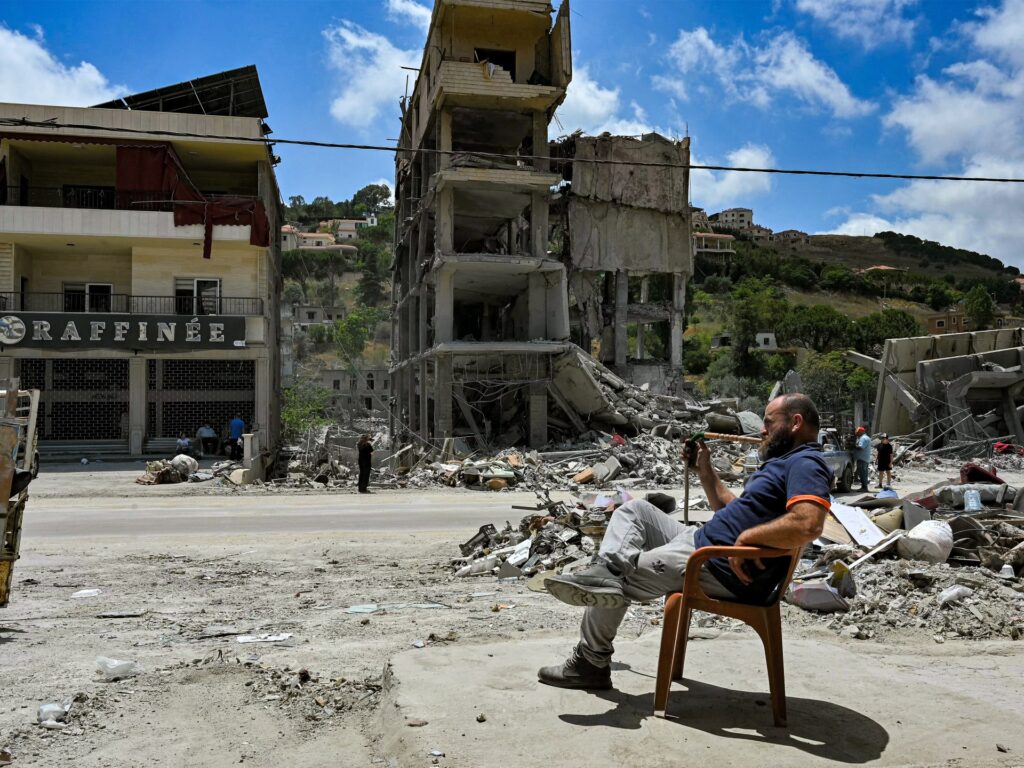
In a tense escalation in southern Lebanon, Israeli attacks have resulted in the deaths of two individuals, underscoring ongoing hostilities despite ongoing diplomatic efforts. The violence erupted even as talks are underway in Washington, aiming to ease tensions in the region.
The Israeli defense minister has declared a firm stance against withdrawing troops from southern Lebanon, indicating that while attacks may be slowing, they have not ceased entirely. This declaration comes days after the latest incidents, which have heightened security concerns and drawn international attention.
Southern Lebanon has long been a flashpoint for conflict between Israel and various Lebanese factions. The recent attacks mark a continuation of the cycle of violence that has plagued the area, complicating peace initiatives currently being discussed at the international level.
Washington’s diplomatic efforts appear to be focused on mediating between the involved parties to halt the bloodshed and establish a framework for lasting peace. However, the persistence of attacks emphasizes the fragility of the situation.
The Israeli defense minister’s refusal to withdraw troops reflects a strategic approach aimed at maintaining pressure and ensuring security, but it also risks perpetuating the conflict. The situation remains volatile, with local and international observers closely monitoring developments.
Lebanese officials have condemned the attacks, calling for an immediate end to hostilities and for all parties to engage constructively in dialogue. The deaths have sparked protests and calls for stronger international intervention to prevent further loss of life.
The broader geopolitical dynamics of the region add complexity to the conflict. The involvement of various state and non-state actors means that unilateral actions by Israel or Lebanese groups can have wide-reaching consequences.
Efforts by Washington to broker peace involve balancing these interests and attempting to foster mutual trust, which remains elusive. The attacks in southern Lebanon serve as a stark reminder of the challenges faced in achieving stability.
Humanitarian concerns are mounting as the conflict disrupts civilian life and strains resources. Aid organizations are urging for safe passages and cessation of violence to allow for necessary humanitarian assistance.
As talks continue, it is uncertain whether momentum can be gained towards de-escalation and peace or whether the cycle of violence will persist, further destabilizing southern Lebanon and the broader region. The international community watches closely, hoping for a peaceful resolution to this enduring conflict.