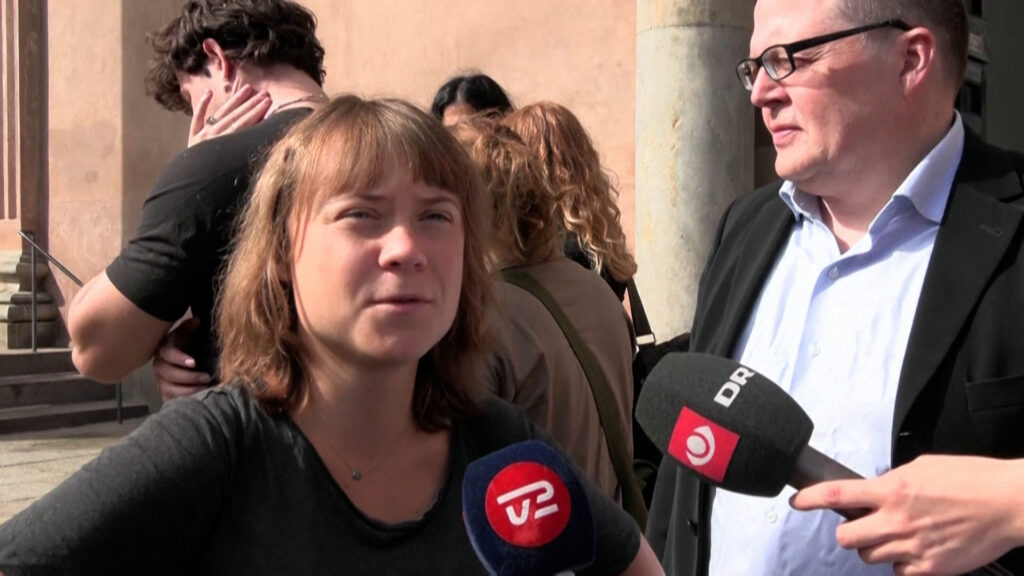
Environmental activist Greta Thunberg has pleaded not guilty to charges of trespassing connected to a pro-Palestine protest held in 2024. The protest, which drew significant attention due to its political and social implications, involved activists advocating for Palestinian rights. Thunberg, known globally for her climate activism, participated in the demonstration, which resulted in legal actions against several protesters, including her.
The trespassing charges arise from the activists’ presence at a private or restricted location during the protest. Authorities claim that the demonstrators did not have permission to occupy the space, leading to legal repercussions. Thunberg’s defense argues that the protest was a peaceful exercise of free speech and assembly, essential rights protected under democratic principles.
Supporters of Thunberg and the pro-Palestine cause have rallied behind her, emphasizing the importance of peaceful protest and the right to voice dissent. They argue that such actions are necessary to highlight humanitarian issues and influence governmental policies. Critics, however, stress the importance of respecting property laws and maintaining public order during demonstrations.
The case has sparked widespread debate about the limits of protest activities, especially when intersecting with contentious geopolitical issues. It underscores the ongoing tensions between activists pushing for immediate social and political change and legal frameworks that regulate public demonstrations.
Legal experts suggest that the outcome of Thunberg’s case could have broader implications for future protests involving civil disobedience. It may set precedents on how authorities handle similar incidents and the extent to which activists can be held accountable for trespassing during political protests.
As the legal proceedings unfold, Greta Thunberg remains a prominent figure in global activism, now highlighting not only climate issues but also international conflicts and human rights through her involvement in this case. The trial will be closely watched by activists, legal analysts, and the public, illustrating the complex intersection of activism, law, and political protest in contemporary society.