As Iran stands at a critical juncture in its ongoing negotiations with the United States, the Iranian public exhibits a cautious sense of optimism mixed with apprehension. The months ahead are expected to be filled with challenging dialogues, shaped by intricate political dynamics both within and outside Iran.
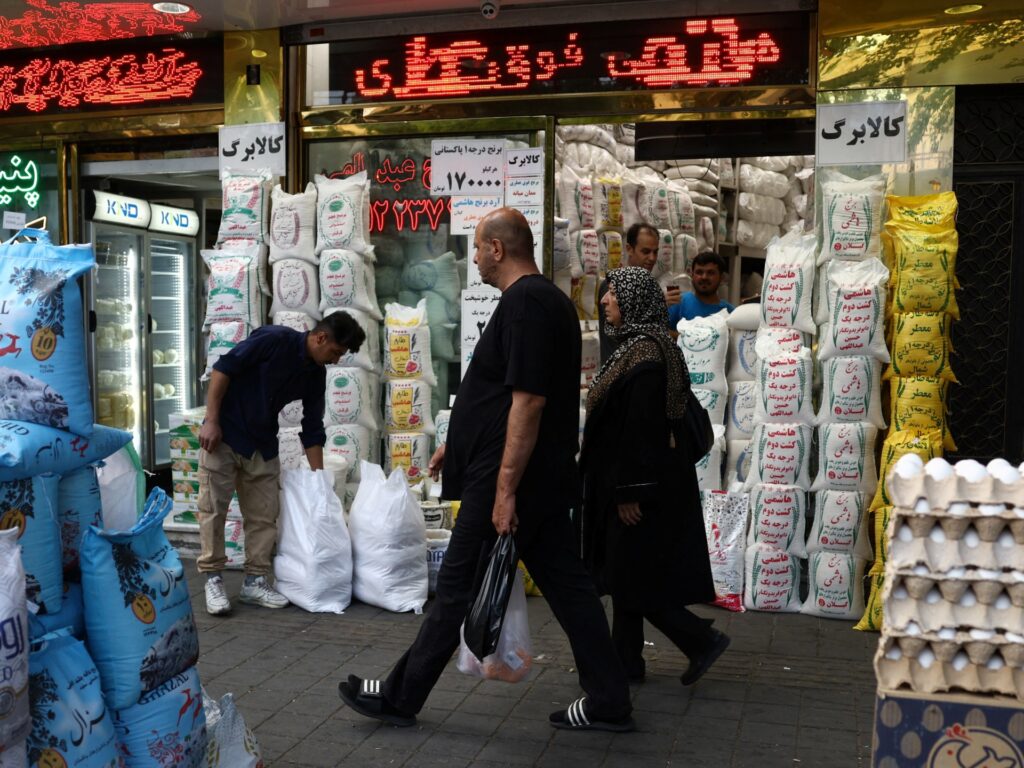
The negotiations pertain to a multifaceted agreement that seeks to address long-standing issues between the two nations. For many Iranians, this deal represents a potential pathway to easing economic sanctions and improving international relations, which have been sources of significant hardship.
However, the internal political landscape in Iran presents substantial obstacles. Factions within the government hold differing views on how to approach the talks, leading to a delicate balance of power and strategy. Reformist groups tend to support engagement and rapprochement with the US, hoping for economic relief and greater global integration. Conversely, hardliners remain skeptical, wary of the intentions behind the negotiations and concerned about possible compromises on national sovereignty.
The population is observing these developments with a blend of hope and caution. Many Iranians desire a resolution that will improve their economic conditions without compromising the country’s autonomy. There is a recognition that any agreement will require concessions and a careful navigation of complex geopolitical realities.
Experts highlight that the path to a successful deal is fraught with potential setbacks. The complexity of economic sanctions, nuclear issues, and regional security concerns make the negotiations delicate. Both Tehran and Washington need to engage in sustained dialogue, managing domestic political pressures while fostering mutual trust.
Public opinion in Iran reflects this nuance. While many citizens express tentative optimism about breaking the deadlock, there remains skepticism about whether the US will honor any commitments or whether the deal will translate into tangible benefits.
Analysts suggest that the outcome of these negotiations will significantly impact Iran’s geopolitical standing and economic future. A successful agreement could mark a new chapter in US-Iran relations, possibly leading to regional stability and economic recovery.
In summary, as months of complex talks loom, Iranians are watching closely. The interplay of internal political disputes and the high stakes of international diplomacy create a charged atmosphere of cautious optimism. The nation’s future hangs in the balance as both hope for a breakthrough while preparing for the difficulties ahead.