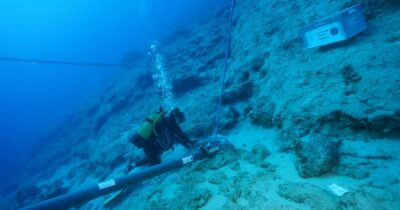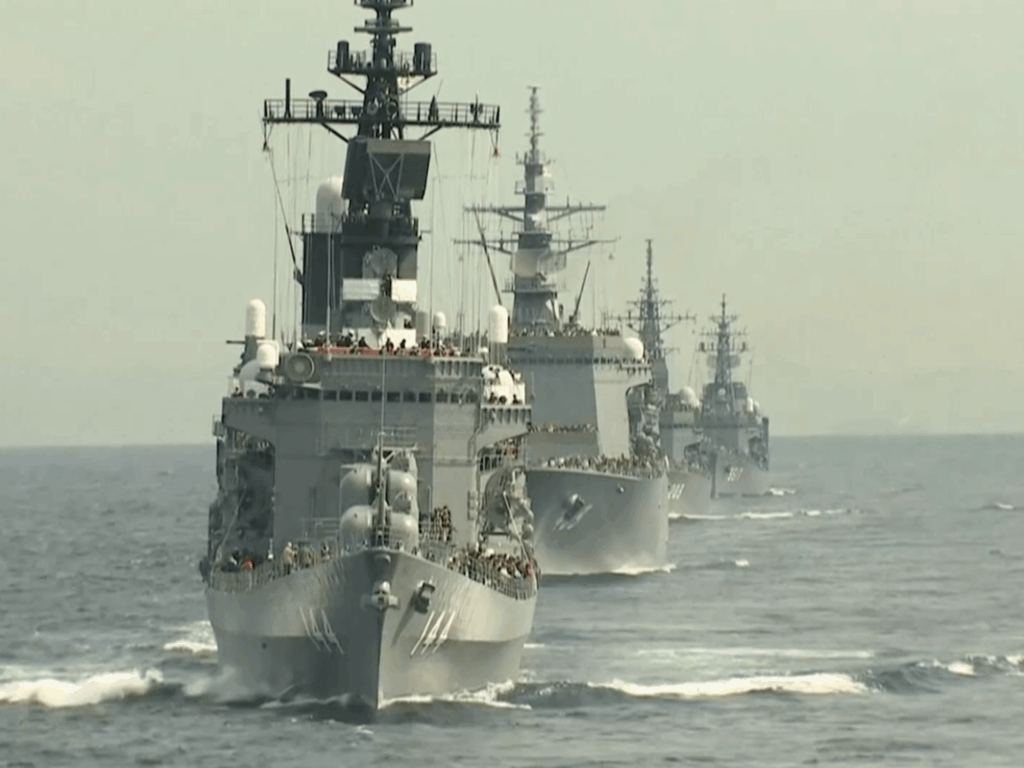
In the aftermath of the recent ceasefire agreement between the United States and Iran, Japan is actively contemplating the deployment of its naval forces to the strategically critical Strait of Hormuz. This move aims to assist in the clearing of naval mines that have posed significant threat to international shipping and regional security.
The Strait of Hormuz, a narrow passage connecting the Persian Gulf with the Gulf of Oman and the Arabian Sea, is one of the world’s most vital maritime chokepoints. It facilitates approximately one-fifth of the world’s petroleum shipments, making the safety and security of its waters paramount not only to the countries in the region but also to the global economy.
Recent tensions in the region have escalated concerns about the presence of naval mines and the risk they pose to commercial and military vessels transiting this crucial waterway. The US-Iran ceasefire has gradually opened the window for international cooperation aimed at stabilizing this volatile region.
Japan’s potential role in mine clearance operations represents a significant step toward contributing to regional peace and maritime security. The Japanese government is evaluating logistical and operational aspects of sending its naval personnel and specialized equipment to the area dedicated to detecting and neutralizing underwater mines.
Minesweeping is a highly specialized naval task. Japan’s Self-Defense Forces have prior experience in maritime mine countermeasures, which they have employed in various international exercises and humanitarian missions. Their participation would not only help in re-opening safe navigation channels but also symbolize Japan’s commitment to supporting international peacekeeping and security initiatives.
The international shipping industry has welcomed the prospect of Japan’s involvement, recognizing the importance of the Strait of Hormuz for energy supplies and global trade. Clearing mines is critical in restoring the confidence of shipping companies and ensuring the uninterrupted flow of goods.
Japan’s deliberation reflects growing concerns about the maritime security environment and the increasing role of middle powers in maintaining global stability. It also highlights the importance of multilateral efforts in addressing shared security challenges.
Regional players have expressed cautious optimism about the mission. Clear communication and coordination with countries bordering the Strait will be essential to the success and acceptance of this initiative.
As talks continue, Japan is poised to play a pivotal role in fostering a safer maritime environment and strengthening international collaboration for peace and stability in the Middle East. This move underscores Japan’s strategic interests and responsibility in contributing proactively to global security beyond its immediate geographic vicinity.