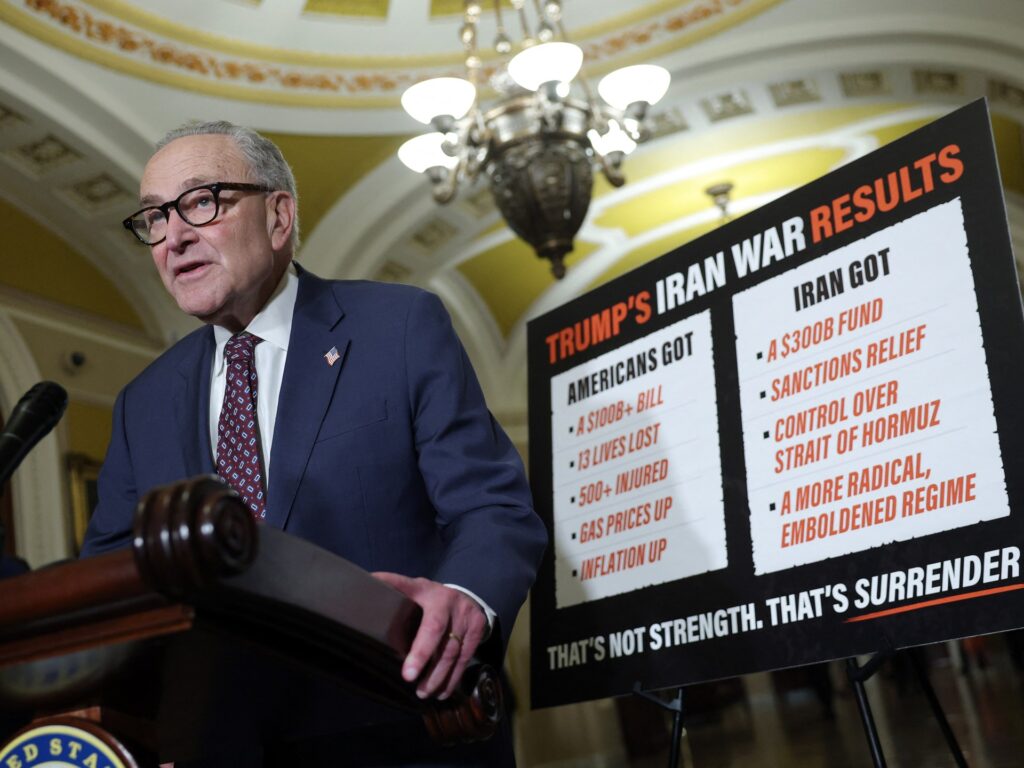
In a significant development, the US Senate has voted to pass the Iran war powers resolution, signaling a bipartisan effort to assert congressional authority over military actions in Iran. The resolution received support from four Senate Republicans who crossed party lines, underscoring the growing concern in Congress about the executive branch’s unilateral military engagements.
This resolution had already passed the House of Representatives earlier this month, demonstrating a united stance from both chambers of Congress. The vote in the Senate represents a crucial step in the legislative process, aimed at limiting the President’s ability to conduct prolonged military operations in Iran without congressional approval.
The passage of the resolution is considered a blow to the Trump administration, which had sought to maintain broader powers for the executive branch in matters of national security and military intervention. Critics argue that unchecked military action risks escalating conflicts in the Middle East and undermines the constitutional role of Congress in declaring war.
Supporters of the resolution emphasize the importance of restoring the balance of power by requiring the administration to seek Congress’s consent for further military actions related to Iran. This move reflects concerns over recent tensions and confrontations between the US and Iran, particularly following the killing of prominent Iranian military leader Qasem Soleimani in early 2020.
The resolution stands as a clear message from Congress that military engagement should be carefully considered with legislative oversight to prevent unchecked use of force. It also highlights the willingness of some Republicans to prioritize constitutional principles over party loyalty, reflecting broader debates within the US political landscape about the scope of presidential war powers.
As the resolution advances, it will likely face considerable debate in the House-Senate conference to reconcile any differences between the two versions passed earlier. If enacted, it could shape US foreign policy by imposing stronger checks on presidential authority and influencing future military decisions in the Middle East.
This action by the Senate demonstrates the complex interplay between the branches of the US government in matters of war and peace, reinforcing the constitutional principle that Congress holds the power to declare war. It marks a notable challenge to the Trump administration’s approach to foreign policy and military engagement, emphasizing a more cautious and measured stance toward international conflicts.
With bipartisan support growing, the Iran war powers resolution may serve as a precedent for future congressional efforts to reclaim authority in war-making decisions. Lawmakers across the political spectrum appear increasingly united in their commitment to oversight and accountability in US military operations abroad.
This resolution follows years of debate over the War Powers Resolution of 1973 and ongoing discussions about the limits of executive power in deploying US forces without explicit congressional sanction. The Senate’s vote is a reaffirmation of the legislative branch’s critical role in safeguarding democratic governance and preventing misuse of military force.
Ultimately, the Iran war powers resolution reflects a pivotal moment in US politics, where congressional assertiveness challenges presidential prerogatives and seeks to establish clearer rules for military engagement. It underscores the importance of checks and balances in the American system and signals a shift toward greater accountability in decisions about war and peace.