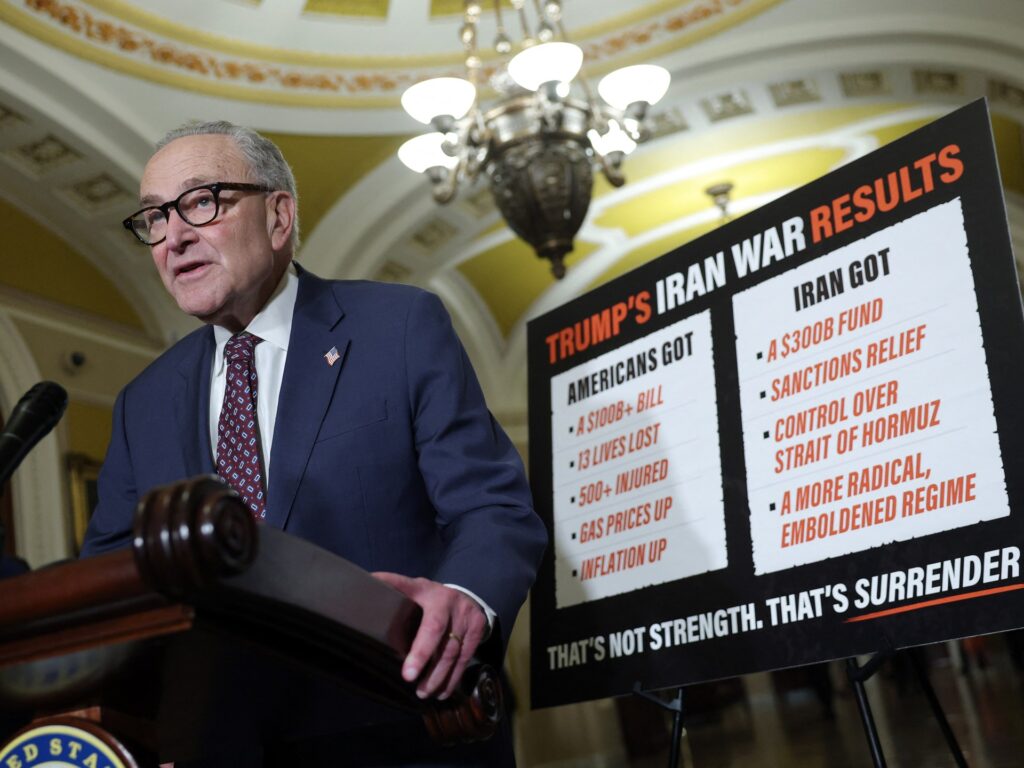
In a significant development, the US Senate has voted to pass the Iran war powers resolution, marking a direct challenge to President Donald Trump’s authority in military matters concerning Iran. This resolution, which has now secured approval from both the Senate and the House of Representatives, is a legislative effort aimed at restricting the president’s ability to engage US forces in hostilities against Iran without explicit Congressional consent.
The war powers resolution represents a rare instance of bipartisan cooperation in Congress, reflecting deep concerns among lawmakers about escalating tensions with Iran following a series of provocative incidents in the Middle East. Critics of the Trump administration argue that the president’s actions have brought the country too close to war without adequate oversight from the legislative branch, violating the constitutional balance of powers.
With the resolution passing through both chambers of Congress, it underscores an increasing assertiveness by legislators to reassert their war-declaring powers as outlined in the Constitution. Several senators voiced their apprehensions during the debate, emphasizing the importance of Congressional approval before committing US troops to conflict.
However, despite its passage, the resolution faces an uncertain future as President Trump has signaled his intention to veto the measure. The administration contends that limiting the president’s flexibility in responding to threats could endanger US national security and hinder its ability to act swiftly against adversaries.
The political ramifications of this resolution are substantial. It highlights the growing friction between the executive branch and Congress over foreign policy decision-making. Supporters of the resolution express hope that it will prevent rash military actions and promote a more cautious, deliberative approach to potential conflict.
Opponents, meanwhile, warn that it could tie the hands of commanders in the field and embolden Iran by projecting a perception of US hesitation.
This legislative move also comes at a time of heightened tensions in the Middle East, with recent incidents involving attacks on US forces and allies attributed to Iranian-backed groups. The US has responded with targeted strikes and sanctions, intensifying the stakes.
As the resolution heads towards a likely presidential veto, Congress may consider overriding the veto, which would require a two-thirds majority in both chambers—a challenging hurdle.
Observers note that this episode reflects broader questions about the scope of presidential war powers and Congressional oversight in an era of complex international threats.
Legal experts weigh in on the implications, suggesting that continued reliance on force without clear legislative backing could set precarious precedents.
Public opinion remains divided, with some citizens supporting stronger measures to check presidential authority, while others favor decisive executive action to deter Iran.
Looking ahead, the passage of the Iran war powers resolution represents a pivotal moment in US foreign policy, underscoring the ongoing tug-of-war between the branches of government over the conduct of war and peace.
Whether the resolution ultimately curtails presidential power or merely serves as a symbolic gesture will depend on upcoming political negotiations and potential judicial rulings.
In any case, the move signals Congress’s intent to play a more active role in decisions that could lead the nation into conflict, reinforcing the constitutional principle that the power to declare war rests with the legislative body.
As events unfold, stakeholders across the political spectrum will be watching closely, aware that the outcome could shape US policy and doctrine towards Iran for years to come.