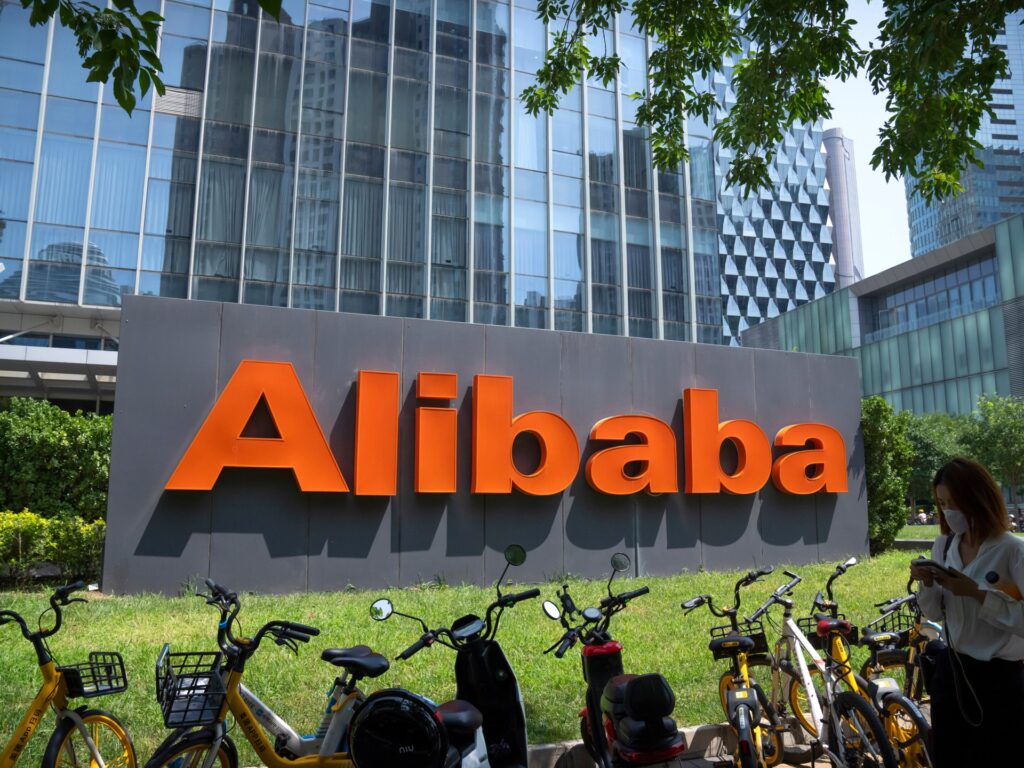
Alibaba Group, the leading Chinese e-commerce conglomerate, has initiated legal action against the United States Department of Defense for designating it as a ‘Chinese military company.’ This label, as asserted by Alibaba, is both baseless and legally unfounded.
The lawsuit highlights Alibaba’s strong opposition to the US military’s classification, which the company argues harms its global reputation and business interests. Alibaba insists that the claims linking it directly to the Chinese military are unfounded and amount to misinformation.
According to Alibaba, the designation has serious repercussions, potentially impacting the company’s international operations, investor confidence, and partnerships across various sectors. Alibaba’s representatives emphasized that the company’s business model, ownership, and corporate governance do not support any military affiliations.
The controversy stems from a US defense policy aimed at identifying companies allegedly influenced by or affiliated with the Chinese military, which has led to growing tensions between the two economic superpowers. Several Chinese firms have received similar labels, prompting legal challenges and diplomatic disputes.
Alibaba’s legal team argues that the Department of Defense’s action is arbitrary and lacks sufficient evidence. They further claim that the designation violates international trade norms and unfairly targets Chinese enterprises attempting to engage in global commerce.
The e-commerce giant seeks a court order to nullify the ‘Chinese military company’ label, demanding that the US government retract its claims and provide compensation for the damages incurred.
This lawsuit adds a new chapter to the complex and often strained economic relations between China and the United States, particularly in the technology and commerce sectors. The outcome could set important precedents for how multinational corporations are treated amid geopolitical rivalries.
Industry experts note that Alibaba’s move underscores the growing pushback from Chinese companies against US government measures that they view as politically motivated and harmful to international business fairness.
As the case progresses, both sides are expected to present extensive evidence and arguments regarding the validity and implications of the military affiliation claims. The lawsuit has captured global attention, reflecting broader concerns about transparency, security, and economic competition on the world stage.
This legal battle is not just about one company’s label but about the broader issues of trust, verification, and the role of governments in the regulation of international enterprises. Alibaba’s stance is clear: it seeks to protect its brand and prove its independence from military entanglements.
Observers will be closely monitoring the proceedings, as the decision could influence policies and corporate strategies beyond just the Alibaba case. The ruling might affect how companies operate in environments marked by geopolitical tension and government scrutiny.
Ultimately, Alibaba’s lawsuit shines a spotlight on the challenges faced by global corporations operating under intense international political pressures and the ongoing disputes between major powers that shape the global economic landscape.